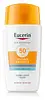
This chemical sunscreen covers the full UV range and blocks ~98% of UVB at SPF 50.
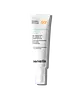
This chemical sunscreen covers the full UV range, though its SPF isn't confirmed on file yet.


What's inside
What's inside
 Key Ingredients
Benefits
Concerns
Ingredients Side-by-side
Water
Skin ConditioningAlcohol Denat.
Antimicrobial




C12-15 Alkyl Benzoate
AntimicrobialButyl Methoxydibenzoylmethane
UV Absorber
Bis-Ethylhexyloxyphenol Methoxyphenyl Triazine
UV Absorber
Ethylhexyl Triazone
UV Absorber
Butylene Glycol Dicaprylate/Dicaprate
EmollientDibutyl Adipate
EmollientDiethylamino Hydroxybenzoyl Hexyl Benzoate
UV Filter
Phenylbenzimidazole Sulfonic Acid
UV Absorber
Silica
Abrasive


Tapioca Starch
Polyglyceryl-6 Stearate
Emollient
Silica Dimethyl Silylate
EmollientGlycerin
Humectant


Glycyrrhiza Inflata Root Extract
Skin Conditioning
Sodium Hyaluronate
Humectant

Arginine Hcl
Skin ConditioningSodium PCA
Humectant
Sodium Lactate
Buffering
Glycyrrhetinic Acid
Skin Conditioning
Cetearyl Alcohol
Emollient



Glyceryl Stearate
Emollient
Copernicia Cerifera Cera
Emollient
Polyglyceryl-6 Behenate
Emulsion Stabilising
Xanthan Gum
EmulsifyingHydroxypropyl Methylcellulose
Emulsion StabilisingSodium Hydroxide
BufferingTrisodium EDTA
ChelatingHydroxyacetophenone
Antioxidant
Phenoxyethanol
Preservative
Parfum
Masking

Water, Alcohol Denat., C12-15 Alkyl Benzoate, Butyl Methoxydibenzoylmethane, Bis-Ethylhexyloxyphenol Methoxyphenyl Triazine, Ethylhexyl Triazone, Butylene Glycol Dicaprylate/Dicaprate, Dibutyl Adipate, Diethylamino Hydroxybenzoyl Hexyl Benzoate, Phenylbenzimidazole Sulfonic Acid, Silica, Tapioca Starch, Polyglyceryl-6 Stearate, Silica Dimethyl Silylate, Glycerin, Glycyrrhiza Inflata Root Extract, Sodium Hyaluronate, Arginine Hcl, Sodium PCA, Sodium Lactate, Glycyrrhetinic Acid, Cetearyl Alcohol, Glyceryl Stearate, Copernicia Cerifera Cera, Polyglyceryl-6 Behenate, Xanthan Gum, Hydroxypropyl Methylcellulose, Sodium Hydroxide, Trisodium EDTA, Hydroxyacetophenone, Phenoxyethanol, Parfum
Water
Skin ConditioningHomosalate
Skin Conditioning
Propylene Glycol
Humectant
Dibutyl Adipate
EmollientEthylhexyl Salicylate
UV Absorber
Methylene Bis-Benzotriazolyl Tetramethylbutylphenol
UV Filter
CI 77891
Cosmetic ColorantGlycerin
Humectant
Butyl Methoxydibenzoylmethane
UV Absorber
Bis-Ethylhexyloxyphenol Methoxyphenyl Triazine
UV Absorber
Butylene Glycol
Humectant
Hydrogenated Dimer Dilinoleyl/Dimethylcarbonate Copolymer
Emulsion StabilisingCoco-Caprylate
Emollient
Polyester-7
Skin ConditioningNeopentyl Glycol Diheptanoate
EmollientPotassium Cetyl Phosphate
EmulsifyingHydrogenated Vegetable Oil
Emollient
Silica
Abrasive
Physalis Angulata Extract
Skin ProtectingAllantoin
Skin Conditioning
Tocopheryl Acetate
Antioxidant

Sodium Hyaluronate
Humectant
7-Dehydrocholesterol
Emulsion StabilisingDecyl Glucoside
Cleansing
Microcrystalline Cellulose
AbsorbentAcrylates/C10-30 Alkyl Acrylate Crosspolymer
Emulsion StabilisingCaprylic/Capric Triglyceride
Masking
Hydroxypropyl Cyclodextrin
MaskingAluminum Hydroxide
EmollientDisteardimonium Hectorite
StabilisingPropylene Carbonate
SolventCellulose Gum
Emulsion StabilisingPEG-8
HumectantSodium Lauroyl Glutamate
SurfactantXanthan Gum
EmulsifyingLysine
Skin ConditioningMagnesium Chloride
Hydroxyacetophenone
Antioxidant
Tocopherol
Antioxidant
Ascorbyl Palmitate
Antioxidant
Ascorbic Acid
Antioxidant
Sodium Citrate
BufferingSodium Hydroxide
BufferingCitric Acid
Buffering
1,2-Hexanediol
Skin Conditioning
CI 77492
Cosmetic ColorantCI 77491
Cosmetic ColorantCI 77499
Cosmetic ColorantWater, Homosalate, Propylene Glycol, Dibutyl Adipate, Ethylhexyl Salicylate, Methylene Bis-Benzotriazolyl Tetramethylbutylphenol, CI 77891, Glycerin, Butyl Methoxydibenzoylmethane, Bis-Ethylhexyloxyphenol Methoxyphenyl Triazine, Butylene Glycol, Hydrogenated Dimer Dilinoleyl/Dimethylcarbonate Copolymer, Coco-Caprylate, Polyester-7, Neopentyl Glycol Diheptanoate, Potassium Cetyl Phosphate, Hydrogenated Vegetable Oil, Silica, Physalis Angulata Extract, Allantoin, Tocopheryl Acetate, Sodium Hyaluronate, 7-Dehydrocholesterol, Decyl Glucoside, Microcrystalline Cellulose, Acrylates/C10-30 Alkyl Acrylate Crosspolymer, Caprylic/Capric Triglyceride, Hydroxypropyl Cyclodextrin, Aluminum Hydroxide, Disteardimonium Hectorite, Propylene Carbonate, Cellulose Gum, PEG-8, Sodium Lauroyl Glutamate, Xanthan Gum, Lysine, Magnesium Chloride, Hydroxyacetophenone, Tocopherol, Ascorbyl Palmitate, Ascorbic Acid, Sodium Citrate, Sodium Hydroxide, Citric Acid, 1,2-Hexanediol, CI 77492, CI 77491, CI 77499
Reviews
Ingredients Explained
These ingredients are found in both products.
Ingredients higher up in an ingredient list are typically present in a larger amount.
This ingredient is better known as bemotrizinol or Tinosorb S and is one of the best broad-spectrum UV filters in modern sunscreen.
It works by absorbing UV light across a whole range (280-400 nm) with peaks around 310 nm (UVB) and 340-345 nm (UVA). This means it covers UVB plus the deeper UVA wavelengths that drive photoaging and pigmentation.
Another pro?
It's exceptionally photostable, barely degrades in sunlight, and acts as a "bodyguard" for less stable filters.
That's why you'll see it paired with avobenzone or octinoxate; this team up ensures they keep working through sun exposure.
Safety reviews have been reassuring across the board. This ingredient shows low absorption through the skin, rarely irritates, and lab studies found it doesn't act like a hormone in the body (a concern that's been raised about some older sunscreen filters).
On maximum concentrations:
In 2026, the US F.D.A finally added it as an OTC sunscreen ingredient at concentrations up to 6% for adults / children 6 months and older
Learn more about Bis-Ethylhexyloxyphenol Methoxyphenyl TriazineAlso known as Avobenzone, this ingredient is an oil-soluble used to absorb the full spectrum of UVA rays (peak 357 nm).
It's one of the most effective UVA filters available but has a major caveat of photostability: avobenzone is susceptible to photodegradation.
This means it can lose efficacy when exposed to sunlight without the help of a stabilizing agent.
Studies show antioxidants (like vitamin E or vitamin C) and some UV filters (like octocrylene and Tinosorb S) can meaningfully improve its stability in a formulation.
The maximum allowable concentration according to regulation is 3% in the US + Canada, and 5% in the EU, Australia, China, Korea, and ASEAN countries.
It has a well-support safety profile: a comprehensive 2025 review found minimal toxicity with no evidence of carcinogenicity.
Overall, avobenzone is a safe and regulated ingredient used in sunscreen for over 40 years.
Learn more about Butyl MethoxydibenzoylmethaneDibutyl Adipate is a lightweight, oil-soluble ester that acts as an emollient and solvent. It helps products spread more easily and leaves a soft, silky, dry-touch finish without being greasy.
You'll likely see this ingredient in sunscreens because it does a nice job dissolving UV filters and keeping them evenly distributed.
This ingredient has been found to be safe as used in cosmetics, wasn't a skin or eye irritant in clinical patch testing, and wasn't phototoxic.
In a clinical comedogenicity test, this ingredient tested negative so it isn't likely to clog pores.
Typical use levels are about 5-8% for sunscreens + nail products, but can range from 0.005%-8% depending on the product.
Learn more about Dibutyl AdipateGlycerin (or glycerol) is a compound naturally found in your skin. It's a powerhouse humectant that pulls water into the stratum corneum.
Topically, glycerin does several things at once:
Your skin makes glycerin on its own (mostly from sebaceous oil breakdown) and shuttles it to your outermost layer of skin, or your epidermis, via aquaporin-3.
Aquaporin-3 is a transporter that is essential for normal skin hydration, elasticity, and repair. Interestingly, mice lacking in AQP3 have dry and less elastic skin that can be fully corrected with glycerin.
This ingredient is non-irritating, plays well with almost every ingredient, and works across all skin types. Typical use is anywhere between 3-10% but can go up to 79% in some leave-on products.
Just know very high concentrations (>40%) can feel tacky in low humidity.
Glycerin is the name for this ingredient in American English. British English uses Glycerol/Glycerine.
Learn more about GlycerinHydroxyacetophenone is a small phenolic molecule that earns its place in a formulas as an antioxidant and preservative booster.
As a phenol, it is able to neutralize free radicals to protect both the product and the skin from oxidative stress.
Though it can't kill microbes on its own, it works as a good supporting agent when combined with other preservatives like Phenoxyethanol or 1,2-Hexanediol.
This ingredient naturally occurs as piceol in Norwegian spruce needles (~0.4-1.1% dry weight and in cloudberries). Though the cosmetic-grade material is synthesized for purity and consistency.
You'll usually see it used at low levels and suppliers recommend up to 1% added to a water phase.
Safety testing was done at concentrations like 0.05% in SPF products and 0.5% in a Human Repeated Insult Patch Test. The safety evidence is assuring; this ingredient is safe for cosmetics in current use and also holds safety status as a food flavoring as well.
An honest caveat: the "soothing" and "anti-inflammatory" claims come mostly from supplier marketing rather than published clinical trials. The Cosmetic Ingredient Review's own literature search found no useful efficacy studies on this ingredient.
So the antioxidant and preservative-boosting roles are the well supported ones while the calming benefit is plausible but thinly evidenced.
Overall, this is a well-tolerated, low-irritation multitasker that quietly helps a formula stay fresh and stable.
Learn more about HydroxyacetophenoneSilica, also known as silicon dioxide, is a naturally occurring mineral. It is used as a fine, spherical, and porous powder in cosmetics.
Though it has exfoliant properties, the function of silica varies depending on the product.
The unique structure of silica enhances the spreadability and adds smoothness, making it a great texture enhancer.
It is also used as an active carrier, emulsifier, and mattifier due to its ability to absorb excess oil.
In some products, tiny microneedles called spicules are made from silica or hydrolyzed sponge. When you rub them in, they lightly polish away dead skin layers and enhance the penetration of active ingredients.
Learn more about SilicaSodium Hyaluronate is the salt form of hyaluronic acid. It is a long sugar chain that is naturally found in your skin, joints, and connective tissue that maintains hydration and elasticity.
In skincare, it works as a humectant. It pulls water from the environment and deeper layers of skin and binds it to the surface.
Interestingly, the size of the molecule affects its behavior:
Some clinical evidence links low molecular weight versions to improved wrinkle depth, elasticity, anti-inflammatory effects, and barrier repair.
Many serums use a blend of both weights so you can get surface hydration plus longer-lasting and deeper effects.
You'll typically see concentrations between 0.1-2% for this ingredient.
Learn more about Sodium HyaluronateSodium Hydroxide is also known as lye or caustic soda. It is used to adjust the pH of products; many ingredients require a specific pH to be effective.
In small amounts, sodium hydroxide is considered safe to use. However, large amounts may cause chemical burns due to its high alkaline.
Your skin has a natural pH and acid mantle. This acid mantle helps prevent harmful bacteria from breaking through. The acid mantle also helps keep your skin hydrated.
"Alkaline" refers to a high pH level. A low pH level would be considered acidic.
Learn more about Sodium HydroxideWater. It's the most common cosmetic ingredient of all. You'll usually see it at the top of ingredient lists, meaning that it makes up the largest part of the product.
So why is it so popular? Water most often acts as a solvent - this means that it helps dissolve other ingredients into the formulation.
You'll also recognize water as that liquid we all need to stay alive. If you see this, drink a glass of water. Remember to stay hydrated!
Learn more about WaterXanthan gum is used as a stabilizer and thickener within cosmetic products. It helps give products a sticky, thick feeling - preventing them from being too runny.
On the technical side of things, xanthan gum is a polysaccharide - a combination consisting of multiple sugar molecules bonded together.
Xanthan gum is a pretty common and great ingredient. It is a natural, non-toxic, non-irritating ingredient that is also commonly used in food products.
Learn more about Xanthan Gum

