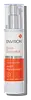
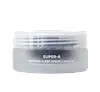
Environ Skin Care Skin Essentia AVST Moisturiser 1 Versus Oskia Super-R Retinoid Sleep Serum Capsules - Level 2 (0.5% HPR)
This barrier-repair moisturizer is formulated around Panthenol and Ascorbyl Tetraisopalmitate to strengthen the skin barrier.
This anti-aging serum is formulated around Hydroxypinacolone Retinoate and Ascorbyl Tetraisopalmitate to soften the look of wrinkles and refine skin texture.


What's inside
What's inside
 Key Ingredients
Benefits
Concerns
Ingredients Side-by-side
Water
Skin ConditioningHydrogenated Polydecene
EmollientSorbitol
Humectant

Tocopheryl Acetate
Antioxidant


Glyceryl Stearate
Emollient

PEG-100 Stearate
Surfactant
Cetearyl Alcohol
Emollient




Caprylic/Capric Triglyceride
Masking
Ethoxydiglycol
HumectantDimethicone
Emollient

Panthenol
Skin Conditioning

Sorbitan Stearate
Emulsifying
Polysorbate 60
Emulsifying
Ascorbyl Tetraisopalmitate
Antioxidant

Ascorbic Acid
Antioxidant

Rosmarinus Officinalis Leaf Extract
AntimicrobialEpigallocatechin Gallate
Antioxidant
Retinyl Palmitate
Skin Conditioning
Tocopherol
Antioxidant
Aspalathus Linearis Leaf Extract
Skin ConditioningCyclopia Genistoides Leaf Extract
Antioxidant
Polygonum Cuspidatum Extract
Skin ConditioningBeta-Carotene
Skin ConditioningAscorbyl Palmitate
Antioxidant
Glycerin
Humectant
Polyglyceryl-10 Laurate
Skin Conditioning
Helianthus Annuus Seed Oil
Emollient
Sodium Hydroxide
BufferingXanthan Gum
EmulsifyingMaltodextrin
Absorbent
Gelatin
Sucrose
Humectant
Zea Mays Oil
Emulsifying
Zea Mays Starch
Absorbent
Disodium EDTA
ChelatingMethylparaben
Preservative


Propylparaben
Preservative
Water, Hydrogenated Polydecene, Sorbitol, Tocopheryl Acetate, Glyceryl Stearate, PEG-100 Stearate, Cetearyl Alcohol, Caprylic/Capric Triglyceride, Ethoxydiglycol, Dimethicone, Panthenol, Sorbitan Stearate, Polysorbate 60, Ascorbyl Tetraisopalmitate, Ascorbic Acid, Rosmarinus Officinalis Leaf Extract, Epigallocatechin Gallate, Retinyl Palmitate, Tocopherol, Aspalathus Linearis Leaf Extract, Cyclopia Genistoides Leaf Extract, Polygonum Cuspidatum Extract, Beta-Carotene, Ascorbyl Palmitate, Glycerin, Polyglyceryl-10 Laurate, Helianthus Annuus Seed Oil, Sodium Hydroxide, Xanthan Gum, Maltodextrin, Gelatin, Sucrose, Zea Mays Oil, Zea Mays Starch, Disodium EDTA, Methylparaben, Propylparaben
C13-15 Alkane
SolventDimethyl Isosorbide
SolventSorbitan Isostearate
Emulsifying
Octyldodecanol
Emollient
Ascorbyl Tetraisopalmitate
Antioxidant
Echium Plantagineum Seed Oil
Skin Conditioning
Curcuma Longa Root Extract
Antioxidant
Alaria Esculenta Extract
Skin Protecting
Ubiquinone
Antioxidant
7-Dehydrocholesterol
Emulsion StabilisingTocopherol
Antioxidant
Caprylic/Capric Triglyceride
Masking
Hydroxypinacolone Retinoate
Skin Conditioning

Coco-Glucoside
Cleansing
Rosmarinus Officinalis Leaf Extract
AntimicrobialCardiospermum Halicacabum Flower/Leaf/Vine Extract
Skin ConditioningHelianthus Annuus Seed Oil Unsaponifiables
Emollient
Helianthus Annuus Seed Oil
Emollient
Olus Oil
Emollient
Lecithin
Emollient
Glycerin
Humectant
Water
Skin ConditioningSodium Benzoate
Masking
Rosa Damascena Extract
MaskingC13-15 Alkane, Dimethyl Isosorbide, Sorbitan Isostearate, Octyldodecanol, Ascorbyl Tetraisopalmitate, Echium Plantagineum Seed Oil, Curcuma Longa Root Extract, Alaria Esculenta Extract, Ubiquinone, 7-Dehydrocholesterol, Tocopherol, Caprylic/Capric Triglyceride, Hydroxypinacolone Retinoate, Coco-Glucoside, Rosmarinus Officinalis Leaf Extract, Cardiospermum Halicacabum Flower/Leaf/Vine Extract, Helianthus Annuus Seed Oil Unsaponifiables, Helianthus Annuus Seed Oil, Olus Oil, Lecithin, Glycerin, Water, Sodium Benzoate, Rosa Damascena Extract
Ingredients Explained
These ingredients are found in both products.
Ingredients higher up in an ingredient list are typically present in a larger amount.
Ascorbyl Tetraisopalmitate is a version of ascorbic acid, or Vitamin C.
This ingredient has many benefits including reducing wrinkles, skin soothing, dark spot fading, and fighting against free radicals.
It helps with dark spot fading by interfering with the process of skin darkening, helping to reduce hyperpigmentation. Like other forms of vitamin C, this ingredient encourages the skin to create more collagen.
As an antioxidant, it helps fight free-radicals. Free-radicals are molecules that may damage your skin cells.
One study found Ascorbyl Tetraisopalmitate to degrade in sunlight, but is stabilized when combined with acetyl zingerone.
Learn more about Ascorbyl TetraisopalmitateCaprylic/Capric Triglyceride (aka MCT Oil) is a lightweight emollient, solvent, and texture enhancer. It is considered a skin-softener by helping to prevent moisture loss.
Though it behaves like an oil, it is not technically one due to its chemical composition. One perk of this ingredient is that it is very stable, resistant to oxidation, and unlikely to go rancid.
In practice, that translates to a long shelf life and a consistently elegant skin feel.
While there is an assumption Caprylic Triglyceride can clog pores due to it being derived from coconut oil, there is no research supporting this. Just patch test if you have concerns.
Fractionated coconut oil and MCT Oil are both listed as Caprylic/Capric Triglyceride according to INCI. This is because INCI names are based on the ingredient’s final chemical composition and not its marketing name or source.
This ingredient is treated as the gold standard fungal acne safe oil. Even though it is coconut derived, the problematic lauric acid is stripped out.
This leaves just caprylic (C8) and capric (C10) acid. These chain lengths actually trend antifungal; a 2020 study found caprylic acid was enough to disrupt Malassezia furfur cell membrane, with a caprylic acid derivative damaging membrane structures at concentrations as low as 0.2%.
Learn more about Caprylic/Capric TriglycerideGlycerin (or glycerol) is a compound naturally found in your skin. It's a powerhouse humectant that pulls water into the stratum corneum.
Topically, glycerin does several things at once:
Your skin makes glycerin on its own (mostly from sebaceous oil breakdown) and shuttles it to your outermost layer of skin, or your epidermis, via aquaporin-3.
Aquaporin-3 is a transporter that is essential for normal skin hydration, elasticity, and repair. Interestingly, mice lacking in AQP3 have dry and less elastic skin that can be fully corrected with glycerin.
This ingredient is non-irritating, plays well with almost every ingredient, and works across all skin types. Typical use is anywhere between 3-10% but can go up to 79% in some leave-on products.
Just know very high concentrations (>40%) can feel tacky in low humidity.
Glycerin is the name for this ingredient in American English. British English uses Glycerol/Glycerine.
Learn more about GlycerinHelianthus Annuus Seed Oil is a plant oil derived from the seeds of a sunflower.
It is rich in fatty acids, primarily linoleic acid and oleic acid. This gives it emollient and skin conditioning properties.
The reason this ingredient is so effective is because it forms a thin film on the skin that reduces transepidermal water loss (TEWL) while supplying linoleic acid to the stratum corneum to improve barrier strength.
The high linoleic acid content is particularly noteworthy for acne-prone skin.
Research suggests that acne-prone skin tends to be deficient in linoleic acid in sebum. Topical application may help replenish this to support a healthier follicular environment and less comedone-promoting sebum.
One randomized study found sunflower seed oil preserved skin barrier integrity in adult volunteers with and without atopic dermatitis (outperforming olive oil).
This ingredient is well-studied, gentle, and an effective emollient suitable for most skin types.
On fungal acne: This ingredient may not be Fungal acne (Malassezia folliculitis) safe. This is because it contains fatty acids with carbon chain lengths in the C11-C24 range.
Learn more about Helianthus Annuus Seed OilThis is a botanical extract from the rosemary plant (the same one you cook with). In skincare, it mostly works as a skin conditioning agent.
Its activity comes from a handful of polyphenols, carnosic acid, carnosol, and rosmarinic acid. Almost 90% of the antioxidant activity of this ingredient can be attributed to canosol and carnosic acid.
These compounds protect your skin two ways:
1) They fight off free radicals, or the unstable molecules from things like sun and pollution that age and damage skin.
2) They help calm inflammation by switching off the chemical signals that tell skin to get red and irritated.
Lab studies also suggest that rosmarinic acid may help protect collagen and slow sugar-related damage to it.
The Cosmetic Ingredient Review has concluded rosemary-derived ingredients to be safe when formulated to be non-sensitizing.
Rosemary can occasionally cause allergic contact dermatitis (due to carnosol), so be sure to patch test if you have reactive or fragrance-sensitive skin.
Learn more about Rosmarinus Officinalis Leaf ExtractTocopherol is a fat-soluble antioxidant known as Vitamin E.
You'll find this ingredient in the vast majority of skincare (for good reason). It works to neutralize free radicals, or unstable molecules generated by UV exposure, pollution, and other environmental stressors, before they can cause oxidative damage to your skin cells.
Topically applied tocopherol has been shown to protect against UV damage by ramping up the skin's own natural defense enzymes.
It also acts as a skin conditioning agent; some studies show that regular topical use can improve the skin's water-binding capacity over 2-4 weeks.
This ingredient is especially loved for being a team player. When combined with Vitamin C, the photoprotective effect of both ingredients roughly doubles and the combo also helps reduce UV-induced DNA damage.
This ingredient has some brightening potential but it's more of a prevention ingredient than spot-fader. Cell studies show it can slow down melanin production but it's worth noting that it's not the most powerful brightener out there.
In formulations, it also serves as a stabilizer that helps protect other oxidation-prone ingredients from degrading.
Concentrations usually range from 0.1-1% in most leave-on products.
Learn more about TocopherolWater. It's the most common cosmetic ingredient of all. You'll usually see it at the top of ingredient lists, meaning that it makes up the largest part of the product.
So why is it so popular? Water most often acts as a solvent - this means that it helps dissolve other ingredients into the formulation.
You'll also recognize water as that liquid we all need to stay alive. If you see this, drink a glass of water. Remember to stay hydrated!
Learn more about Water

