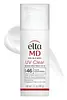
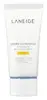
EltaMD, Inc UV Clear Broad-Spectrum SPF 46 Versus Laneige Hydro UV Defense Sunscreen Broad Spectrum SPF 50+
This hybrid sunscreen covers the full UV range and blocks ~98% of UVB at SPF 46.
This chemical sunscreen covers most of the UV range, lighter on the deep UVA that drives aging.


What's inside
What's inside
 Key Ingredients
Benefits
Concerns
Ingredients Side-by-side
Zinc Oxide 9%
Cosmetic Colorant


Ethylhexyl Methoxycinnamate 7.5%
UV Absorber
Water
Skin ConditioningCyclopentasiloxane
Emollient
Niacinamide
Smoothing










Octyldodecyl Neopentanoate
EmollientHydroxyethyl Acrylate/Sodium Acryloyldimethyl Taurate Copolymer
Emulsion StabilisingButylene Glycol
Humectant
Phenoxyethanol
Preservative
Polyisobutene
Triethoxycaprylylsilane
Tocopheryl Acetate
Antioxidant

PEG-7 Trimethylolpropane Coconut Ether
Emulsifying
Oleth-3 Phosphate
SurfactantIodopropynyl Butylcarbamate
Preservative
Lactic Acid
Buffering


Sodium Hyaluronate
Humectant
Phosphoric Acid
BufferingZinc Oxide 9%, Ethylhexyl Methoxycinnamate 7.5%, Water, Cyclopentasiloxane, Niacinamide, Octyldodecyl Neopentanoate, Hydroxyethyl Acrylate/Sodium Acryloyldimethyl Taurate Copolymer, Butylene Glycol, Phenoxyethanol, Polyisobutene, Triethoxycaprylylsilane, Tocopheryl Acetate, PEG-7 Trimethylolpropane Coconut Ether, Oleth-3 Phosphate, Iodopropynyl Butylcarbamate, Lactic Acid, Sodium Hyaluronate, Phosphoric Acid
Butyl Methoxydibenzoylmethane 2.5%
UV Absorber
Homosalate 9%
Skin Conditioning
Octocrylene 9%
UV Absorber
Ethylhexyl Salicylate 4.5%
UV Absorber
Water
Skin ConditioningPropanediol
Solvent
Butyloctyl Salicylate
Skin Conditioning
Glycerin
Humectant
Dimethicone
Emollient
Silica
Abrasive
Diphenylsiloxy Phenyl Trimethicone
Skin Conditioning
Behenyl Alcohol
Emollient
Trisiloxane
Skin Conditioning
Vp/Eicosene Copolymer
Cyclopentasiloxane
Emollient
Trimethylsiloxysilicate
Emollient
C14-22 Alcohols
Emulsion Stabilising
Ceramide AP
Skin Conditioning
1,2-Hexanediol
Skin Conditioning
Glyceryl Stearate
Emollient
PEG-100 Stearate
Surfactant
Phenyl Trimethicone
Skin Conditioning
Cetyl Alcohol
Emollient
Potassium Cetyl Phosphate
EmulsifyingCaprylyl Methicone
Skin Conditioning
Polyacrylate-13
Parfum
Masking

Polyisobutene
C12-20 Alkyl Glucoside
EmulsifyingEthylhexylglycerin
Skin ConditioningDisodium EDTA
Polysorbate 20
Emulsifying
Sorbitan Isostearate
Emulsifying
Lavandula Angustifolia Flower Water
Skin Conditioning
Butylphenyl Methylpropional
Perfuming
Hydroxycitronellal
Perfuming
Limonene
Perfuming
Benzyl Salicylate
Perfuming
Alpha-Isomethyl Ionone
Perfuming
Geraniol
Perfuming
Citronellol
Perfuming
Butylene Glycol
Humectant
Glucose
Humectant
Aloe Barbadensis Leaf Extract
Emollient
Pentylene Glycol
Skin Conditioning
Centella Asiatica Flower/Leaf/Stem Extract
Skin Conditioning
Brassica Oleracea Italica Extract
AstringentHibiscus Abelmoschus Extract
MaskingMagnesium Sulfate
Calcium Chloride
AstringentTocopherol
Antioxidant
Xanthan Gum
EmulsifyingCitric Acid
Buffering
Sodium Benzoate
Masking
Potassium Sorbate
Preservative
Manganese Sulfate
Skin ConditioningChenopodium Quinoa Seed Extract
Skin Conditioning
Zinc Sulfate
Antimicrobial
Ascorbyl Glucoside
Antioxidant
Butyl Methoxydibenzoylmethane 2.5%, Homosalate 9%, Octocrylene 9%, Ethylhexyl Salicylate 4.5%, Water, Propanediol, Butyloctyl Salicylate, Glycerin, Dimethicone, Silica, Diphenylsiloxy Phenyl Trimethicone, Behenyl Alcohol, Trisiloxane, Vp/Eicosene Copolymer, Cyclopentasiloxane, Trimethylsiloxysilicate, C14-22 Alcohols, Ceramide AP, 1,2-Hexanediol, Glyceryl Stearate, PEG-100 Stearate, Phenyl Trimethicone, Cetyl Alcohol, Potassium Cetyl Phosphate, Caprylyl Methicone, Polyacrylate-13, Parfum, Polyisobutene, C12-20 Alkyl Glucoside, Ethylhexylglycerin, Disodium EDTA, Polysorbate 20, Sorbitan Isostearate, Lavandula Angustifolia Flower Water, Butylphenyl Methylpropional, Hydroxycitronellal, Limonene, Benzyl Salicylate, Alpha-Isomethyl Ionone, Geraniol, Citronellol, Butylene Glycol, Glucose, Aloe Barbadensis Leaf Extract, Pentylene Glycol, Centella Asiatica Flower/Leaf/Stem Extract, Brassica Oleracea Italica Extract, Hibiscus Abelmoschus Extract, Magnesium Sulfate, Calcium Chloride, Tocopherol, Xanthan Gum, Citric Acid, Sodium Benzoate, Potassium Sorbate, Manganese Sulfate, Chenopodium Quinoa Seed Extract, Zinc Sulfate, Ascorbyl Glucoside
Reviews
Ingredients Explained
These ingredients are found in both products.
Ingredients higher up in an ingredient list are typically present in a larger amount.
Butylene Glycol (or BG) is used within cosmetic products for a few different reasons:
Overall, Butylene Glycol is a safe and well-rounded ingredient that works well with other ingredients.
Though this ingredient works well with most skin types, some people with sensitive skin may experience a reaction such as allergic rashes, closed comedones, or itchiness.
Learn more about Butylene GlycolCyclopentasiloxane (D5) is a lightweight silicone that mostly acts as an emollient and solvent in cosmetics. Its the reason your products feel silky, fast-spreading, and non-greasy.
Since D5 is volatile, it does its thing and then evaporates off the skin quickly.
The safety profile of this ingredient is reassuring; the US CIR Expert Panel concluded D5 is safe as used in cosmetics and Health Canada concluded that D5 is not harmful to human health or the environment as currently used in cosmetics
There's a study that people mention about D5 in a rat study showing tumors. This study is related to long-term inhalation of high D5 levels.
Regulatory bodies have judged this study to be not applicable in topical skincare since skin absorption of D5 is very low and we're not really inhaling huge amounts of D5.
The only restriction for this ingredient is environmental. The European Chemicals Agency (ECHA) restricted D5 in wash-off cosmetics at or above 0.1% due to their persistence in water.
Learn more about CyclopentasiloxanePolyisobutene is a synthetic polymer made from isobutene.
It is a film-forming agent and helps bind ingredients together.
Polyisobutene is not absorbed by the skin.
Learn more about PolyisobuteneWater. It's the most common cosmetic ingredient of all. You'll usually see it at the top of ingredient lists, meaning that it makes up the largest part of the product.
So why is it so popular? Water most often acts as a solvent - this means that it helps dissolve other ingredients into the formulation.
You'll also recognize water as that liquid we all need to stay alive. If you see this, drink a glass of water. Remember to stay hydrated!
Learn more about Water

