

What's inside
What's inside
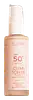 Key Ingredients
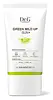
Benefits
Ingredients Side-by-side
Water
Skin ConditioningZinc Oxide
Cosmetic Colorant


Titanium Dioxide
Cosmetic Colorant
Cyclopentasiloxane
Emollient
PEG-10 Dimethicone
Skin Conditioning
Triethoxycaprylylsilane
Cetyl Ethylhexanoate
EmollientDimethicone
Emollient
Trimethylsiloxysilicate
Emollient
Dipropylene Glycol
HumectantPEG/PPG-20/15 Dimethicone
Emulsifying
Sodium Lactate
Buffering
Sodium Gluconate
Skin ConditioningMica
Cosmetic ColorantSilica
Abrasive

Phenoxyethanol
Preservative
Ethylhexylglycerin
Skin ConditioningButylene Glycol
Humectant
Centella Asiatica Extract
Cleansing



Polygonum Cuspidatum Root Extract
Antioxidant
Scutellaria Baicalensis Root Extract
Astringent
Camellia Sinensis Leaf Extract
Antimicrobial
Glycyrrhiza Glabra Root Extract
Bleaching
Chamomilla Recutita Flower Extract
Masking
Rosmarinus Officinalis Leaf Extract
AntimicrobialCI 77492
Cosmetic ColorantDisodium EDTA
CI 77891
Cosmetic ColorantCI 77288
Cosmetic ColorantCI 77499
Cosmetic ColorantCI 77007
Cosmetic ColorantEthylhexyl Salicylate
UV Absorber
Acrylates Copolymer
Cetyl PEG/PPG-10/1 Dimethicone
Emulsifying
Polyacrylate Crosspolymer-6
Emulsion StabilisingCI 77491
Cosmetic ColorantWater, Zinc Oxide, Titanium Dioxide, Cyclopentasiloxane, PEG-10 Dimethicone, Triethoxycaprylylsilane, Cetyl Ethylhexanoate, Dimethicone, Trimethylsiloxysilicate, Dipropylene Glycol, PEG/PPG-20/15 Dimethicone, Sodium Lactate, Sodium Gluconate, Mica, Silica, Phenoxyethanol, Ethylhexylglycerin, Butylene Glycol, Centella Asiatica Extract, Polygonum Cuspidatum Root Extract, Scutellaria Baicalensis Root Extract, Camellia Sinensis Leaf Extract, Glycyrrhiza Glabra Root Extract, Chamomilla Recutita Flower Extract, Rosmarinus Officinalis Leaf Extract, CI 77492, Disodium EDTA, CI 77891, CI 77288, CI 77499, CI 77007, Ethylhexyl Salicylate, Acrylates Copolymer, Cetyl PEG/PPG-10/1 Dimethicone, Polyacrylate Crosspolymer-6, CI 77491
Water
Skin ConditioningZinc Oxide
Cosmetic Colorant
Propanediol
Solvent
Butyloctyl Salicylate
Skin Conditioning
Propylheptyl Caprylate
EmollientCoco-Caprylate/Caprate
Emollient
Cyclohexasiloxane
Emollient
Caprylyl Methicone
Skin Conditioning
Isododecane
EmollientLauryl Polyglyceryl-3 Polydimethylsiloxyethyl Dimethicone
Skin Conditioning
Methyl Trimethicone
Skin Conditioning
Methyl Methacrylate Crosspolymer
Disteardimonium Hectorite
StabilisingMagnesium Sulfate
Triethoxycaprylylsilane
1,2-Hexanediol
Skin Conditioning
Polyglyceryl-2 Dipolyhydroxystearate
Skin Conditioning
Polymethylsilsesquioxane
Glyceryl Caprylate
EmollientCaprylyl Glycol
Emollient
Ethylhexylglycerin
Skin ConditioningSodium Hyaluronate
Humectant
Butylene Glycol
Humectant
Tocopherol
Antioxidant
Centella Asiatica Extract
Cleansing
Caesalpinia Spinosa Fruit Extract
Skin ProtectingPinus Pinaster Bark Extract
Antioxidant
Kappaphycus Alvarezii Extract
Skin Conditioning7-Dehydrocholesterol
Emulsion StabilisingHouttuynia Cordata Extract
Skin Conditioning
Ectoin
Skin Conditioning
Buddleja Officinalis Flower Extract
UV FilterLactobacillus Ferment
Skin Conditioning
Hydroxycinnamic Acid
Skin ConditioningRutin
Antioxidant
Water, Zinc Oxide, Propanediol, Butyloctyl Salicylate, Propylheptyl Caprylate, Coco-Caprylate/Caprate, Cyclohexasiloxane, Caprylyl Methicone, Isododecane, Lauryl Polyglyceryl-3 Polydimethylsiloxyethyl Dimethicone, Methyl Trimethicone, Methyl Methacrylate Crosspolymer, Disteardimonium Hectorite, Magnesium Sulfate, Triethoxycaprylylsilane, 1,2-Hexanediol, Polyglyceryl-2 Dipolyhydroxystearate, Polymethylsilsesquioxane, Glyceryl Caprylate, Caprylyl Glycol, Ethylhexylglycerin, Sodium Hyaluronate, Butylene Glycol, Tocopherol, Centella Asiatica Extract, Caesalpinia Spinosa Fruit Extract, Pinus Pinaster Bark Extract, Kappaphycus Alvarezii Extract, 7-Dehydrocholesterol, Houttuynia Cordata Extract, Ectoin, Buddleja Officinalis Flower Extract, Lactobacillus Ferment, Hydroxycinnamic Acid, Rutin
Reviews
Ingredients Explained
These ingredients are found in both products.
Ingredients higher up in an ingredient list are typically present in a larger amount.
Butylene Glycol (or BG) is used within cosmetic products for a few different reasons:
Overall, Butylene Glycol is a safe and well-rounded ingredient that works well with other ingredients.
Though this ingredient works well with most skin types, some people with sensitive skin may experience a reaction such as allergic rashes, closed comedones, or itchiness.
Learn more about Butylene GlycolCentella Asiatica Extract (Centella) is derived from an herb native to Southeast Asia. It is famous for its anti-inflammatory and soothing properties.
Centella is rich in antioxidants and amino acids, such as Madecassic Acid and Asiaticoside.
Studies show the compounds in centella help with:
The combination of all these properties makes centella effective at soothing, hydrating, and protecting the skin.
Other great components of centella include Vitamin A, vitamin C, several B vitamins, and Asiatic Acid.
Fun fact: Centella has been used as a medicine and in food for many centuries. As a medicine, it is used to treat burns, scratches, and wounds.
Learn more about Centella Asiatica ExtractEthylhexylglycerin is created from glycerin. It is a multitasker ingredient that:
The CIR Expert Panel found minimal skin absorption or sensitization of any kind in a safety assessment. Though this ingredient is considered well-tolerated, a small number of cases of allergic dermatitis have been published since 2002. Just be sure to patch test if you are unsure.
Industry-reported use ranges from 8% in rinse-off products and 2% in leave-on formulations.
Learn more about EthylhexylglycerinTriethoxycaprylylsilane is a silicon-based surface modifier that makes sunscreens feel silky and makeup stay put.
Its main job is to coat mineral particles like titanium dioxide, zinc oxide, and color pigments in a thin, oily layer so they spread smoothly, don't clump, and stick to skin better.
This ingredient is typically used at low levels (up to 2.5% in eyeshadow and 1% in lipstick).
Learn more about TriethoxycaprylylsilaneWater. It's the most common cosmetic ingredient of all. You'll usually see it at the top of ingredient lists, meaning that it makes up the largest part of the product.
So why is it so popular? Water most often acts as a solvent - this means that it helps dissolve other ingredients into the formulation.
You'll also recognize water as that liquid we all need to stay alive. If you see this, drink a glass of water. Remember to stay hydrated!
Learn more about WaterZinc Oxide is a mineral broad-spectrum UV filter; it is the broadest UVA and UVB reflector approved by the FDA. It also has skin protectant and skin soothing properties.
Zinc oxide is one of the most effective broad-spectrum UV filters. It protects against UVB, UVAII, and UVAI. In comparison to its counterpart titanium dioxide, zinc oxide provides uniform and extended UVA protection.
Another great benefit? This ingredient is highly photostable so it won't degrade easily under sunlight.
A common myth is that mineral UV filters are widely believed to primarily reflect UV light.
However, modern research shows titanium dioxide absorbs UV radiation like chemical filters (~95% absorption & 5% reflection).
Zinc oxide has great skin soothing properties so you'll likely find this in sunscreens formulated for sensitive skin or babies/children. It is unlikely to cause "eye sting" like other sunscreen ingredients.
Regulatory agencies consider zinc oxide to be non-toxic and safe. It has also been shown to not penetrate the skin.
Unfortunately, this ingredient does leave a visible white cast. This is why mineral sunscreens are often less cosmetically elegant than chemical or hybrid ones.
In cosmetics, zinc oxide can be found in both non-nano and nano-sized forms. The nano version is used to reduce white cast and improve the texture of sunscreen formulas.
There are ongoing concerns surrounding nano-zinc oxide's impact on marine ecosystems and whether it can be absorbed into skin.
Regarding marine ecosystems and coral reefs, there is no conclusive evidence that any form of zinc oxide (or any other sunscreen ingredients) will cause harm. The science is still developing but many consumers are keeping a close eye on this issue.
Please note, many destinations have reef-safety sunscreen rules. For instance, the U.S. Virgin Islands advises all visitors to use non-nano mineral sunscreens.
There has also been some stir about whether micronized or nano zinc oxide has potential photoxicity and absorption through the skin/lungs.
An in-vitro (done in a test tube or petri dish) study demonstrated micronized zinc oxide to have potential phototoxicity. There's no need to fret; the EU Commission's Scientific Committee on Consumer Safety has stated, "The relevance of these findings needs to be clarified by appropriate investigations in vivo." Or in other words, further studies done on living organisms are needed to prove this.
Current research shows zinc oxide nanoparticles do not penetrate intact or sunburned skin. They either remain on the surface or in the outermost layer of dead skin (stratum corneum).
Zinc oxide is one of only two classified mineral UV filters with titanium dioxide being the other one.
Fun fact: Zinc has been used throughout history as an ingredient in paint and medicine. An Indian text from 500BC is believed to list zinc oxide as a salve for open wound. The Ancient Greek physician Dioscorides has also mentioned the use of zinc as an ointment in 1AD.
Learn more about Zinc Oxide
