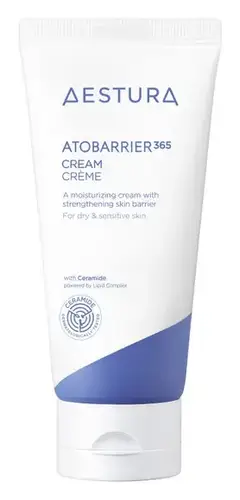
What's inside
What's inside
 Key Ingredients
Benefits
Concerns
Ingredients Side-by-side
Water
Skin ConditioningButylene Glycol
Humectant

Glycerin
Humectant
Isononyl Isononanoate
EmollientCaprylic/Capric Triglyceride
Masking
Isododecane
EmollientCyclopentasiloxane
Emollient
1,2-Hexanediol
Skin Conditioning
Hydroxyacetophenone
Antioxidant
Cetearyl Alcohol
Emollient





Diglycerin
Humectant
Carbomer
Emulsion StabilisingPolysorbate 80
Emulsifying
Triethanolamine
BufferingEctoin
Skin Conditioning



Propylene Glycol
Humectant
Sodium Polyglutamate
HumectantSorbitan Oleate
Emulsifying
Bisabolol
Antioxidant
Sodium Hyaluronate
Humectant
Centella Asiatica Extract
Cleansing
Propanediol
Solvent
Glucose
Humectant
Hydrogenated Lecithin
Emulsifying
Polygonum Cuspidatum Root Extract
Antioxidant
Scutellaria Baicalensis Root Extract
Astringent
Hexylene Glycol
EmulsifyingStearic Acid
Cleansing
Cholesterol
Emollient
Ceramide NP
Skin Conditioning
Camellia Sinensis Leaf Extract
Antimicrobial


Glycyrrhiza Glabra Root Extract
Bleaching
Beta-Glucan
Skin Conditioning
Chamomilla Recutita Flower Extract
Masking
Rosmarinus Officinalis Leaf Extract
AntimicrobialLespedeza Capitata Leaf/Stem Extract
Skin ConditioningAvena Sativa Kernel Extract
Abrasive
Zingiber Officinale Root Extract
Masking
Water, Butylene Glycol, Glycerin, Isononyl Isononanoate, Caprylic/Capric Triglyceride, Isododecane, Cyclopentasiloxane, 1,2-Hexanediol, Hydroxyacetophenone, Cetearyl Alcohol, Diglycerin, Carbomer, Polysorbate 80, Triethanolamine, Ectoin, Propylene Glycol, Sodium Polyglutamate, Sorbitan Oleate, Bisabolol, Sodium Hyaluronate, Centella Asiatica Extract, Propanediol, Glucose, Hydrogenated Lecithin, Polygonum Cuspidatum Root Extract, Scutellaria Baicalensis Root Extract, Hexylene Glycol, Stearic Acid, Cholesterol, Ceramide NP, Camellia Sinensis Leaf Extract, Glycyrrhiza Glabra Root Extract, Beta-Glucan, Chamomilla Recutita Flower Extract, Rosmarinus Officinalis Leaf Extract, Lespedeza Capitata Leaf/Stem Extract, Avena Sativa Kernel Extract, Zingiber Officinale Root Extract
Water
Skin ConditioningCaprylic/Capric Triglyceride
Masking
Dimethicone
Emollient
Behenyl Alcohol
Emollient
Polysorbate 60
Emulsifying
Butylene Glycol
Humectant
Olea Europaea Fruit Oil
Masking

Glycerin
Humectant
Lactobacillus/Collagen/Mesembryanthemum Crystallinum Leaf Extract Ferment Lysate
Skin Conditioning
Phenoxyethanol
Preservative
Carbomer
Emulsion StabilisingPanthenol
Skin Conditioning
Triethanolamine
BufferingChlorphenesin
Antimicrobial
Hydrolyzed Hyaluronic Acid
Humectant
Allantoin
Skin Conditioning
Aloe Barbadensis Leaf Juice
Skin Conditioning
Polyglutamic Acid
Skin Conditioning
Vaccinium Corymbosum Fruit Extract
Skin Conditioning1,2-Hexanediol
Skin Conditioning
Parfum
Masking

Tetrasodium EDTA
Sodium Hyaluronate
Humectant
Potassium Sorbate
Preservative
Sodium Benzoate
Masking
Rosmarinus Officinalis Leaf Extract
AntimicrobialEthylhexylglycerin
Skin ConditioningHydroxypropyltrimonium Hyaluronate
Lactic Acid
Buffering
Sodium Acetylated Hyaluronate
Humectant
Water, Caprylic/Capric Triglyceride, Dimethicone, Behenyl Alcohol, Polysorbate 60, Butylene Glycol, Olea Europaea Fruit Oil, Glycerin, Lactobacillus/Collagen/Mesembryanthemum Crystallinum Leaf Extract Ferment Lysate, Phenoxyethanol, Carbomer, Panthenol, Triethanolamine, Chlorphenesin, Hydrolyzed Hyaluronic Acid, Allantoin, Aloe Barbadensis Leaf Juice, Polyglutamic Acid, Vaccinium Corymbosum Fruit Extract, 1,2-Hexanediol, Parfum, Tetrasodium EDTA, Sodium Hyaluronate, Potassium Sorbate, Sodium Benzoate, Rosmarinus Officinalis Leaf Extract, Ethylhexylglycerin, Hydroxypropyltrimonium Hyaluronate, Lactic Acid, Sodium Acetylated Hyaluronate
Reviews
Ingredients Explained
These ingredients are found in both products.
Ingredients higher up in an ingredient list are typically present in a larger amount.
1,2-Hexanediol is a synthetic liquid and another multi-functional powerhouse.
It is a:
- Humectant, drawing moisture into the skin
- Emollient, helping to soften skin
- Solvent, dispersing and stabilizing formulas
- Preservative booster, enhancing the antimicrobial activity of other preservatives
Butylene Glycol (or BG) is used within cosmetic products for a few different reasons:
Overall, Butylene Glycol is a safe and well-rounded ingredient that works well with other ingredients.
Though this ingredient works well with most skin types, some people with sensitive skin may experience a reaction such as allergic rashes, closed comedones, or itchiness.
Learn more about Butylene GlycolCaprylic/Capric Triglyceride (aka MCT Oil) is a lightweight emollient, solvent, and texture enhancer. It is considered a skin-softener by helping to prevent moisture loss.
Though it behaves like an oil, it is not technically one due to its chemical composition. One perk of this ingredient is that it is very stable, resistant to oxidation, and unlikely to go rancid.
In practice, that translates to a long shelf life and a consistently elegant skin feel.
While there is an assumption Caprylic Triglyceride can clog pores due to it being derived from coconut oil, there is no research supporting this. Just patch test if you have concerns.
Fractionated coconut oil and MCT Oil are both listed as Caprylic/Capric Triglyceride according to INCI. This is because INCI names are based on the ingredient’s final chemical composition and not its marketing name or source.
This ingredient is treated as the gold standard fungal acne safe oil. Even though it is coconut derived, the problematic lauric acid is stripped out.
This leaves just caprylic (C8) and capric (C10) acid. These chain lengths actually trend antifungal; a 2020 study found caprylic acid was enough to disrupt Malassezia furfur cell membrane, with a caprylic acid derivative damaging membrane structures at concentrations as low as 0.2%.
Learn more about Caprylic/Capric TriglycerideCarbomer is a synthetic thickening and gelling agent. It's basically the ingredient that gives a lot of serums, gels, creams, and sunscreens their smooth, non-sticky texture.
Although legally permitted at very high levels, carbomers are normally used at concentrations below 1%.
It also needs to be neutralized to actually thicken, and because it is a large molecule, it doesn't really penetrate the skin barrier.
Allergy-wise, the risk is very low. Clinical studies show carbomers have low potential for skin irritation/sensitization even at concentrations up to 100%.
A 2024 UK study patch-tested 1,302 patients and found true allergy to the parent group of carbomer to be rare with no confirmed relevant reactions.
Learn more about CarbomerGlycerin (or glycerol) is a compound naturally found in your skin. It's a powerhouse humectant that pulls water into the stratum corneum.
Topically, glycerin does several things at once:
Your skin makes glycerin on its own (mostly from sebaceous oil breakdown) and shuttles it to your outermost layer of skin, or your epidermis, via aquaporin-3.
Aquaporin-3 is a transporter that is essential for normal skin hydration, elasticity, and repair. Interestingly, mice lacking in AQP3 have dry and less elastic skin that can be fully corrected with glycerin.
This ingredient is non-irritating, plays well with almost every ingredient, and works across all skin types. Typical use is anywhere between 3-10% but can go up to 79% in some leave-on products.
Just know very high concentrations (>40%) can feel tacky in low humidity.
Glycerin is the name for this ingredient in American English. British English uses Glycerol/Glycerine.
Learn more about GlycerinThis is a botanical extract from the rosemary plant (the same one you cook with). In skincare, it mostly works as a skin conditioning agent.
Its activity comes from a handful of polyphenols, carnosic acid, carnosol, and rosmarinic acid. Almost 90% of the antioxidant activity of this ingredient can be attributed to canosol and carnosic acid.
These compounds protect your skin two ways:
1) They fight off free radicals, or the unstable molecules from things like sun and pollution that age and damage skin.
2) They help calm inflammation by switching off the chemical signals that tell skin to get red and irritated.
Lab studies also suggest that rosmarinic acid may help protect collagen and slow sugar-related damage to it.
The Cosmetic Ingredient Review has concluded rosemary-derived ingredients to be safe when formulated to be non-sensitizing.
Rosemary can occasionally cause allergic contact dermatitis (due to carnosol), so be sure to patch test if you have reactive or fragrance-sensitive skin.
Learn more about Rosmarinus Officinalis Leaf ExtractSodium Hyaluronate is the salt form of hyaluronic acid. It is a long sugar chain that is naturally found in your skin, joints, and connective tissue that maintains hydration and elasticity.
In skincare, it works as a humectant. It pulls water from the environment and deeper layers of skin and binds it to the surface.
Interestingly, the size of the molecule affects its behavior:
Some clinical evidence links low molecular weight versions to improved wrinkle depth, elasticity, anti-inflammatory effects, and barrier repair.
Many serums use a blend of both weights so you can get surface hydration plus longer-lasting and deeper effects.
You'll typically see concentrations between 0.1-2% for this ingredient.
Learn more about Sodium HyaluronateTriethanolamine (TEA) is an emulsifier and pH adjuster. It is created using ethylene oxide and ammonia. This gives Triethanolamine a nitrogen core and a similar scent to ammonia.
As an emulsifier, it prevents ingredients from separating and enhances texture by adding volume to a product.
PH adjusters are common in cosmetic products. The pH of a product can affect the effectiveness of other ingredients. A product with a high pH may also irritate the skin.
If you are looking for the tea leaf ingredient, click here.
Learn more about TriethanolamineWater. It's the most common cosmetic ingredient of all. You'll usually see it at the top of ingredient lists, meaning that it makes up the largest part of the product.
So why is it so popular? Water most often acts as a solvent - this means that it helps dissolve other ingredients into the formulation.
You'll also recognize water as that liquid we all need to stay alive. If you see this, drink a glass of water. Remember to stay hydrated!
Learn more about Water