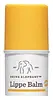
This barrier-repair lip moisturizer is formulated around Cocos Nucifera Oil and Sclerocarya Birrea Seed Oil to strengthen the lip barrier and hydrate lips.
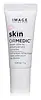
This anti-aging lip moisturizer is formulated around Persea Gratissima Oil and Atelocollagen to soften the look of wrinkles and hydrate lips.

What's inside
What's inside
 Key Ingredients
Benefits
Concerns
Ingredients Side-by-side
Cocos Nucifera Oil
Masking








Sclerocarya Birrea Seed Oil
Humectant
Butyrospermum Parkii Butter
Skin Conditioning
Caprylic/Capric Triglyceride
Masking
Bis-Diglyceryl Polyacyladipate-2
Emollient
Beeswax
Emulsion Stabilising
Ozokerite
Emulsion StabilisingPolyisobutene
Glycine Soja Oil
Emollient

Copernicia Cerifera Cera
Emollient
Euphorbia Cerifera Cera
Astringent
Camellia Oleifera Leaf Extract
AstringentDictyopteris Membranacea Extract
Antioxidant
Magnolia Grandiflora Bark Extract
Antimicrobial
Carthamus Tinctorius Seed Oil
Masking
Persea Gratissima Oil
Skin Conditioning
Schinziophyton Rautanenii Kernel Oil
Emollient
Vaccinium Macrocarpon Seed Oil
Skin Conditioning
Tocopheryl Acetate
Antioxidant

Dipotassium Glycyrrhizate
Humectant
Palmitoyl Tripeptide-1
Skin Conditioning



Tetrahexyldecyl Ascorbate
Antioxidant

Ethylhexyl Palmitate
Emollient
Dicaprylyl Ether
Emollient
Tribehenin
Emollient
Sorbitan Isostearate
Emulsifying
Lauryl Alcohol
Emollient
Linoleic Acid
Cleansing
Linolenic Acid
Cleansing
Caprylyl Glycol
Emollient
Phenoxyethanol
Preservative
Cocos Nucifera Oil, Sclerocarya Birrea Seed Oil, Butyrospermum Parkii Butter, Caprylic/Capric Triglyceride, Bis-Diglyceryl Polyacyladipate-2, Beeswax, Ozokerite, Polyisobutene, Glycine Soja Oil, Copernicia Cerifera Cera, Euphorbia Cerifera Cera, Camellia Oleifera Leaf Extract, Dictyopteris Membranacea Extract, Magnolia Grandiflora Bark Extract, Carthamus Tinctorius Seed Oil, Persea Gratissima Oil, Schinziophyton Rautanenii Kernel Oil, Vaccinium Macrocarpon Seed Oil, Tocopheryl Acetate, Dipotassium Glycyrrhizate, Palmitoyl Tripeptide-1, Tetrahexyldecyl Ascorbate, Ethylhexyl Palmitate, Dicaprylyl Ether, Tribehenin, Sorbitan Isostearate, Lauryl Alcohol, Linoleic Acid, Linolenic Acid, Caprylyl Glycol, Phenoxyethanol
Hydrogenated Polyisobutene
EmollientEthylene/Propylene/Styrene Copolymer
Persea Gratissima Oil
Skin Conditioning
Phenyl Trimethicone
Skin Conditioning
Pentaerythrityl Tetraisostearate
Emollient
Ethylhexyl Palmitate
Emollient
PPG-12/Smdi Copolymer
EmollientTribehenin
Emollient
Butylene/Ethylene/Styrene Copolymer
Diisopropyl Dimer Dilinoleate
Emollient
Aroma
Tocopheryl Acetate
Antioxidant
Mica
Cosmetic ColorantLimonene
Perfuming

CI 77891
Cosmetic ColorantSilica Dimethyl Silylate
EmollientSorbitan Isostearate
Emulsifying
Butylene Glycol
Humectant
Pentylene Glycol
Skin Conditioning
Sodium Chondroitin Sulfate
Skin ConditioningPentaerythrityl Tetra-Di-T-Butyl Hydroxyhydrocinnamate
Antioxidant
Atelocollagen
Skin Conditioning
Caesalpinia Sappan Bark Extract
Skin ConditioningTocopherol
Antioxidant
Linalool
Perfuming
Citral
Perfuming
Tin Oxide
Abrasive
Palmitoyl Tripeptide-1
Skin Conditioning
Oryzanol
Skin ConditioningUbiquinone
Antioxidant
Hydrogenated Polyisobutene, Ethylene/Propylene/Styrene Copolymer, Persea Gratissima Oil, Phenyl Trimethicone, Pentaerythrityl Tetraisostearate, Ethylhexyl Palmitate, PPG-12/Smdi Copolymer, Tribehenin, Butylene/Ethylene/Styrene Copolymer, Diisopropyl Dimer Dilinoleate, Aroma, Tocopheryl Acetate, Mica, Limonene, CI 77891, Silica Dimethyl Silylate, Sorbitan Isostearate, Butylene Glycol, Pentylene Glycol, Sodium Chondroitin Sulfate, Pentaerythrityl Tetra-Di-T-Butyl Hydroxyhydrocinnamate, Atelocollagen, Caesalpinia Sappan Bark Extract, Tocopherol, Linalool, Citral, Tin Oxide, Palmitoyl Tripeptide-1, Oryzanol, Ubiquinone
Reviews
Ingredients Explained
These ingredients are found in both products.
Ingredients higher up in an ingredient list are typically present in a larger amount.
Ethylhexyl Palmitate, also known as octyl palmitate, is created from 2-ethylhexyl alcohol and palmitic acid.
In cosmetics, it plays many roles:
One thing worth noting: a controlled study found this ingredient applied under occlusion to acne-prone subjects increased microcomedones. Just keep in mind this was under occlusive conditions and don't reflect how most products are used day-to-day.
For most people, this is a well-tolerated and lightweight ingredient.
This ingredient may not be fungal acne safe because it is an ester of palmitic acid, a C16 fatty acid that falls within the C11-24 range that Malassezia can metabolize.
You'll see this one rated 4 comedogenic all over the internet. That number isn't from a single study, and the actual research is more interesting.
The original rating comes from 1980s rabbit ear tests (which are a shaky basis for anything). But Ethylhexyl Palmitate is one of the few ingredients with real human data behind it. A 2021 controlled trial found this ingredient increased microcomedones by an average of 365% over four weeks.
Just know that test used the pure ingredient under an occlusive pad on back skin; most products use it at much lower levels alongside other ingredients and plenty of people use those with no issue.
Learn more about Ethylhexyl PalmitatePalmitoyl Tripeptide-1 (aka Pal-GHK) is a synthetic signal peptide made of three amino acids attached to palmitic acid.
That fatty acid attachment is the key: it boosts the peptide's ability to penetrate the skin barrier. This puts it closer to the dermal cells where it can actually make a difference.
Once there, it acts as a matrikine, a signaling peptide that prompts fibroblasts to produce more collagen, fibronectin, and hyaluronic acid.
In vitro studies show it can boost collagen production in skin cells even when UV-damaged skin samples were treated with it at a tiny concentration (it almost fully restored dermal collagen at 5ppm). It achieved this at 100x lower concentration than retinoic acid, which needed 500 ppm to do the same thing.
Human clinical data is promising, but modest:
A study of 23 female volunteers found a small but statistically significant increase (~4%) in skin thickness after treatment at 4 ppm.
A separate small trial of 15 women showed statistically significant reductions in wrinkle length, depth, and skin roughness after applying it twice daily for four weeks.
You'll likely see Pal-GHK paired with Palmitoyl Tetrapeptide-7 as part of the Matrixyl 3000 complex.
Fungal acne note:
Usually a palmitic acid component can feed Malassezia in unbound form, but here is is covalently bonded to the peptide. This means it is very difficult for Malassezia to access, and therefore very unlikely to cause fungal acne.
This ingredient is also known as Avocado oil. It's the cold-pressed oil from the flesh of the avocado fruit packed with fatty acids (mostly oleic acid).
The rich fatty acid profile allows it to function as a skin conditioning agent and emollient; it helps soften and smooth skin while reducing water loss.
Preclinical research has found that topical avocado oil increased collagen synthesis and reduced inflammation during wound healing, giving it some skin-repairing credibility.
The unsaponifiable fraction of the oil is also interesting: studies on avocado unsaponifiables showed that it helped skin produce more collagen and other structural compounds that support healing.
The CIR Expert Panel has found this ingredient to be non-irritating in formulations.
This ingredient may not be fungal acne safe. This is because the oleic acid content falls within the range that Malassezia can use as a food source.
This ingredient does have a comedogenic rating of 0-3, but this doesn't mean a formula with this ingredient will clog pores. Human testing has proved that any finished product with a comedogenic ingredient won't automatically make you break out; it really comes down to concentration, formula, and your skin.
Learn more about Persea Gratissima OilSorbitan Isostearate is an emulsifer. It is created from isostearic acid and sorbitol.
As an emulsifier, it keeps the water and oil ingredients from separating. This keeps formulas stable and smooth.
In a 24 hour occlusive patch test on 56 subjects, 10% sorbitan isostearate was completely non-irritating. Most formulas use less than 10%.
Because it's a fatty acid ester, it may not be fungal acne safe since the Malassezia yeast can utilize it as a nutrient source.
Learn more about Sorbitan IsostearateTocopheryl Acetate is a stable, shelf-friendly form of vitamin E.
Formulators love it because plain vitamin E oxidizes quickly once it hits air. This acetate version stays stable and resists going off, helping to extend a product's shelf life.
It's actually inactive on its own and works like a slow-release "storage" form; the enzymes in your skin called esterases gradually convert it into active vitamin E over time.
One in vivo study showed 5% of the acetate in the living layer of the epidermis converted to vitamin E after 5 days of application. This study also found the skin gained protection against UV damage even though the conversion was slow and small.
Once converted, vitamin E acts as a skin's main fat-soluble antioxidant that fights free radicals to protect skin from damage.
Topical vitamin E generally boosts the skin's photoprotection, and it reduced UV-damage in animal models.
This ingredient has some brightening potential but it's more of a prevention ingredient than spot-fader. Cell studies show it can slow down melanin production but it's worth noting that it's not the most powerful brightener out there.
Overall, it has a pretty solid safety profile and has been found to be non-irritating and non-comedogenic. Allergic reactions may happen but stay rare due to how widely the ingredient gets used.
The concentration will vary depending on the formula; industry data shows 0.1% in baby lotions, 3% in lipsticks, and 5% in foot powders. You can also find this ingredient at 100% in a pure vitamin E oil.
Most leave-on skincare keeps it at the lower end, often between 0.5-1%.
Learn more about Tocopheryl AcetateTribehenin is the triglyceride of glycerin and behenic acid. It is an emollient that helps soften and condition skin.
Safety-wise, this is a well-vetted ingredient. Repeated-insult patch tests of 0.38% tribehenin did not trigger sensitization.
This ingredient may not be fungal acne safe because behenic acid falls into the chain-length range that Malassezia yeasts can feed on.
Learn more about Tribehenin

