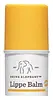
This barrier-repair lip moisturizer is formulated around Cocos Nucifera Oil and Sclerocarya Birrea Seed Oil to strengthen the lip barrier and hydrate lips.
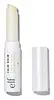
This lip moisturizer is formulated around Limnanthes Alba Seed Oil and Simmondsia Chinensis Seed Oil to hydrate lips.

What's inside
What's inside
 Key Ingredients
Benefits
Concerns
Ingredients Side-by-side
Cocos Nucifera Oil
Masking








Sclerocarya Birrea Seed Oil
Humectant
Butyrospermum Parkii Butter
Skin Conditioning
Caprylic/Capric Triglyceride
Masking
Bis-Diglyceryl Polyacyladipate-2
Emollient
Beeswax
Emulsion Stabilising
Ozokerite
Emulsion StabilisingPolyisobutene
Glycine Soja Oil
Emollient

Copernicia Cerifera Cera
Emollient
Euphorbia Cerifera Cera
Astringent
Camellia Oleifera Leaf Extract
AstringentDictyopteris Membranacea Extract
Antioxidant
Magnolia Grandiflora Bark Extract
Antimicrobial
Carthamus Tinctorius Seed Oil
Masking
Persea Gratissima Oil
Skin Conditioning
Schinziophyton Rautanenii Kernel Oil
Emollient
Vaccinium Macrocarpon Seed Oil
Skin Conditioning
Tocopheryl Acetate
Antioxidant

Dipotassium Glycyrrhizate
Humectant
Palmitoyl Tripeptide-1
Skin Conditioning



Tetrahexyldecyl Ascorbate
Antioxidant

Ethylhexyl Palmitate
Emollient
Dicaprylyl Ether
Emollient
Tribehenin
Emollient
Sorbitan Isostearate
Emulsifying
Lauryl Alcohol
Emollient
Linoleic Acid
Cleansing
Linolenic Acid
Cleansing
Caprylyl Glycol
Emollient
Phenoxyethanol
Preservative
Cocos Nucifera Oil, Sclerocarya Birrea Seed Oil, Butyrospermum Parkii Butter, Caprylic/Capric Triglyceride, Bis-Diglyceryl Polyacyladipate-2, Beeswax, Ozokerite, Polyisobutene, Glycine Soja Oil, Copernicia Cerifera Cera, Euphorbia Cerifera Cera, Camellia Oleifera Leaf Extract, Dictyopteris Membranacea Extract, Magnolia Grandiflora Bark Extract, Carthamus Tinctorius Seed Oil, Persea Gratissima Oil, Schinziophyton Rautanenii Kernel Oil, Vaccinium Macrocarpon Seed Oil, Tocopheryl Acetate, Dipotassium Glycyrrhizate, Palmitoyl Tripeptide-1, Tetrahexyldecyl Ascorbate, Ethylhexyl Palmitate, Dicaprylyl Ether, Tribehenin, Sorbitan Isostearate, Lauryl Alcohol, Linoleic Acid, Linolenic Acid, Caprylyl Glycol, Phenoxyethanol
Pentaerythrityl Tetraethylhexanoate
Emollient
Bis-Diglyceryl Polyacyladipate-2
Emollient
Dipentaerythrityl Hexa C5-9 Acid Esters
Skin ConditioningPolyethylene
Abrasive
Limnanthes Alba Seed Oil
Skin Conditioning
Simmondsia Chinensis Seed Oil
Emollient
Cannabis Sativa Seed Oil
Emollient
Ceresin
Emulsion StabilisingDaucus Carota Sativa Seed Oil
Emollient
Zea Mays Oil
Emulsifying
Helianthus Annuus Seed Oil
Emollient
Ascorbyl Palmitate
Antioxidant
Daucus Carota Sativa Root Extract
Skin Conditioning
Caprylyl Glycol
Emollient
Phenoxyethanol
Preservative
BHT
Antioxidant
Pentaerythrityl Tetraethylhexanoate, Bis-Diglyceryl Polyacyladipate-2, Dipentaerythrityl Hexa C5-9 Acid Esters, Polyethylene, Limnanthes Alba Seed Oil, Simmondsia Chinensis Seed Oil, Cannabis Sativa Seed Oil, Ceresin, Daucus Carota Sativa Seed Oil, Zea Mays Oil, Helianthus Annuus Seed Oil, Ascorbyl Palmitate, Daucus Carota Sativa Root Extract, Caprylyl Glycol, Phenoxyethanol, BHT
Reviews
Alternatives
Ingredients Explained
These ingredients are found in both products.
Ingredients higher up in an ingredient list are typically present in a larger amount.
Bis-Diglyceryl Polyacyladipate-2 is a synthetic emollient that works as a lanolin substitute.
This ingredient is a great vegan option for those avoiding animal-derived ingredients.
It mostly stays on the surface of skin where it helps hydrate due to its large molecular size and low water solubility.
Due to it being derived from fatty acids, this ingredient may not be Malassezia or fungal acne safe.
Learn more about Bis-Diglyceryl Polyacyladipate-2Caprylyl Glycol is a humectant, skin conditioner, emollient, and preservative booster derived from either caprylic acid or synthetically created.
Typical use levels vary from 0.3-1% as a preservative booster and go up to 2% to condition skin.
Because it is not a free-fatty acid, this ingredient is fungal acne safe (there's nothing for Malassezia to feed on).
Learn more about Caprylyl GlycolPhenoxyethanol is one of the most widely used preservatives in skincare (and for good reason!).
It has a large spectrum of antimicrobial activity and especially effective bacteria, yeast, and mold while only having a weak effect on your skin's natural microbiome.
On a cellular level, it disrupts the cell membranes of microbes by poking holes that make the cell leak. This shuts down the chemical reactions the microbe needs to make energy so it can no longer survive.
Another perk of this ingredient is that it stays functional across a wide pH range (3-10).
You'll often see it paired with boosters like Ethylhexylglycerin; one study showed that a 1:9 ratio of Ethylhexylglycerin to Phenoxyethanol damages bacterial membranes as effectively as doubling the Phenoxyethanol concentration on its own.
Typical use concentrations range from 0.3-1% depending on the formula, and this ingredient is capped at 1% int the EU.
Safety-wise, the fear mongering does not hold up to the evidence. The EU's Scientific Committee on Consumer Safety and FDA consider it safe as a preservative at up to 1%, including for children of all ages.
Adverse systemic effects only showed up in animal studies at exposures roughly 200x higher than what people get from cosmetics. And despite its very widespread use, this ingredient is a rare sensitizer and allergic reactions are uncommon.
Learn more about Phenoxyethanol

