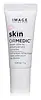
This anti-aging lip moisturizer is formulated around Persea Gratissima Oil and Atelocollagen to soften the look of wrinkles and hydrate lips.
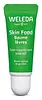
This calming lip moisturizer is formulated around Helianthus Annuus Seed Oil and Chamomilla Recutita Flower Extract to calm redness and hydrate lips.


What's inside
What's inside
 Key Ingredients
No key ingredients
Benefits
Concerns
Ingredients Side-by-side
Hydrogenated Polyisobutene
EmollientEthylene/Propylene/Styrene Copolymer
Persea Gratissima Oil
Skin Conditioning





Phenyl Trimethicone
Skin Conditioning
Pentaerythrityl Tetraisostearate
Emollient
Ethylhexyl Palmitate
Emollient
PPG-12/Smdi Copolymer
EmollientTribehenin
Emollient
Butylene/Ethylene/Styrene Copolymer
Diisopropyl Dimer Dilinoleate
Emollient
Aroma


Tocopheryl Acetate
Antioxidant


Mica
Cosmetic ColorantLimonene
Perfuming

CI 77891
Cosmetic ColorantSilica Dimethyl Silylate
EmollientSorbitan Isostearate
Emulsifying
Butylene Glycol
Humectant
Pentylene Glycol
Skin Conditioning
Sodium Chondroitin Sulfate
Skin ConditioningPentaerythrityl Tetra-Di-T-Butyl Hydroxyhydrocinnamate
Antioxidant
Atelocollagen
Skin Conditioning
Caesalpinia Sappan Bark Extract
Skin ConditioningTocopherol
Antioxidant

Linalool
Perfuming
Citral
Perfuming
Tin Oxide
Abrasive
Palmitoyl Tripeptide-1
Skin Conditioning


Oryzanol
Skin ConditioningUbiquinone
Antioxidant
Hydrogenated Polyisobutene, Ethylene/Propylene/Styrene Copolymer, Persea Gratissima Oil, Phenyl Trimethicone, Pentaerythrityl Tetraisostearate, Ethylhexyl Palmitate, PPG-12/Smdi Copolymer, Tribehenin, Butylene/Ethylene/Styrene Copolymer, Diisopropyl Dimer Dilinoleate, Aroma, Tocopheryl Acetate, Mica, Limonene, CI 77891, Silica Dimethyl Silylate, Sorbitan Isostearate, Butylene Glycol, Pentylene Glycol, Sodium Chondroitin Sulfate, Pentaerythrityl Tetra-Di-T-Butyl Hydroxyhydrocinnamate, Atelocollagen, Caesalpinia Sappan Bark Extract, Tocopherol, Linalool, Citral, Tin Oxide, Palmitoyl Tripeptide-1, Oryzanol, Ubiquinone



Ingredients Explained
These ingredients are found in both products.
Ingredients higher up in an ingredient list are typically present in a larger amount.
Limonene is the compound that gives citrus peel its smell.
In skincare, it shows up as a standalone fragrance ingredient or as a natural compound of citrus and other essential oils.
You'll typically see this ingredient used in very small amounts; anything above 0.001% in a leave-on product or 0.01% in a rinse-off has to be named on the label in the EU. The citrus oils that carry it sit around 0.5-1% in a finished formula.
Fresh limonene is a weak allergen; the real issue is that it slowly reacts with air and then breaks down from oxidation to create hydroperoxides (which are strong sensitizers). This is why suppliers are required to keep the peroxide value below 20 mmol.
Positive reactions in people being investigated for eczema vary:
It's worth skipping if you have a known fragrance allergy or a compromised barrier, but the risk is low for most people.
Older or long-opened products are also more likely to bother you than fresh ones due to oxidation.
Learn more about LimoneneLinalool is a small, naturally occurring scent molecule found in plants like lavender, coriander, bergamot, and more.
It is one of the two most-used fragrance ingredients in cosmetics and added purely for smell. Since it's not used for a skin benefit, there's no "effective dose". Concentration depends on the fragrance load of the product.
The EU requires it to be named on the label above 0.001% in leave-on and 0.01% in rinse-off products.
Fresh linalool is a weak sensitizer but air exposure turns some of it into hydroperoxides, which are strong sensitizers. Those oxidation products are the actual allergy concern.
Patch-test clinics see positive reactions to linalool hydroperoxides in about 4% to 12% of dermatitis patients depending on country and test concentration.
Resassuringly, one analytical study found hydroperoxide levels in real fragranced products to be orders of magnitude below what induced sensitization in animal studies with no evidence of oxidation building up during normal storage.
The practical takeaway is that linalool is fine for most people but worth avoiding if you have a confirmed fragrance contact allergy or a badly compromised barrier.
Products stored a long time after opening are also the high-risk scenario since that is when oxidation happens.
The scent of linalool is described as floral, spicy tropical, and citrus-like.
Learn more about Linalool

