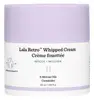
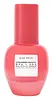
Drunk Elephant Lala Retro Whipped Cream Versus Glow Recipe Strawberry Smooth BHA + AHA Salicylic Acid Serum
This barrier-repair moisturizer is formulated around Camellia Sinensis Seed Oil and Ceramide NP to strengthen the skin barrier and hydrate skin.
This smoothing serum is formulated around Salicylic Acid and Mandelic Acid to refine skin texture and clear breakouts.

What's inside
What's inside
 Key Ingredients
Benefits
Concerns
Ingredients Side-by-side
Water
Skin ConditioningGlycerin
Humectant


Caprylic/Capric Triglyceride
Masking
Isopropyl Isostearate
Emollient




Camellia Sinensis Seed Oil
Humectant

Glyceryl Stearate Se
Emulsifying
Cetearyl Alcohol
Emollient
Palmitic Acid
Emollient
Stearic Acid
Cleansing
Pentylene Glycol
Skin Conditioning
Plantago Lanceolata Leaf Extract
AntimicrobialAdansonia Digitata Seed Oil
Emollient
Citrullus Lanatus Seed Oil
Emollient
Passiflora Edulis Seed Oil
Emollient
Schinziophyton Rautanenii Kernel Oil
Emollient
Sclerocarya Birrea Seed Oil
Humectant
Polyglyceryl-6 Ximenia Americana Seedate
Emollient
Cholesterol
Emollient
Ceramide AP
Skin Conditioning


Ceramide EOP
Skin Conditioning
Sodium Hyaluronate Crosspolymer
Humectant
Ceramide NP
Skin Conditioning
Phytosphingosine
Skin Conditioning
Ceteareth-20
Cleansing
Trisodium Ethylenediamine Disuccinate
ChelatingTocopherol
Antioxidant



Sodium Lauroyl Lactylate
EmulsifyingSodium Hydroxide
BufferingCitric Acid
Buffering
Carbomer
Emulsion StabilisingXanthan Gum
EmulsifyingCaprylyl Glycol
Emollient
Chlorphenesin
Antimicrobial
Phenoxyethanol
Preservative
Ethylhexylglycerin
Skin ConditioningWater, Glycerin, Caprylic/Capric Triglyceride, Isopropyl Isostearate, Camellia Sinensis Seed Oil, Glyceryl Stearate Se, Cetearyl Alcohol, Palmitic Acid, Stearic Acid, Pentylene Glycol, Plantago Lanceolata Leaf Extract, Adansonia Digitata Seed Oil, Citrullus Lanatus Seed Oil, Passiflora Edulis Seed Oil, Schinziophyton Rautanenii Kernel Oil, Sclerocarya Birrea Seed Oil, Polyglyceryl-6 Ximenia Americana Seedate, Cholesterol, Ceramide AP, Ceramide EOP, Sodium Hyaluronate Crosspolymer, Ceramide NP, Phytosphingosine, Ceteareth-20, Trisodium Ethylenediamine Disuccinate, Tocopherol, Sodium Lauroyl Lactylate, Sodium Hydroxide, Citric Acid, Carbomer, Xanthan Gum, Caprylyl Glycol, Chlorphenesin, Phenoxyethanol, Ethylhexylglycerin
Water
Skin ConditioningMethylpropanediol
SolventC9-12 Alkane
SolventFragaria Vesca Fruit Extract
AstringentHydroxypropyl Starch Phosphate
Salicylic Acid
Masking






Pentylene Glycol
Skin Conditioning
Mandelic Acid
Antimicrobial
Succinic Acid
BufferingFragaria Vesca Leaf Extract
AstringentAzelaic Acid
Buffering
Allantoin
Skin Conditioning
Sodium Hyaluronate
Humectant
Bisabolol
Antioxidant
Opuntia Ficus-Indica Flower Extract
Skin ConditioningNiacinamide
Smoothing
Glucosamine
Zingiber Officinale Root Extract
Masking
Saccharomyces Ferment
Skin Conditioning
Dextrin
AbsorbentPolydextrose
Humectant1,2-Hexanediol
Skin Conditioning
Caprylyl Glycol
Emollient
Coco-Caprylate/Caprate
Emollient
Hydroxyacetophenone
Antioxidant
Amylopectin
Butylene Glycol
Humectant
Succinoglycan
Skin ConditioningLeuconostoc/Radish Root Ferment Filtrate
Antimicrobial
Lauroyl Lysine
Skin Conditioning
Sodium Phytate
ChelatingLecithin
Emollient
Aminomethyl Propanol
BufferingXanthan Gum
EmulsifyingCitric Acid
Buffering
Parfum
Masking

Water, Methylpropanediol, C9-12 Alkane, Fragaria Vesca Fruit Extract, Hydroxypropyl Starch Phosphate, Salicylic Acid, Pentylene Glycol, Mandelic Acid, Succinic Acid, Fragaria Vesca Leaf Extract, Azelaic Acid, Allantoin, Sodium Hyaluronate, Bisabolol, Opuntia Ficus-Indica Flower Extract, Niacinamide, Glucosamine, Zingiber Officinale Root Extract, Saccharomyces Ferment, Dextrin, Polydextrose, 1,2-Hexanediol, Caprylyl Glycol, Coco-Caprylate/Caprate, Hydroxyacetophenone, Amylopectin, Butylene Glycol, Succinoglycan, Leuconostoc/Radish Root Ferment Filtrate, Lauroyl Lysine, Sodium Phytate, Lecithin, Aminomethyl Propanol, Xanthan Gum, Citric Acid, Parfum
Reviews
Ingredients Explained
These ingredients are found in both products.
Ingredients higher up in an ingredient list are typically present in a larger amount.
Caprylyl Glycol is a humectant, skin conditioner, emollient, and preservative booster derived from either caprylic acid or synthetically created.
Typical use levels vary from 0.3-1% as a preservative booster and go up to 2% to condition skin.
Because it is not a free-fatty acid, this ingredient is fungal acne safe (there's nothing for Malassezia to feed on).
Learn more about Caprylyl GlycolCitric Acid is an alpha hydroxy acid (AHA) naturally found in citrus fruits like oranges, lemons, and limes.
Like other AHAs, citric acid can exfoliate skin by breaking down the bonds that hold dead skin cells together. This helps reveal smoother and brighter skin underneath.
However, this exfoliating effect only happens at high concentrations (20%) which can be hard to find in cosmetic products.
Due to this, citric acid is usually included in small amounts as a pH adjuster. This helps keep products slightly more acidic and compatible with skin's natural pH.
In skincare formulas, citric acid can:
While it can provide some skin benefits, research shows lactic acid and glycolic acid are generally more effective and less irritating exfoliants.
Most citric acid used in skincare today is made by fermenting sugars (usually from molasses). This synthetic version is identical to the natural citrus form but easier to stabilize and use in formulations.
Rosacea skin has a lower threshold for acids generally, with 62.5% of rosacea subjects in one study reacting to lactic acid in a sting test. This is why we mark citric acid as a potential rosacea trigger.
However, this ingredient shows up as a pH adjuster or chelator at roughly 0.1-1% in many products. These low levels are unlikely to be an issue for rosacea skin and becomes a potential trigger at exfoliating concentrations (20%). Because everybody's skin is unique, we recommend a patch test if you are unsure.
Learn more about Citric AcidPentylene Glycol (1,2-pentanediol) is a multitasking little diol with three main roles in a formula:
Research on alkanediols (the family pentylene glycol belongs to) show they work by disrupting microbial cell membranes. This disruption helps the primary preservative system in a product work more effectively at lower doses.
On the safety side, the Cosmetic Ingredient Review Expert Panel has concluded this ingredient to be safe as used in current cosmetic practices + concentrations.
Typical use levels in a formula run about 1-5%.
Learn more about Pentylene GlycolWater. It's the most common cosmetic ingredient of all. You'll usually see it at the top of ingredient lists, meaning that it makes up the largest part of the product.
So why is it so popular? Water most often acts as a solvent - this means that it helps dissolve other ingredients into the formulation.
You'll also recognize water as that liquid we all need to stay alive. If you see this, drink a glass of water. Remember to stay hydrated!
Learn more about WaterXanthan gum is used as a stabilizer and thickener within cosmetic products. It helps give products a sticky, thick feeling - preventing them from being too runny.
On the technical side of things, xanthan gum is a polysaccharide - a combination consisting of multiple sugar molecules bonded together.
Xanthan gum is a pretty common and great ingredient. It is a natural, non-toxic, non-irritating ingredient that is also commonly used in food products.
Learn more about Xanthan Gum

