
What's inside
What's inside
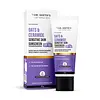 Key Ingredients
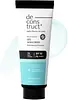
Benefits
Concerns
No concerns
Ingredients Side-by-side
Water
Skin ConditioningC12-15 Alkyl Benzoate
AntimicrobialDiethylamino Hydroxybenzoyl Hexyl Benzoate
UV Filter
Ethylhexyl Triazone
UV Absorber
Propanediol
Solvent

Bis-Ethylhexyloxyphenol Methoxyphenyl Triazine
Skin Conditioning
Lecithin
Emollient
Phenethyl Alcohol
MaskingHydroxyacetophenone
Antioxidant


Glycerin
Humectant
Titanium Dioxide
Cosmetic Colorant
Niacinamide
Smoothing







Colloidal Oatmeal Extract
Humectant
Dimethicone
Emollient
Hyaluronic Acid
Humectant
1,2-Hexanediol
Skin Conditioning
Laminaria Digitata Extract
Skin Protecting
Hydrogenated Lecithin
Emulsifying
Cetyl-Pg Hydroxyethyl Palmitamide
Skin ConditioningCeramide Ns
Skin Conditioning
Ceramide Ng
Skin Conditioning
Ceramide NP
Skin Conditioning
Ceramide As
Skin Conditioning
Ceramide AP
Skin Conditioning
Cholesterol
Emollient
Panthenol
Skin Conditioning
Dicaprylyl Carbonate
EmollientAloe Barbadensis Leaf Juice
Skin Conditioning
Phenoxyethanol
Preservative
Allantoin
Skin Conditioning
Bisabolol
Antioxidant
Centella Asiatica Extract
Cleansing
Peucedanum Graveolens Extract
TonicEruca Sativa Leaf Extract
Skin ConditioningPolyacrylate-13
Polyisobutene
Polysorbate 20
Emulsifying
Tasmannia Lanceolata Fruit/Leaf Extract
Antioxidant
Copernicia Cerifera Wax
Oryza Sativa Extract
Absorbent
Acrylates/C12-22 Alkyl Methacrylate Copolymer
Lycopene
Antioxidant
Glutathione
Thermus Thermophillus Ferment
Skin ConditioningTheobroma Cacao Seed Extract
Antioxidant
Water, C12-15 Alkyl Benzoate, Diethylamino Hydroxybenzoyl Hexyl Benzoate, Ethylhexyl Triazone, Propanediol, Bis-Ethylhexyloxyphenol Methoxyphenyl Triazine, Lecithin, Phenethyl Alcohol, Hydroxyacetophenone, Glycerin, Titanium Dioxide, Niacinamide, Colloidal Oatmeal Extract, Dimethicone, Hyaluronic Acid, 1,2-Hexanediol, Laminaria Digitata Extract, Hydrogenated Lecithin, Cetyl-Pg Hydroxyethyl Palmitamide, Ceramide Ns, Ceramide Ng, Ceramide NP, Ceramide As, Ceramide AP, Cholesterol, Panthenol, Dicaprylyl Carbonate, Aloe Barbadensis Leaf Juice, Phenoxyethanol, Allantoin, Bisabolol, Centella Asiatica Extract, Peucedanum Graveolens Extract, Eruca Sativa Leaf Extract, Polyacrylate-13, Polyisobutene, Polysorbate 20, Tasmannia Lanceolata Fruit/Leaf Extract, Copernicia Cerifera Wax, Oryza Sativa Extract, Acrylates/C12-22 Alkyl Methacrylate Copolymer, Lycopene, Glutathione, Thermus Thermophillus Ferment, Theobroma Cacao Seed Extract
Water
Skin ConditioningC12-15 Alkyl Benzoate
AntimicrobialDiethylamino Hydroxybenzoyl Hexyl Benzoate
UV Filter
Ethylhexyl Triazone
UV Absorber
Bis-Ethylhexyloxyphenol Methoxyphenyl Triazine
Skin Conditioning
Phospholipids
Skin Conditioning
Polysorbate 80
Emulsifying
Butylene Glycol
Humectant
Glycerin
Humectant
Methylene Bis-Benzotriazolyl Tetramethylbutylphenol
UV Filter
Decyl Glucoside
Cleansing
Propylene Glycol
Humectant

Xanthan Gum
EmulsifyingEthylhexyl Salicylate
UV Absorber
Cetearyl Olivate
Sorbitan Olivate
Emulsifying
Tanacetum Annuum Flower Extract
PEG-7 Glyceryl Cocoate
Emulsifying
Ceramide NP
Skin Conditioning
Hydrolyzed Oat Protein
Skin ConditioningCoco-Caprylate/Caprate
Emollient
Polyglyceryl-2 Isostearate/Dimer Dilinoleate Copolymer
EmollientSqualane
Emollient
Butyloctyl Salicylate
Skin Conditioning
Sodium Carbomer
Emulsion StabilisingGlyceryl Dibehenate
Emollient
Phenoxyethanol
Preservative
Ethylhexylglycerin
Skin ConditioningHydrated Silica
Abrasive
Sodium Gluconate
Skin ConditioningDehydroxanthan Gum
Emulsion StabilisingAcrylates/C10-30 Alkyl Acrylate Crosspolymer
Emulsion StabilisingTriethanolamine
BufferingEctoin
Skin Conditioning
Water, C12-15 Alkyl Benzoate, Diethylamino Hydroxybenzoyl Hexyl Benzoate, Ethylhexyl Triazone, Bis-Ethylhexyloxyphenol Methoxyphenyl Triazine, Phospholipids, Polysorbate 80, Butylene Glycol, Glycerin, Methylene Bis-Benzotriazolyl Tetramethylbutylphenol, Decyl Glucoside, Propylene Glycol, Xanthan Gum, Ethylhexyl Salicylate, Cetearyl Olivate, Sorbitan Olivate, Tanacetum Annuum Flower Extract, PEG-7 Glyceryl Cocoate, Ceramide NP, Hydrolyzed Oat Protein, Coco-Caprylate/Caprate, Polyglyceryl-2 Isostearate/Dimer Dilinoleate Copolymer, Squalane, Butyloctyl Salicylate, Sodium Carbomer, Glyceryl Dibehenate, Phenoxyethanol, Ethylhexylglycerin, Hydrated Silica, Sodium Gluconate, Dehydroxanthan Gum, Acrylates/C10-30 Alkyl Acrylate Crosspolymer, Triethanolamine, Ectoin
Ingredients Explained
These ingredients are found in both products.
Ingredients higher up in an ingredient list are typically present in a larger amount.
You might know this ingredient as Tinosorb S or Bemotrizinol. It is a UV filter that covers both UVA and UVB rays.
This ingredient has two peak UV absorption peaks ( 310 and 340 nm) and is able to absorb both UV-A and UV-B rays. This ingredient works by preventing UV rays from reaching and damaging your skin.
On top of that - it is highly photostable and helps prevent the photodegration of other sunscreen ingredients such as avobenzone.
Tinosorb S is allowed in the EU, Australia, and Asia. It is close to being approved by the FDA and we'll hopefully get this ingredient in the U.S. by late 2026.
Fun fact: Tinosorb S is the most effective UV absorber at maximum concentration (measured by SPF) permitted in the EU.
This ingredient is oil-soluble, so your oil-cleansers will take this right off at night.
Learn more about Bis-Ethylhexyloxyphenol Methoxyphenyl TriazineC12-15 Alkyl Benzoate is made up of Benzoic Acid and long chain alcohols. It has a low molecular weight.
C12-15 Alkyl Benzoate is an emollient and texture enhancer. Due to its solubility, it is often used in sunscreens to help evenly distribute active ingredients.
As an emollient, C12-15 Alkyl Benzoate helps soften and hydrate your skin. Emollients create a film on your skin that traps moisture within.
This ingredient has been reported to cause eye irritation.
Learn more about C12-15 Alkyl BenzoateCeramide NP (formerly known as Ceramide 3) is one of the skin's naturally occurring lipids.
Since ceramides are the major lipid components of the skin, they are crucial for maintaining skin barrier and hydration. Ceramide NP most closely mirrors the dominant kind in human skin amongst ceramide subtypes.
This ceramide works by slotting into gaps within the stratum corneum's lipid matrix to limit trans-epidermal water loss (TEWL) and shield the skin against external irritants.
A study with 312 patients found that using a ceramide-containing routine for 4 weeks reduced the severity of atopic dermatitis by over 61%.
Another clinical study in subjects aged 60 and older found that a ceramide body wash and moisturizer improved skin dryness and itchy skin in 15 days.
Overall, ceramides are considered non-irritating and safety tests have found little to no observable adverse effects from using this ingredient.
Ceramide NP is usually sourced from plants (like soybean or rice bran), or produced synthetically.
Learn more about Ceramide NPDiethylamino Hydroxybenzoyl Hexyl Benzoate (DHHB) is a chemical UV-A absorber. It is formulated for high UVA protection (320-400 nm).
DHHB is well-liked for:
DHHB has been approved by the EU, Japan, Taiwan, and South America for use up to 10%. Unfortunately, it has not been approved for use in the US or Canada due to slow regulatory processes.
This ingredient is soluble in oils, fats, and lipids.
Learn more about Diethylamino Hydroxybenzoyl Hexyl BenzoateEthylhexyl Triazone is a modern chemical sunscreen that protects from UV-B radiation.
It is the most effective of existing UV-B filters, as it provides the highest level of photo-stable absorption. It protects from the entire UV-B range (280 to 320nm), with it's highest level of protection at 314nm.
Ethylhexyl Triazone is oil soluble, oderless and colorless, which mean it is able to be incorporated into a variety of different formulations.
It is not currently available within the United States due to slow changing FDA regulations. Outside of the US, it is used in formulations at concentrations up to 5%.
Learn more about Ethylhexyl TriazoneGlycerin (or glycerol) is a compound naturally found in your skin. It's a powerhouse humectant that pulls water into the stratum corneum.
Topically, glycerin does several things at once:
Your skin makes glycerin on its own (mostly from sebaceous oil breakdown) and shuttles it to your outermost layer of skin, or your epidermis, via aquaporin-3.
Aquaporin-3 is a transporter that is essential for normal skin hydration, elasticity, and repair. Interestingly, mice lacking in AQP3 have dry and less elastic skin that can be fully corrected with glycerin.
This ingredient is non-irritating, plays well with almost every ingredient, and works across all skin types. Typical use is anywhere between 3-10% but can go up to 79% in some leave-on products.
Just know very high concentrations (>40%) can feel tacky in low humidity.
Glycerin is the name for this ingredient in American English. British English uses Glycerol/Glycerine.
Learn more about GlycerinPhenoxyethanol is a preservative that has germicide, antimicrobial, and aromatic properties. Studies show that phenoxyethanol can prevent microbial growth. By itself, it has a scent that is similar to that of a rose.
It's often used in formulations along with Caprylyl Glycol to preserve the shelf life of products.
Water. It's the most common cosmetic ingredient of all. You'll usually see it at the top of ingredient lists, meaning that it makes up the largest part of the product.
So why is it so popular? Water most often acts as a solvent - this means that it helps dissolve other ingredients into the formulation.
You'll also recognize water as that liquid we all need to stay alive. If you see this, drink a glass of water. Remember to stay hydrated!
Learn more about Water
