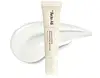
This anti-aging lip moisturizer is formulated around Sodium DNA and Allantoin to soften the look of wrinkles and hydrate lips.
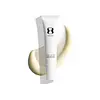
This barrier-repair lip moisturizer is formulated around Simmondsia Chinensis Seed Oil and Palmitoyl Tripeptide-1 to strengthen the lip barrier and hydrate lips.


What's inside
What's inside
 Key Ingredients
Benefits
Concerns
Ingredients Side-by-side
Polybutene
Pentaerythrityl Tetraethylhexanoate
Emollient
Cetyl Ethylhexanoate
EmollientHydrogenated Polyisobutene
EmollientTribehenin
Emollient

Microcrystalline Wax
Emulsion StabilisingSorbitan Isostearate
Emulsifying
Vp/Hexadecene Copolymer
Silica Silylate
Emollient
Allantoin
Skin Conditioning



Water
Skin ConditioningGlycyrrhetinic Acid
Skin Conditioning
Tocopheryl Acetate
Antioxidant


Butylene Glycol
Humectant
Pyridoxine Hcl
Skin ConditioningAdenosine
Skin Conditioning
Cetylpyridinium Chloride
AntimicrobialPolyglyceryl-2 Oleate
Emulsifying
Hibiscus Sabdariffa Flower Extract
Skin ConditioningOryza Sativa Bran Oil
Emollient
Macadamia Ternifolia Seed Oil
Emollient
Sodium DNA
Skin Conditioning
Pyruvic Acid
MaskingLactic Acid
Buffering





Candida Bombicola/Glucose/Methyl Rapeseedate Ferment
AntimicrobialAcetic Acid
BufferingPolybutene, Pentaerythrityl Tetraethylhexanoate, Cetyl Ethylhexanoate, Hydrogenated Polyisobutene, Tribehenin, Microcrystalline Wax, Sorbitan Isostearate, Vp/Hexadecene Copolymer, Silica Silylate, Allantoin, Water, Glycyrrhetinic Acid, Tocopheryl Acetate, Butylene Glycol, Pyridoxine Hcl, Adenosine, Cetylpyridinium Chloride, Polyglyceryl-2 Oleate, Hibiscus Sabdariffa Flower Extract, Oryza Sativa Bran Oil, Macadamia Ternifolia Seed Oil, Sodium DNA, Pyruvic Acid, Lactic Acid, Candida Bombicola/Glucose/Methyl Rapeseedate Ferment, Acetic Acid
Zinc Oxide
Cosmetic Colorant

Simmondsia Chinensis Seed Oil
Emollient
Ethylene/Propylene/Styrene Copolymer
Ethylhexyl Palmitate
Emollient

Butyloctyl Salicylate
Skin Conditioning
Caprylic/Capric Triglyceride
Masking
Water
Skin ConditioningGarcinia Indica Seed Butter
Skin Conditioning
Tocopheryl Acetate
Antioxidant
Butylene/Ethylene/Styrene Copolymer
Glyceryl Oleate
Emollient

Glyceryl Dioleate
Emollient
Glycerin
Humectant
Oleic Acid
Emollient
Tribehenin
Emollient
Sorbitan Isostearate
Emulsifying
Palmitoyl Tripeptide-1
Skin Conditioning
Dipalmitoyl Hydroxyproline
Skin Conditioning
Trihydroxystearin
Skin Conditioning
Sodium Hyaluronate
Humectant
Glucomannan
Skin ConditioningTetrahexyldecyl Ascorbate
Antioxidant
Bisabolol
Antioxidant
Decapeptide-52
Skin Conditioning
Ethylhexylglycerin
Skin ConditioningCaprylyl/Capryl Glucoside
CleansingPropanediol
Solvent
Ectoin
Skin Conditioning
Centella Asiatica Extract
Cleansing
Hippophae Rhamnoides Oil
Emollient
Helianthus Annuus Seed Oil
Emollient
Copernicia Cerifera Wax
Tocopherol
Antioxidant
Pentaerythrityl Tetra-Di-T-Butyl Hydroxyhydrocinnamate
Antioxidant
Polyhydroxystearic Acid
Emulsifying
Polyglyceryl-3 Polyricinoleate
Emulsifying
Isostearic Acid
Cleansing
Lecithin
Emollient
Beta-Sitosterol
Emulsion Stabilising
Squalene
Emollient
Lactic Acid
Buffering
Palmitic Acid
Emollient
Zinc Oxide, Simmondsia Chinensis Seed Oil, Ethylene/Propylene/Styrene Copolymer, Ethylhexyl Palmitate, Butyloctyl Salicylate, Caprylic/Capric Triglyceride, Water, Garcinia Indica Seed Butter, Tocopheryl Acetate, Butylene/Ethylene/Styrene Copolymer, Glyceryl Oleate, Glyceryl Dioleate, Glycerin, Oleic Acid, Tribehenin, Sorbitan Isostearate, Palmitoyl Tripeptide-1, Dipalmitoyl Hydroxyproline, Trihydroxystearin, Sodium Hyaluronate, Glucomannan, Tetrahexyldecyl Ascorbate, Bisabolol, Decapeptide-52, Ethylhexylglycerin, Caprylyl/Capryl Glucoside, Propanediol, Ectoin, Centella Asiatica Extract, Hippophae Rhamnoides Oil, Helianthus Annuus Seed Oil, Copernicia Cerifera Wax, Tocopherol, Pentaerythrityl Tetra-Di-T-Butyl Hydroxyhydrocinnamate, Polyhydroxystearic Acid, Polyglyceryl-3 Polyricinoleate, Isostearic Acid, Lecithin, Beta-Sitosterol, Squalene, Lactic Acid, Palmitic Acid
Reviews
Ingredients Explained
These ingredients are found in both products.
Ingredients higher up in an ingredient list are typically present in a larger amount.
Lactic Acid is another well-loved alpha hydroxy acid (AHA). It is gentler than glycolic acid but still highly effective.
Its main role is to exfoliate the surface of the skin by loosening the “glue” that holds dead skin cells together. Shedding those old cells leads to smoother, softer, and more even-toned skin.
Because lactic acid molecules are larger than glycolic acid, they don’t penetrate as deeply. This means they’re less likely to sting or irritate, making it a great choice for beginners or those with sensitive skin.
Like glycolic acid, it can:
Lactic acid also acts as a humectant (like hyaluronic acid). It can draw water into the skin to improve hydration and also plays a role in the skin's natural moisturizing factor (NMF) in the form of sodium lactate.
Studies show it can boost ceramide production to strengthen the skin barrier and even help balance the skin’s microbiome.
To get results, choose products with a pH between 3-4.
Lower strengths (5-12%) focus on surface exfoliation; higher strengths (12% and up) can reach deeper in the dermis (deeper, supportive layer) to improve skin texture and firmness over time.
Though it was originally derived from milk, most modern lactic acid used in skincare is vegan. It is made through non-dairy fermentation to create a bio-identical and stable form suitable for all formulations.
When lactic acid shows up near the end of an ingredient list, it usually means the brand added just a tiny amount to adjust the product’s pH.
Legend has it that Cleopatra used to bathe in sour milk to help reduce wrinkles.
Lactic acid is truly a gentle multitasker: it exfoliates, hydrates, strengthens, and brightens. It's a great ingredient for giving your skin a smooth, glowing, and healthy look without the harshness of stronger acids.
Read more about some other popular AHA's here:
Learn more about Lactic AcidSorbitan Isostearate is an emulsifer. It is created from isostearic acid and sorbitol.
As an emulsifier, it keeps the water and oil ingredients from separating. This keeps formulas stable and smooth.
In a 24 hour occlusive patch test on 56 subjects, 10% sorbitan isostearate was completely non-irritating. Most formulas use less than 10%.
Because it's a fatty acid ester, it may not be fungal acne safe since the Malassezia yeast can utilize it as a nutrient source.
Learn more about Sorbitan IsostearateTocopheryl Acetate is a stable, shelf-friendly form of vitamin E.
Formulators love it because plain vitamin E oxidizes quickly once it hits air. This acetate version stays stable and resists going off, helping to extend a product's shelf life.
It's actually inactive on its own and works like a slow-release "storage" form; the enzymes in your skin called esterases gradually convert it into active vitamin E over time.
One in vivo study showed 5% of the acetate in the living layer of the epidermis converted to vitamin E after 5 days of application. This study also found the skin gained protection against UV damage even though the conversion was slow and small.
Once converted, vitamin E acts as a skin's main fat-soluble antioxidant that fights free radicals to protect skin from damage.
Topical vitamin E generally boosts the skin's photoprotection, and it reduced UV-damage in animal models.
This ingredient has some brightening potential but it's more of a prevention ingredient than spot-fader. Cell studies show it can slow down melanin production but it's worth noting that it's not the most powerful brightener out there.
Overall, it has a pretty solid safety profile and has been found to be non-irritating and non-comedogenic. Allergic reactions may happen but stay rare due to how widely the ingredient gets used.
The concentration will vary depending on the formula; industry data shows 0.1% in baby lotions, 3% in lipsticks, and 5% in foot powders. You can also find this ingredient at 100% in a pure vitamin E oil.
Most leave-on skincare keeps it at the lower end, often between 0.5-1%.
Learn more about Tocopheryl AcetateTribehenin is the triglyceride of glycerin and behenic acid. It is an emollient that helps soften and condition skin.
Safety-wise, this is a well-vetted ingredient. Repeated-insult patch tests of 0.38% tribehenin did not trigger sensitization.
This ingredient may not be fungal acne safe because behenic acid falls into the chain-length range that Malassezia yeasts can feed on.
Learn more about TribeheninWater. It's the most common cosmetic ingredient of all. You'll usually see it at the top of ingredient lists, meaning that it makes up the largest part of the product.
So why is it so popular? Water most often acts as a solvent - this means that it helps dissolve other ingredients into the formulation.
You'll also recognize water as that liquid we all need to stay alive. If you see this, drink a glass of water. Remember to stay hydrated!
Learn more about Water

