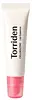
This anti-aging lip moisturizer is formulated around Simmondsia Chinensis Seed Oil and Adenosine to soften the look of wrinkles and hydrate lips.
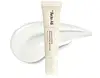
This anti-aging lip moisturizer is formulated around Sodium DNA and Allantoin to soften the look of wrinkles and hydrate lips.

What's inside
What's inside
 Key Ingredients
Benefits
Concerns
Ingredients Side-by-side
Polyisobutene
Diisostearyl Malate
EmollientDibutyl Adipate
EmollientSimmondsia Chinensis Seed Oil
Emollient





Olea Europaea Fruit Oil
Masking


Petrolatum
Emollient

Dipropylene Glycol
HumectantMicrocrystalline Wax
Emulsion StabilisingButyrospermum Parkii Butter
Skin Conditioning
Macadamia Ternifolia Seed Oil
Emollient
Euphorbia Cerifera Wax
Adenosine
Skin Conditioning

Glycerin
Humectant
Sorbitan Sesquioleate
Emulsifying
Pentylene Glycol
Skin Conditioning
Tocopheryl Acetate
Antioxidant


Collagen
Moisturising
Collagen Amino Acids
Moisturising
Collagen Extract
Skin Conditioning
Soluble Collagen
Humectant
Hydrolyzed Collagen
Emollient
Hexapeptide-2
Bleaching
Acetyl Hexapeptide-8
Humectant
Cyanocobalamin
Skin ConditioningLithospermum Erythrorhizon Root Extract
Skin ConditioningNiacinamide
Smoothing






Hizikia Fusiforme Extract
Skin Conditioning
Butylene Glycol
Humectant
Caprylyl Glycol
Emollient
Water
Skin ConditioningBiotin
Antiseborrhoeic1,2-Hexanediol
Skin Conditioning
Polyisobutene, Diisostearyl Malate, Dibutyl Adipate, Simmondsia Chinensis Seed Oil, Olea Europaea Fruit Oil, Petrolatum, Dipropylene Glycol, Microcrystalline Wax, Butyrospermum Parkii Butter, Macadamia Ternifolia Seed Oil, Euphorbia Cerifera Wax, Adenosine, Glycerin, Sorbitan Sesquioleate, Pentylene Glycol, Tocopheryl Acetate, Collagen, Collagen Amino Acids, Collagen Extract, Soluble Collagen, Hydrolyzed Collagen, Hexapeptide-2, Acetyl Hexapeptide-8, Cyanocobalamin, Lithospermum Erythrorhizon Root Extract, Niacinamide, Hizikia Fusiforme Extract, Butylene Glycol, Caprylyl Glycol, Water, Biotin, 1,2-Hexanediol
Polybutene
Pentaerythrityl Tetraethylhexanoate
Emollient
Cetyl Ethylhexanoate
EmollientHydrogenated Polyisobutene
EmollientTribehenin
Emollient
Microcrystalline Wax
Emulsion StabilisingSorbitan Isostearate
Emulsifying
Vp/Hexadecene Copolymer
Silica Silylate
Emollient
Allantoin
Skin Conditioning
Water
Skin ConditioningGlycyrrhetinic Acid
Skin Conditioning
Tocopheryl Acetate
Antioxidant
Butylene Glycol
Humectant
Pyridoxine Hcl
Skin ConditioningAdenosine
Skin Conditioning
Cetylpyridinium Chloride
AntimicrobialPolyglyceryl-2 Oleate
Emulsifying
Hibiscus Sabdariffa Flower Extract
Skin ConditioningOryza Sativa Bran Oil
Emollient
Macadamia Ternifolia Seed Oil
Emollient
Sodium DNA
Skin Conditioning
Pyruvic Acid
MaskingLactic Acid
Buffering
Candida Bombicola/Glucose/Methyl Rapeseedate Ferment
AntimicrobialAcetic Acid
BufferingPolybutene, Pentaerythrityl Tetraethylhexanoate, Cetyl Ethylhexanoate, Hydrogenated Polyisobutene, Tribehenin, Microcrystalline Wax, Sorbitan Isostearate, Vp/Hexadecene Copolymer, Silica Silylate, Allantoin, Water, Glycyrrhetinic Acid, Tocopheryl Acetate, Butylene Glycol, Pyridoxine Hcl, Adenosine, Cetylpyridinium Chloride, Polyglyceryl-2 Oleate, Hibiscus Sabdariffa Flower Extract, Oryza Sativa Bran Oil, Macadamia Ternifolia Seed Oil, Sodium DNA, Pyruvic Acid, Lactic Acid, Candida Bombicola/Glucose/Methyl Rapeseedate Ferment, Acetic Acid
Reviews
Ingredients Explained
These ingredients are found in both products.
Ingredients higher up in an ingredient list are typically present in a larger amount.
Adenosine is a purine nucleoside that your body already makes in every cell. In skincare, it acts mainly as a skin conditioning and anti-aging agent.
The way it works is fairly well mapped out:
Your skin has cells called fibroblasts that build collagen (the stuff that keeps skin firm and smooth). Adenosine basically flips a switch on these cells that tells them to get to work making more collagen and other proteins. These cells slow down on their own as skin ages, so Adenosine helps give them a little nudge to keep going.
The clinical backing is pretty solid too.
A blind, randomized, placebo-controlled trial of 126 women aged 45-65 tested a 0.1% cream twice daily and found real improvements in crow's feet and frown lines using a precise 3D skin-mapping technique; these changes showed up by week 3 and held at 2 months.
A later study using Adenosine-loaded dissolving microneedle patches reported gains in wrinkle depth, dermal density, elasticity, and hydration.
On concentrations, South Korea's Ministry of Food and Drug Safety has set 0.04% as the approved functional anti-wrinkle level. You'll typically see this ingredient used somewhere in the 0.04-0.1% range since it works at low doses.
This ingredient has been found safe for cosmetics with the data showing no irritation or sensitization.
Overall, this is a great ingredient for any anti-aging routine and has no photosensitizing effect, so it suits both AM and PM use.
Learn more about AdenosineButylene Glycol (or BG) is used within cosmetic products for a few different reasons:
Overall, Butylene Glycol is a safe and well-rounded ingredient that works well with other ingredients.
Though this ingredient works well with most skin types, some people with sensitive skin may experience a reaction such as allergic rashes, closed comedones, or itchiness.
Learn more about Butylene GlycolThis ingredient is also known as Macadamia Seed Oil. It's an emollient with a fatty acid profile that closely mirrors the skin's own lipid makeup.
The palmitoleic acid content is especially notable as it's somewhat rare in plant oils. Palmitoleic acid is something your skin already makes naturally. It helps keep cell membranes structured and plays a role in fighting off harmful microbes.
This palmitoleic content is also part of why macademia seed oil absorbs quickly and doesn't leave much of a greasy residue.
It also contains oleic acid, linoleic acid, and phytosterols that can help reduce redness.
In vitro research has shown the oil to have meaningful antioxidant activity, protect fats in the skin from oxidative damage, and slow down the enzyme that breaks down hyaluronic acid.
A 2024 clinical study found it effective at improving skin hydratino and reducing wrinkle appearance when formulated into nanoemulsions.
Because it carries oleic acid (C18) and palmitic acid (C16), this ingredient may not be fungal acne safe. This is because the Malassezia yeast metabolizes in the C11-24 chain length range.
You'll also see this ingredient listed as: Macadamia Integrifolia Seed Oil .
These two oils are identical in composition and M. ternifolia is an older INCI naming convention for the edible macadamia nut while M. integrifolia is the species actually cultivated for oil production. Both names refer to the same oil.
Learn more about Macadamia Ternifolia Seed OilMicrocrystalline Wax is derived from petroleum through a de-oiling process, then highly refined and purified before use in cosmetics.
In skincare formulations, it is used to improve texture and create a smooth, even consistency. It also helps stabilize products by preventing ingredients from separating.
Tocopheryl Acetate is a stable, shelf-friendly form of vitamin E.
Formulators love it because plain vitamin E oxidizes quickly once it hits air. This acetate version stays stable and resists going off, helping to extend a product's shelf life.
It's actually inactive on its own and works like a slow-release "storage" form; the enzymes in your skin called esterases gradually convert it into active vitamin E over time.
One in vivo study showed 5% of the acetate in the living layer of the epidermis converted to vitamin E after 5 days of application. This study also found the skin gained protection against UV damage even though the conversion was slow and small.
Once converted, vitamin E acts as a skin's main fat-soluble antioxidant that fights free radicals to protect skin from damage.
Topical vitamin E generally boosts the skin's photoprotection, and it reduced UV-damage in animal models.
This ingredient has some brightening potential but it's more of a prevention ingredient than spot-fader. Cell studies show it can slow down melanin production but it's worth noting that it's not the most powerful brightener out there.
Overall, it has a pretty solid safety profile and has been found to be non-irritating and non-comedogenic. Allergic reactions may happen but stay rare due to how widely the ingredient gets used.
The concentration will vary depending on the formula; industry data shows 0.1% in baby lotions, 3% in lipsticks, and 5% in foot powders. You can also find this ingredient at 100% in a pure vitamin E oil.
Most leave-on skincare keeps it at the lower end, often between 0.5-1%.
Learn more about Tocopheryl AcetateWater. It's the most common cosmetic ingredient of all. You'll usually see it at the top of ingredient lists, meaning that it makes up the largest part of the product.
So why is it so popular? Water most often acts as a solvent - this means that it helps dissolve other ingredients into the formulation.
You'll also recognize water as that liquid we all need to stay alive. If you see this, drink a glass of water. Remember to stay hydrated!
Learn more about Water

