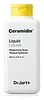
This barrier-repair toner is formulated around Panthenol and Centella Asiatica Extract to strengthen the skin barrier and hydrate skin.

What's inside
What's inside
 Key Ingredients
Benefits
Concerns
No concerns
Ingredients Side-by-side
Water
Skin ConditioningDipropylene Glycol
HumectantAlcohol
Antimicrobial




Betaine
Humectant


Propanediol
Solvent
Glycosyl Trehalose
Emulsion Stabilising1,2-Hexanediol
Skin Conditioning
Erythritol
Humectant
Pentylene Glycol
Skin Conditioning
Glycerin
Humectant
Hydrogenated Starch Hydrolysate
HumectantAcrylates/C10-30 Alkyl Acrylate Crosspolymer
Emulsion StabilisingTriethylhexanoin
MaskingDiphenyl Dimethicone
Emollient
Panthenol
Skin Conditioning
Butylene Glycol
Humectant
Hydrogenated Lecithin
Emulsifying
Centella Asiatica Extract
Cleansing

Ficus Carica Fruit Extract
Humectant
Melia Azadirachta Leaf Extract
Skin ConditioningTheobroma Cacao Seed Extract
Antioxidant
Amaranthus Caudatus Seed Extract
Skin Conditioning
Ulmus Davidiana Root Extract
Skin Conditioning
Curcuma Longa Root Extract
Antioxidant
Ocimum Sanctum Leaf Extract
Skin ConditioningCorallina Officinalis Extract
Skin Conditioning
Pyracantha Fortuneana Fruit Extract
Skin ConditioningCarbomer
Emulsion StabilisingCellulose Gum
Emulsion StabilisingSucrose Distearate
Emollient
Dipotassium Glycyrrhizate
Humectant
Ethylhexylglycerin
Skin ConditioningMethylpropanediol
SolventDisodium EDTA
ChelatingGlyceryl Polymethacrylate
Citrus Aurantium Bergamia Fruit Oil
Masking

C12-14 Pareth-12
EmulsifyingPolyglyceryl-10 Myristate
Skin Conditioning
Pelargonium Graveolens Flower Oil
Masking
Dextrin
AbsorbentGlyceryl Stearate
Emollient
Sodium Hyaluronate
Humectant
Salvia Officinalis Oil
Masking
Pogostemon Cablin Leaf Oil
Masking
Cholesterol
Emollient
Ceramide EOP
Skin Conditioning
Ceramide AP
Skin Conditioning
Ceramide As
Skin Conditioning
Ceramide Ns
Skin Conditioning
Water, Dipropylene Glycol, Alcohol, Betaine, Propanediol, Glycosyl Trehalose, 1,2-Hexanediol, Erythritol, Pentylene Glycol, Glycerin, Hydrogenated Starch Hydrolysate, Acrylates/C10-30 Alkyl Acrylate Crosspolymer, Triethylhexanoin, Diphenyl Dimethicone, Panthenol, Butylene Glycol, Hydrogenated Lecithin, Centella Asiatica Extract, Ficus Carica Fruit Extract, Melia Azadirachta Leaf Extract, Theobroma Cacao Seed Extract, Amaranthus Caudatus Seed Extract, Ulmus Davidiana Root Extract, Curcuma Longa Root Extract, Ocimum Sanctum Leaf Extract, Corallina Officinalis Extract, Pyracantha Fortuneana Fruit Extract, Carbomer, Cellulose Gum, Sucrose Distearate, Dipotassium Glycyrrhizate, Ethylhexylglycerin, Methylpropanediol, Disodium EDTA, Glyceryl Polymethacrylate, Citrus Aurantium Bergamia Fruit Oil, C12-14 Pareth-12, Polyglyceryl-10 Myristate, Pelargonium Graveolens Flower Oil, Dextrin, Glyceryl Stearate, Sodium Hyaluronate, Salvia Officinalis Oil, Pogostemon Cablin Leaf Oil, Cholesterol, Ceramide EOP, Ceramide AP, Ceramide As, Ceramide Ns
Water
Skin ConditioningPropanediol
Solvent
Bacillus/Soybean Ferment Extract
Skin ConditioningArbutin
Antioxidant


Polyglycerin-3
Humectant
1,2-Hexanediol
Skin Conditioning
PPG-13-Decyltetradeceth-24
EmulsifyingBetaine
Humectant
Sodium Polyacrylate
Absorbent
Avena Sativa Kernel Extract
Abrasive
Ethylhexylglycerin
Skin ConditioningDisodium EDTA
ChelatingAdenosine
Skin Conditioning
Hydroxypropyl Cyclodextrin
MaskingPhenoxyethanol
Preservative
Ingredients Explained
These ingredients are found in both products.
Ingredients higher up in an ingredient list are typically present in a larger amount.
1,2-Hexanediol is a synthetic liquid and another multi-functional powerhouse.
It is a:
- Humectant, drawing moisture into the skin
- Emollient, helping to soften skin
- Solvent, dispersing and stabilizing formulas
- Preservative booster, enhancing the antimicrobial activity of other preservatives
Betaine is a humectant. Like hyaluronic acid, it helps attract and retain moisture in the skin. It’s known for being gentle and for helping the skin maintain balanced hydration.
Betaine is mainly used to improve hydration and support calmer skin. It helps skin cells regulate water balance because it functions as an osmolyte.
Some studies suggest betaine may support making skin tone more even.
Fun fact: Betaine naturally exists in the skin and the body. In cosmetic products, it can be either plant-derived (most commonly from sugar beets) or synthetically produced for consistency and stability.
Betaine is also known as trimethylglycine.
Learn more about BetaineDisodium EDTA is a chelating agent. It grabs onto and deactivates metal ions that sneak into your products from water, packaging, or air.
This ingredient mainly works behind the scenes and helps with:
On top of that, this ingredient can counteract the effects of hard water by binding to the minerals in it.
One thing worth knowing is that Disodium EDTA has been shown to be a mild penetration enhancer. It can help other ingredients absorb into skin more effectively which can be a double-edged sword (great for actives, but can also make the active too strong if you have sensitive skin).
Clinical patch testing showed no significant skin irritation at typical use concentrations and minimal dermal absorption.
You'll most likely see this ingredient near the end of an ingredient list. It's typically found in concentrations less than 1%.
Learn more about Disodium EDTAEthylhexylglycerin is created from glycerin. It is a multitasker ingredient that:
The CIR Expert Panel found minimal skin absorption or sensitization of any kind in a safety assessment. Though this ingredient is considered well-tolerated, a small number of cases of allergic dermatitis have been published since 2002. Just be sure to patch test if you are unsure.
Industry-reported use ranges from 8% in rinse-off products and 2% in leave-on formulations.
Learn more about EthylhexylglycerinPropanediol is an all-star ingredient. It softens, hydrates, and smooths the skin.
It’s often used to:
Propanediol is not likely to cause sensitivity and considered safe to use. It is derived from corn or petroleum with a clear color and no scent.
Learn more about PropanediolWater. It's the most common cosmetic ingredient of all. You'll usually see it at the top of ingredient lists, meaning that it makes up the largest part of the product.
So why is it so popular? Water most often acts as a solvent - this means that it helps dissolve other ingredients into the formulation.
You'll also recognize water as that liquid we all need to stay alive. If you see this, drink a glass of water. Remember to stay hydrated!
Learn more about Water

