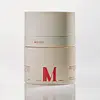
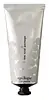
Dr. Diamond's Metacine InstaFacial Emulsion Versus epi.logic The Total Package Fortifying Peptide Cream
This anti-aging emulsion is formulated around Niacinamide and Nicotiana Benthamiana Hexapeptide-40 Sh-Oligopeptide-1 to soften the look of wrinkles and refine skin texture.
This barrier-repair moisturizer is formulated around Niacinamide and Palmitoyl Tripeptide-38 to strengthen the skin barrier and soften the look of wrinkles.

What's inside
What's inside
 Key Ingredients
Benefits
Concerns
Ingredients Side-by-side
Water
Skin ConditioningDimethicone
Emollient

Glycerin
Humectant

Butylene Glycol
Humectant
Dimethicone Crosspolymer
Emulsion Stabilising
Niacinamide
Smoothing









Hydroxyethyl Acrylate/Sodium Acryloyldimethyl Taurate Copolymer
Emulsion StabilisingMacadamia Integrifolia Seed Oil
Skin Conditioning


Nicotiana Benthamiana Hexapeptide-40 Sh-Oligopeptide-1
Skin Conditioning
Myristoyl Nonapeptide-3
Skin Conditioning
Palmitoyl Tetrapeptide-7
Skin Conditioning
Camellia Sinensis Leaf Extract
Antimicrobial
Dimethicone/PEG-10/15 Crosspolymer
Sodium Acetylated Hyaluronate
Humectant
Hydrolyzed Sodium Hyaluronate
Skin Conditioning
Sodium Hyaluronate
Humectant
Hydroxypinacolone Retinoate
Skin Conditioning
Tocopheryl Acetate
Antioxidant
Phospholipids
Skin Conditioning
Sodium Phytate
Squalane
Emollient
Cyclic Lysophosphatidic Acid
HumectantSodium Carboxymethyl Beta-Glucan
CleansingGlycyrrhetinic Acid
Skin Conditioning
Lecithin
Emollient
Dimethiconol
Emollient
Citric Acid
Buffering
Hydroxypropyl Cyclodextrin
MaskingDimethyl Isosorbide
SolventPentylene Glycol
Skin Conditioning
Caprylyl Glycol
Emollient
Ethylhexylglycerin
Skin Conditioning
Chlorphenesin
Antimicrobial
Polysorbate 60
Emulsifying
Phenoxyethanol
Preservative
Water, Dimethicone, Glycerin, Butylene Glycol, Dimethicone Crosspolymer, Niacinamide, Hydroxyethyl Acrylate/Sodium Acryloyldimethyl Taurate Copolymer, Macadamia Integrifolia Seed Oil, Nicotiana Benthamiana Hexapeptide-40 Sh-Oligopeptide-1, Myristoyl Nonapeptide-3, Palmitoyl Tetrapeptide-7, Camellia Sinensis Leaf Extract, Dimethicone/PEG-10/15 Crosspolymer, Sodium Acetylated Hyaluronate, Hydrolyzed Sodium Hyaluronate, Sodium Hyaluronate, Hydroxypinacolone Retinoate, Tocopheryl Acetate, Phospholipids, Sodium Phytate, Squalane, Cyclic Lysophosphatidic Acid, Sodium Carboxymethyl Beta-Glucan, Glycyrrhetinic Acid, Lecithin, Dimethiconol, Citric Acid, Hydroxypropyl Cyclodextrin, Dimethyl Isosorbide, Pentylene Glycol, Caprylyl Glycol, Ethylhexylglycerin, Chlorphenesin, Polysorbate 60, Phenoxyethanol
Water
Skin ConditioningGlycerin
Humectant
C13-15 Alkane
SolventSqualane
Emollient
Octyldodecanol
Emollient
Niacinamide
Smoothing
Polyglyceryl-4 Oleate
Emulsifying
Butyrospermum Parkii Butter
Skin Conditioning

Caprylic/Capric Triglyceride
Masking
Magnesium Sulfate
Polyglyceryl-6 Oleate
Emulsifying
Polyhydroxystearic Acid
Emulsifying
Sodium Hyaluronate
Humectant
Palmitoyl Tripeptide-38
Skin Conditioning
Sh-Polypeptide-121
Skin Conditioning
Laminaria Digitata Extract
Skin Protecting
Ceramide NP
Skin Conditioning
Gluconolactone
Skin Conditioning
Disteardimonium Hectorite
StabilisingBakuchiol
Antimicrobial
Propylene Carbonate
SolventSilybum Marianum Seed Extract
Skin ConditioningArtemisia Capillaris Flower Extract
Skin ConditioningTriolein
Skin Conditioning
Glyceryl Dioleate
Emollient
Sodium PCA
Humectant
Sodium Lactate
Buffering
Calcium Gluconate
HumectantHydroxypropyl Cyclodextrin
MaskingArginine
Masking
Aspartic Acid
Masking
PCA
Humectant
Glycine
Buffering
Alanine
Masking
Tocopherol
Antioxidant
Serine
Masking
Valine
MaskingIsoleucine
Skin ConditioningProline
Skin Conditioning
Threonine
Histidine
Humectant
Phenylalanine
Masking
Ubiquinone
Antioxidant
Superoxide Dismutase
Antioxidant
Propanediol
Solvent
Xanthan Gum
EmulsifyingSalvia Hispanica Seed Oil
Emollient
Boswellia Carterii Resin Extract
MaskingLactic Acid
Buffering
Potassium Sorbate
Preservative
Sodium Benzoate
Masking
Water, Glycerin, C13-15 Alkane, Squalane, Octyldodecanol, Niacinamide, Polyglyceryl-4 Oleate, Butyrospermum Parkii Butter, Caprylic/Capric Triglyceride, Magnesium Sulfate, Polyglyceryl-6 Oleate, Polyhydroxystearic Acid, Sodium Hyaluronate, Palmitoyl Tripeptide-38, Sh-Polypeptide-121, Laminaria Digitata Extract, Ceramide NP, Gluconolactone, Disteardimonium Hectorite, Bakuchiol, Propylene Carbonate, Silybum Marianum Seed Extract, Artemisia Capillaris Flower Extract, Triolein, Glyceryl Dioleate, Sodium PCA, Sodium Lactate, Calcium Gluconate, Hydroxypropyl Cyclodextrin, Arginine, Aspartic Acid, PCA, Glycine, Alanine, Tocopherol, Serine, Valine, Isoleucine, Proline, Threonine, Histidine, Phenylalanine, Ubiquinone, Superoxide Dismutase, Propanediol, Xanthan Gum, Salvia Hispanica Seed Oil, Boswellia Carterii Resin Extract, Lactic Acid, Potassium Sorbate, Sodium Benzoate
Ingredients Explained
These ingredients are found in both products.
Ingredients higher up in an ingredient list are typically present in a larger amount.
Glycerin (or glycerol) is a compound naturally found in your skin. It's a powerhouse humectant that pulls water into the stratum corneum.
Topically, glycerin does several things at once:
Your skin makes glycerin on its own (mostly from sebaceous oil breakdown) and shuttles it to your outermost layer of skin, or your epidermis, via aquaporin-3.
Aquaporin-3 is a transporter that is essential for normal skin hydration, elasticity, and repair. Interestingly, mice lacking in AQP3 have dry and less elastic skin that can be fully corrected with glycerin.
This ingredient is non-irritating, plays well with almost every ingredient, and works across all skin types. Typical use is anywhere between 3-10% but can go up to 79% in some leave-on products.
Just know very high concentrations (>40%) can feel tacky in low humidity.
Glycerin is the name for this ingredient in American English. British English uses Glycerol/Glycerine.
Learn more about GlycerinThis ingredient is used in skincare as a delivery system.
It works by "encapsulating" active ingredients with its unique ring shape that is water-loving on the outside and oil-loving on the inside. This improves the stability and absorption of the product into the skin.
According to a manufacturer, it also offer some moisturizing effects.
Learn more about Hydroxypropyl CyclodextrinNiacinamide is a multitasking form of vitamin B3 that strengthens the skin barrier, reduces pores and dark spots, regulates oil, and improves signs of aging.
And the best part? It's gentle and well-tolerated by most skin types, including sensitive and reactive skin.
You might have heard of "niacin flush", or the reddening of skin that causes itchiness. Niacinamide has not been found to cause this.
In very rare cases, some individuals may not be able to tolerate niacinamide at all or experience an allergic reaction to it.
If you are experiencing flaking, irritation, and dryness with this ingredient, be sure to double check all your products as this ingredient can be found in all categories of skincare.
When incorporating niacinamide into your routine, look out for concentration amounts. Typically, 5% niacinamide provides benefits such as fading dark spots. However, if you have sensitive skin, it is better to begin with a smaller concentration.
When you apply niacinamide to your skin, your body converts it into nicotinamide adenine dinucleotide (NAD). NAD is an essential coenzyme that is already found in your cells as "fuel" and powers countless biological processes.
In your skin, NAD helps repair cell damage, produce new healthy cells, support collagen production, strengthen the skin barrier, and fight environmental stressors (like UV and pollution).
Our natural NAD levels start to decline with age, leading to slower skin repair, visible aging, and a weaker skin barrier. By providing your skin niacinamide, you're recharging your skin's NAD levels. This leads to stronger, healthier, and younger looking skin.
Another name for vitamin B3 is nicotinamide. This vitamin is water-soluble and our bodies don't store it. We obtain Vitamin B3 from either food or skincare. Meat, fish, wheat, yeast, and leafy greens contain vitamin B3.
The type of niacinamide used in skincare is synthetically created.
Learn more about NiacinamideSodium Hyaluronate is the salt form of hyaluronic acid. It is a long sugar chain that is naturally found in your skin, joints, and connective tissue that maintains hydration and elasticity.
In skincare, it works as a humectant. It pulls water from the environment and deeper layers of skin and binds it to the surface.
Interestingly, the size of the molecule affects its behavior:
Some clinical evidence links low molecular weight versions to improved wrinkle depth, elasticity, anti-inflammatory effects, and barrier repair.
Many serums use a blend of both weights so you can get surface hydration plus longer-lasting and deeper effects.
You'll typically see concentrations between 0.1-2% for this ingredient.
Learn more about Sodium HyaluronateSqualane is the hydrogenated and shelf-stable form of squalene (a lipid that naturally occurs in human sebum).
It is an emollient and skin conditioning agent that is able to integrate seamlessly into the skin's lipid barrier without clogging pores.
This is due to how structurally similar it is to what your skin already produces.
Though it is mostly an emollient that helps soften and hydrate skin, it also has some humectant and occlusive action. Humectants help the skin retain moisture while occlusives seal it in, making squalane a triple-threat moisturizer.
Research shows it has antioxidant capabilities that help protect against stressors like UV exposure, specifically UVA induced oxidative stress. This study also found that it supports collagen biosynthesis in human dermal fibroblasts.
No clinical study has reported significant adverse effects and irritation reactions are very rare from this ingredient (even at 100% concentration).
Overall, it's a fantastic ingredient for hydration and is suitable for all skin types.
This depends on the source. Squalane can be derived from both plants and animals. Most squalane used in skincare comes from plants.
Please note: the source of squalane is only known if disclosed by the brand. We recommend reaching out to the brand if you have any questions about their squalane.
Read more about squalene with an "e".
Though squalane is often called an oil, it’s technically not one. It is a hydrocarbon, meaning it is only made of carbon and hydrogen. True oils are triglycerides and made of fatty acids and glycerol.
The term “oil-free” isn’t regulated so companies can define it however they want. Some exclude all oils, while others just avoid mineral oil or comedogenic oils.
Squalane has a comedogenic rating of 1 from the original 1972 study that tested raw ingredients under occlusion on rabbit ears. This system is not standardized or peer-reviewed, and using the raw ingredients is very different from how diluted cosmetic formulations are used on human skin.
A comedogenic rating of 1 means it is "unlikely to clog pores" according to the original rating system.
The overall formula of a product matters more than the individual ingredients on whether or not it will cause clogged pores.
Learn more about SqualaneWater. It's the most common cosmetic ingredient of all. You'll usually see it at the top of ingredient lists, meaning that it makes up the largest part of the product.
So why is it so popular? Water most often acts as a solvent - this means that it helps dissolve other ingredients into the formulation.
You'll also recognize water as that liquid we all need to stay alive. If you see this, drink a glass of water. Remember to stay hydrated!
Learn more about Water

