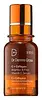
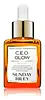
Dr. Dennis Gross Skincare C+ Collagen Brighten & Firm Vitamin C Serum Versus Sunday Riley C.E.O Glow Vitamin C + Turmeric Face Oil
This brightening serum is formulated around 3-O-Ethyl Ascorbic Acid and Niacinamide to brighten dull-looking skin and soften the look of wrinkles.
This brightening oil is formulated around Tetrahexyldecyl Ascorbate to brighten dull-looking skin.

What's inside
What's inside
 Key Ingredients
Benefits
Concerns
Ingredients Side-by-side
Water
Skin ConditioningGlycerin
Humectant


3-O-Ethyl Ascorbic Acid
Skin Conditioning




Niacinamide
Smoothing





Glycereth-7 Triacetate
EmollientLactic Acid
Buffering



Sd Alcohol 40-B
Astringent

Hydroxyethylcellulose
Emulsion StabilisingDimethyl Isosorbide
SolventAscorbic Acid
Antioxidant
Collagen Amino Acids
Moisturising
Superoxide Dismutase
Antioxidant
Glycine
Buffering
Carnitine Hcl
HumectantUbiquinone
Antioxidant
Hexylresorcinol
Antimicrobial
Emblica Officinalis Fruit Extract
Skin ConditioningHydrolyzed Soy Protein
Humectant
Tetrahexyldecyl Ascorbate
Antioxidant
Isoquercetin
Antioxidant
Mandelic Acid
Antimicrobial
Pueraria Lobata Root Extract
HumectantCurcuma Longa Root Extract
Antioxidant
Phytic Acid
Chelating
Citric Acid
Buffering
Tetrasodium EDTA
ChelatingSodium Citrate
BufferingButylene Glycol
Humectant
Xanthan Gum
EmulsifyingPolysorbate 20
Emulsifying
T-Butyl Alcohol
Perfuming
Sodium Hydroxide
BufferingPolysorbate 80
Emulsifying
Denatonium Benzoate
Masking
Benzyl Alcohol
Perfuming

Phenoxyethanol
Preservative
Sodium Benzoate
Masking
Potassium Sorbate
Preservative
Water, Glycerin, 3-O-Ethyl Ascorbic Acid, Niacinamide, Glycereth-7 Triacetate, Lactic Acid, Sd Alcohol 40-B, Hydroxyethylcellulose, Dimethyl Isosorbide, Ascorbic Acid, Collagen Amino Acids, Superoxide Dismutase, Glycine, Carnitine Hcl, Ubiquinone, Hexylresorcinol, Emblica Officinalis Fruit Extract, Hydrolyzed Soy Protein, Tetrahexyldecyl Ascorbate, Isoquercetin, Mandelic Acid, Pueraria Lobata Root Extract, Curcuma Longa Root Extract, Phytic Acid, Citric Acid, Tetrasodium EDTA, Sodium Citrate, Butylene Glycol, Xanthan Gum, Polysorbate 20, T-Butyl Alcohol, Sodium Hydroxide, Polysorbate 80, Denatonium Benzoate, Benzyl Alcohol, Phenoxyethanol, Sodium Benzoate, Potassium Sorbate
Rubus Idaeus Seed Oil
Emollient
Neopentyl Glycol Diethylhexanoate
Emollient
Caprylyl Caprylate/Caprate
Emollient
Simmondsia Chinensis Seed Oil
Emollient
Cucumis Sativus Seed Oil
Emollient
Punica Granatum Seed Oil
Emollient
Vaccinium Macrocarpon Seed Oil
Skin Conditioning
Oenothera Biennis Oil
Emollient
Octyldodecanol
Emollient
Tetrahexyldecyl Ascorbate
Antioxidant
Curcuma Longa Root Extract
Antioxidant
Helianthus Annuus Seed Oil Unsaponifiables
Emollient
Citrus Aurantium Amara Flower Oil
Masking
Melia Azadirachta Leaf Extract
Skin ConditioningEclipta Prostrata Extract
Skin Conditioning
Moringa Oleifera Seed Oil
Emollient
Tocopherol
Antioxidant
Helianthus Annuus Seed Oil
Emollient
Pentylene Glycol
Skin Conditioning
4-T-Butylcyclohexanol
Masking
Ribes Nigrum Seed Oil
Emollient
Bisabolol
Antioxidant
Cetylhydroxyproline Palmitamide
Skin ConditioningHexyldecanol
Emollient
Hydroxyphenyl Propamidobenzoic Acid
Skin ConditioningStearic Acid
Cleansing
Brassica Campestris Sterols
EmollientCardiospermum Halicacabum Flower/Leaf/Vine Extract
Skin ConditioningZingiber Officinale Root Extract
Masking
Rosmarinus Officinalis Leaf Extract
AntimicrobialRubus Idaeus Seed Oil, Neopentyl Glycol Diethylhexanoate, Caprylyl Caprylate/Caprate, Simmondsia Chinensis Seed Oil, Cucumis Sativus Seed Oil, Punica Granatum Seed Oil, Vaccinium Macrocarpon Seed Oil, Oenothera Biennis Oil, Octyldodecanol, Tetrahexyldecyl Ascorbate, Curcuma Longa Root Extract, Helianthus Annuus Seed Oil Unsaponifiables, Citrus Aurantium Amara Flower Oil, Melia Azadirachta Leaf Extract, Eclipta Prostrata Extract, Moringa Oleifera Seed Oil, Tocopherol, Helianthus Annuus Seed Oil, Pentylene Glycol, 4-T-Butylcyclohexanol, Ribes Nigrum Seed Oil, Bisabolol, Cetylhydroxyproline Palmitamide, Hexyldecanol, Hydroxyphenyl Propamidobenzoic Acid, Stearic Acid, Brassica Campestris Sterols, Cardiospermum Halicacabum Flower/Leaf/Vine Extract, Zingiber Officinale Root Extract, Rosmarinus Officinalis Leaf Extract
Reviews
Ingredients Explained
These ingredients are found in both products.
Ingredients higher up in an ingredient list are typically present in a larger amount.
Curcuma Longa Root Extract comes from the rhizome (underground stem) of the turmeric plant.
While the official EU Cosing Database lists this ingredient as a fragrance, it actually does more than give products a scent.
This ingredient contains a group of yellow pigments called curcuminoids (mostly curcumin) that give it genuine antioxidant and anti-inflammatory activity in skin.
Reviews of topical clinical studies have found turmeric/curcumin to be generally well-tolerated and useful across conditions like eczema and mild inflammation.
One thing working in its favor is that curcumin barely penetrates; in lab skin-permeation testing, the curcuminoids mostly stayed in the outermost layer of skin. This is a good thing because its soothing and antioxidant activity is a surface-level job anyway.
At this time, industry data shows there's no single "correct" cosmetic percentage. It's used across a wide range depending on the product and varies from tiny fractions of a percent up to a few percent.
Allergy-wise, curcumin is a documented (but uncommon) contact allergen. It can also cross react with related plants, so anyone with a turmeric/ginger/cinnamon allergy or reactive skin should patch test first.
Learn more about Curcuma Longa Root ExtractTetrahexyldecyl Ascorbate (THD) is a stable and oil-soluble form of Vitamin C.
THD is special in that it has the ability to travel deeper into skin than traditional ascorbic acid while maintaining the same skin benefits (double win!).
Because it’s oil-soluble, THD dives deep into your skin’s fatty layers (think ceramides and cholesterol) to fight off the kind of free radicals that mess with your skin barrier. This makes it a great pair with water-based vitamin C (ascorbic acid) that mainly works on the surface.
Even at just 0.1%, THD is already showing great antioxidant activity. When used up to 2%, it helps keep your skin happy and calm, especially when it’s stressed from pollution or sun.
Want to fade dark spots or tackle hyperpigmentation? You’ll want 5% or more. Pairing it with brightening buddies like niacinamide or licorice root gives even better results. One study even used 30% THD with other brighteners and saw real results on stubborn discoloration, even in melasma-prone skin.
A note on THD: It’s has a slightly silky, oily texture and usually shows up colorless or pale yellow (though the exact shade can vary by supplier).
While you can sneak it into water-based formulas, it really shines when paired with silicones or oils, which help your skin soak it up better.
THD is pretty stable, but it’s still vulnerable to degradation like ascorbic acid. Too much light or heat (above 113°F / 45°C) can break it down over time. Go for dark and opaque packaging that keeps it safe and shady!
Read more about other types of Vitamin C:
Learn more about Tetrahexyldecyl Ascorbate

