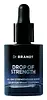
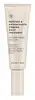
Dr. Brandt Skincare Drop of Strength All Day Strengthening Serum Versus Allies of Skin Peptide & Antioxidants Firming Daily Treatment
This barrier-repair serum is formulated around Sodium Hyaluronate to strengthen the skin barrier and hydrate skin.
This anti-aging moisturizer is formulated around Niacinamide and Tetrahexyldecyl Ascorbate to soften the look of wrinkles and calm redness.

What's inside
What's inside
 Key Ingredients
Benefits
Concerns
Ingredients Side-by-side
Water
Skin ConditioningIsopentyldiol
Humectant
Glycerin
Humectant

Pentylene Glycol
Skin Conditioning
Diglycerin
Humectant
1,2-Hexanediol
Skin Conditioning
Caprylic/Capric Triglyceride
Masking
Caprylyl Glycol
Emollient
Caprylyl/Capryl Glucoside
CleansingCitric Acid
Buffering


Glyceryl Caprylate
EmollientPolyglyceryl-6 Oleate
Emulsifying
Punica Granatum Pericarp Extract
Skin ConditioningRubus Idaeus Leaf Extract
Skin ConditioningSodium Citrate
BufferingSodium Cocoyl Glutamate
Cleansing
Sodium Hyaluronate
Humectant


Sodium Surfactin
CleansingXanthan Gum
EmulsifyingYeast Extract
Skin ConditioningSodium Benzoate
Masking
Water, Isopentyldiol, Glycerin, Pentylene Glycol, Diglycerin, 1,2-Hexanediol, Caprylic/Capric Triglyceride, Caprylyl Glycol, Caprylyl/Capryl Glucoside, Citric Acid, Glyceryl Caprylate, Polyglyceryl-6 Oleate, Punica Granatum Pericarp Extract, Rubus Idaeus Leaf Extract, Sodium Citrate, Sodium Cocoyl Glutamate, Sodium Hyaluronate, Sodium Surfactin, Xanthan Gum, Yeast Extract, Sodium Benzoate
Water
Skin ConditioningGlycerin
Humectant
Caprylic/Capric Triglyceride
Masking
Isononyl Isononanoate
EmollientCaffeine
Skin Conditioning
C12-15 Alkyl Benzoate
AntimicrobialNiacinamide
Smoothing





Lactobacillus Ferment
Skin Conditioning
Cetearyl Olivate
Butylene Glycol
Humectant
Polysorbate 60
Emulsifying
Tetrahexyldecyl Ascorbate
Antioxidant

Marrubium Vulgare Extract
Skin ConditioningPlantago Lanceolata Leaf Extract
AntimicrobialPalmitoyl Tripeptide-5
Skin Conditioning
Acetyl Tetrapeptide-40
Skin Conditioning
Palmitoyl Tripeptide-8
Skin Conditioning
Hydrolyzed Verbascum Thapsus Flower
Antioxidant
Moringa Oleifera Seed Extract
Skin Conditioning
Teprenone
Skin ConditioningPhospholipids
Skin Conditioning
Hyaluronic Acid
Humectant
Syringa Vulgaris Leaf Cell Culture Extract
Skin ConditioningSphingolipids
Emollient
Astaxanthin
Skin Conditioning
Bisabolol
Antioxidant
Euterpe Oleracea Fruit Oil
Skin Conditioning
Rubus Idaeus Seed Oil
Emollient
Honey
Humectant
Dimethyl Isosorbide
SolventCeramide NP
Skin Conditioning
Phenyl T-Butylnitrone
Antioxidant
Tocopherol
Antioxidant
Glutathione
Tetrahydrodiferuloylmethane
Antioxidant
Tetrahydrodemethoxydiferuloylmethane
Antioxidant
Tetrahydrobisdemethoxydiferuloylmethane
Antioxidant
Ergothioneine
Antioxidant
Xanthan Gum
EmulsifyingCaprylyl Glycol
Emollient
Carbomer
Emulsion StabilisingSorbitan Olivate
Emulsifying
Benzimidazole Diamond Amidoethyl Urea Carbamoyl Propyl Polymethylsilsesquioxane
Cosmetic Colorant
Mica
Cosmetic ColorantDextran
Citric Acid
Buffering
Sodium Hydroxide
BufferingAcrylamide/Sodium Acryloyldimethyltaurate Copolymer
Emulsion StabilisingCI 77891
Cosmetic ColorantEthylhexylglycerin
Skin ConditioningIsohexadecane
EmollientMaltodextrin
Absorbent
Polysorbate 80
Emulsifying
Acetyl Tributyl Citrate
Masking

Tetrasodium EDTA
ChelatingSorbitan Oleate
Emulsifying

Sodium Benzoate
Masking
Potassium Sorbate
Preservative
Sodium Glycolate
BufferingPolysorbate 20
Emulsifying
Phenoxyethanol
Preservative
O-Cymen-5-Ol
Antimicrobial
Water, Glycerin, Caprylic/Capric Triglyceride, Isononyl Isononanoate, Caffeine, C12-15 Alkyl Benzoate, Niacinamide, Lactobacillus Ferment, Cetearyl Olivate, Butylene Glycol, Polysorbate 60, Tetrahexyldecyl Ascorbate, Marrubium Vulgare Extract, Plantago Lanceolata Leaf Extract, Palmitoyl Tripeptide-5, Acetyl Tetrapeptide-40, Palmitoyl Tripeptide-8, Hydrolyzed Verbascum Thapsus Flower, Moringa Oleifera Seed Extract, Teprenone, Phospholipids, Hyaluronic Acid, Syringa Vulgaris Leaf Cell Culture Extract, Sphingolipids, Astaxanthin, Bisabolol, Euterpe Oleracea Fruit Oil, Rubus Idaeus Seed Oil, Honey, Dimethyl Isosorbide, Ceramide NP, Phenyl T-Butylnitrone, Tocopherol, Glutathione, Tetrahydrodiferuloylmethane, Tetrahydrodemethoxydiferuloylmethane, Tetrahydrobisdemethoxydiferuloylmethane, Ergothioneine, Xanthan Gum, Caprylyl Glycol, Carbomer, Sorbitan Olivate, Benzimidazole Diamond Amidoethyl Urea Carbamoyl Propyl Polymethylsilsesquioxane, Mica, Dextran, Citric Acid, Sodium Hydroxide, Acrylamide/Sodium Acryloyldimethyltaurate Copolymer, CI 77891, Ethylhexylglycerin, Isohexadecane, Maltodextrin, Polysorbate 80, Acetyl Tributyl Citrate, Tetrasodium EDTA, Sorbitan Oleate, Sodium Benzoate, Potassium Sorbate, Sodium Glycolate, Polysorbate 20, Phenoxyethanol, O-Cymen-5-Ol
Reviews
Ingredients Explained
These ingredients are found in both products.
Ingredients higher up in an ingredient list are typically present in a larger amount.
Caprylic/Capric Triglyceride (aka MCT Oil) is a lightweight emollient, solvent, and texture enhancer. It is considered a skin-softener by helping to prevent moisture loss.
Though it behaves like an oil, it is not technically one due to its chemical composition. One perk of this ingredient is that it is very stable, resistant to oxidation, and unlikely to go rancid.
In practice, that translates to a long shelf life and a consistently elegant skin feel.
While there is an assumption Caprylic Triglyceride can clog pores due to it being derived from coconut oil, there is no research supporting this. Just patch test if you have concerns.
Fractionated coconut oil and MCT Oil are both listed as Caprylic/Capric Triglyceride according to INCI. This is because INCI names are based on the ingredient’s final chemical composition and not its marketing name or source.
This ingredient is treated as the gold standard fungal acne safe oil. Even though it is coconut derived, the problematic lauric acid is stripped out.
This leaves just caprylic (C8) and capric (C10) acid. These chain lengths actually trend antifungal; a 2020 study found caprylic acid was enough to disrupt Malassezia furfur cell membrane, with a caprylic acid derivative damaging membrane structures at concentrations as low as 0.2%.
Learn more about Caprylic/Capric TriglycerideCaprylyl Glycol is a humectant, skin conditioner, emollient, and preservative booster derived from either caprylic acid or synthetically created.
Typical use levels vary from 0.3-1% as a preservative booster and go up to 2% to condition skin.
Because it is not a free-fatty acid, this ingredient is fungal acne safe (there's nothing for Malassezia to feed on).
Learn more about Caprylyl GlycolCitric Acid is an alpha hydroxy acid (AHA) naturally found in citrus fruits like oranges, lemons, and limes.
Like other AHAs, citric acid can exfoliate skin by breaking down the bonds that hold dead skin cells together. This helps reveal smoother and brighter skin underneath.
However, this exfoliating effect only happens at high concentrations (20%) which can be hard to find in cosmetic products.
Due to this, citric acid is usually included in small amounts as a pH adjuster. This helps keep products slightly more acidic and compatible with skin's natural pH.
In skincare formulas, citric acid can:
While it can provide some skin benefits, research shows lactic acid and glycolic acid are generally more effective and less irritating exfoliants.
Most citric acid used in skincare today is made by fermenting sugars (usually from molasses). This synthetic version is identical to the natural citrus form but easier to stabilize and use in formulations.
Rosacea skin has a lower threshold for acids generally, with 62.5% of rosacea subjects in one study reacting to lactic acid in a sting test. This is why we mark citric acid as a potential rosacea trigger.
However, this ingredient shows up as a pH adjuster or chelator at roughly 0.1-1% in many products. These low levels are unlikely to be an issue for rosacea skin and becomes a potential trigger at exfoliating concentrations (20%). Because everybody's skin is unique, we recommend a patch test if you are unsure.
Learn more about Citric AcidGlycerin (or glycerol) is a compound naturally found in your skin. It's a powerhouse humectant that pulls water into the stratum corneum.
Topically, glycerin does several things at once:
Your skin makes glycerin on its own (mostly from sebaceous oil breakdown) and shuttles it to your outermost layer of skin, or your epidermis, via aquaporin-3.
Aquaporin-3 is a transporter that is essential for normal skin hydration, elasticity, and repair. Interestingly, mice lacking in AQP3 have dry and less elastic skin that can be fully corrected with glycerin.
This ingredient is non-irritating, plays well with almost every ingredient, and works across all skin types. Typical use is anywhere between 3-10% but can go up to 79% in some leave-on products.
Just know very high concentrations (>40%) can feel tacky in low humidity.
Glycerin is the name for this ingredient in American English. British English uses Glycerol/Glycerine.
Learn more about GlycerinSodium Benzoate is a preservative. It's used in both cosmetic and food products to inhibit the growth of mold and bacteria. It is typically produced synthetically.
Both the US FDA and EU Health Committee have approved the use of sodium benzoate. In the US, levels of 0.1% (of the total product) are allowed.
Sodium benzoate works as a preservative by inhibiting the growth of bacteria inside of cells. It prevents the cell from fermenting a type of sugar using an enzyme called phosphofructokinase.
It is the salt of benzoic acid. Foods containing sodium benzoate include soda, salad dressings, condiments, fruit juices, wines, and snack foods.
Studies for using ascorbic acid and sodium benzoate in cosmetics are lacking, especially in skincare routines with multiple steps.
We always recommend speaking with a professional, such as a dermatologist, if you have any concerns.
Learn more about Sodium BenzoateWater. It's the most common cosmetic ingredient of all. You'll usually see it at the top of ingredient lists, meaning that it makes up the largest part of the product.
So why is it so popular? Water most often acts as a solvent - this means that it helps dissolve other ingredients into the formulation.
You'll also recognize water as that liquid we all need to stay alive. If you see this, drink a glass of water. Remember to stay hydrated!
Learn more about WaterXanthan gum is used as a stabilizer and thickener within cosmetic products. It helps give products a sticky, thick feeling - preventing them from being too runny.
On the technical side of things, xanthan gum is a polysaccharide - a combination consisting of multiple sugar molecules bonded together.
Xanthan gum is a pretty common and great ingredient. It is a natural, non-toxic, non-irritating ingredient that is also commonly used in food products.
Learn more about Xanthan Gum

