

What's inside
What's inside
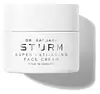 Key Ingredients
Benefits
Concerns
Ingredients Side-by-side
Water
Skin ConditioningCaprylic/Capric Triglyceride
Masking


Decyl Oleate
Emollient


Butyrospermum Parkii Butter
Skin Conditioning
Glycerin
Humectant
Hydrogenated Lecithin
Emulsifying
Pentylene Glycol
Skin Conditioning
Lactobacillus/Portulaca Oleracea Ferment Extract
Antioxidant
Olea Europaea Fruit Oil
Masking

Persea Gratissima Oil
Skin Conditioning
Tocopheryl Acetate
Antioxidant

Ceramide NP
Skin Conditioning



Sodium Hyaluronate
Humectant
Polygonum Bistorta Root Extract
Skin ConditioningLeuconostoc/Radish Root Ferment Filtrate
Antimicrobial
Plankton Extract
Skin ConditioningPhenoxyethanol
Preservative
Panthenol
Skin Conditioning
C12-16 Alcohols
EmollientPalmitic Acid
Emollient
Squalane
Emollient
Xanthan Gum
EmulsifyingCarbomer
Emulsion StabilisingEthylhexylglycerin
Skin ConditioningHelianthus Annuus Seed Oil
Emollient
Tocopherol
Antioxidant
Teprenone
Skin ConditioningSodium Hydroxide
BufferingHexylene Glycol
EmulsifyingPantolactone
Humectant
Caprylyl Glycol
Emollient
Citric Acid
Buffering

Water, Caprylic/Capric Triglyceride, Decyl Oleate, Butyrospermum Parkii Butter, Glycerin, Hydrogenated Lecithin, Pentylene Glycol, Lactobacillus/Portulaca Oleracea Ferment Extract, Olea Europaea Fruit Oil, Persea Gratissima Oil, Tocopheryl Acetate, Ceramide NP, Sodium Hyaluronate, Polygonum Bistorta Root Extract, Leuconostoc/Radish Root Ferment Filtrate, Plankton Extract, Phenoxyethanol, Panthenol, C12-16 Alcohols, Palmitic Acid, Squalane, Xanthan Gum, Carbomer, Ethylhexylglycerin, Helianthus Annuus Seed Oil, Tocopherol, Teprenone, Sodium Hydroxide, Hexylene Glycol, Pantolactone, Caprylyl Glycol, Citric Acid
Water
Skin ConditioningGlycerin
Humectant
Helianthus Annuus Seed Oil
Emollient
PEG-40 Hydrogenated Castor Oil
Emulsifying
Cyclopentasiloxane
Emollient
Butylene Glycol
Humectant
Cetearyl Alcohol
Emollient
Limnanthes Alba Seed Oil
Skin Conditioning
Mangifera Indica Seed Butter
Skin Conditioning
Dimethicone
Emollient
Glyceryl Stearate
Emollient
Ceteareth-20
CleansingButyrospermum Parkii Butter
Skin Conditioning
Methylsilanol Mannuronate
Skin ConditioningCycloastragenol
Ceramide Ns
Skin Conditioning
Myristoyl Tetrapeptide-12
Skin Conditioning
Myristoyl Pentapeptide-11
Skin Conditioning
Palmitoyl Pentapeptide-4
Skin Conditioning
Myristoyl Pentapeptide-8
Skin Conditioning
Sh-Polypeptide-3
Skin Conditioning
Sh-Polypeptide-22
Skin Conditioning
Sh-Oligopeptide-1
Skin Conditioning
Panthenol
Skin Conditioning
Sodium Hyaluronate
Humectant
Linoleic Acid
Cleansing
Linolenic Acid
Cleansing
Camellia Oleifera Leaf Extract
AstringentAllantoin
Skin Conditioning
Ubiquinone
Antioxidant
Tocopheryl Acetate
Antioxidant
Tocopherol
Antioxidant
Magnesium Aluminum Silicate
Absorbent
Dimethicone/Vinyl Dimethicone Crosspolymer
Skin Conditioning
Xanthan Gum
EmulsifyingGlycine Soja Oil
Emollient
Hydrogenated Lecithin
Emulsifying
Carbomer
Emulsion StabilisingPolysorbate 20
Emulsifying
Yeast Polysaccharides
Skin ConditioningSodium Lactate
Buffering
Caprylyl Glycol
Emollient
Ethylhexylglycerin
Skin ConditioningHexylene Glycol
EmulsifyingCitric Acid
Buffering
Quartz
Abrasive
Sodium Oleate
CleansingDisodium EDTA
Sorbic Acid
Preservative
Phenoxyethanol
Preservative
Water, Glycerin, Helianthus Annuus Seed Oil, PEG-40 Hydrogenated Castor Oil, Cyclopentasiloxane, Butylene Glycol, Cetearyl Alcohol, Limnanthes Alba Seed Oil, Mangifera Indica Seed Butter, Dimethicone, Glyceryl Stearate, Ceteareth-20, Butyrospermum Parkii Butter, Methylsilanol Mannuronate, Cycloastragenol, Ceramide Ns, Myristoyl Tetrapeptide-12, Myristoyl Pentapeptide-11, Palmitoyl Pentapeptide-4, Myristoyl Pentapeptide-8, Sh-Polypeptide-3, Sh-Polypeptide-22, Sh-Oligopeptide-1, Panthenol, Sodium Hyaluronate, Linoleic Acid, Linolenic Acid, Camellia Oleifera Leaf Extract, Allantoin, Ubiquinone, Tocopheryl Acetate, Tocopherol, Magnesium Aluminum Silicate, Dimethicone/Vinyl Dimethicone Crosspolymer, Xanthan Gum, Glycine Soja Oil, Hydrogenated Lecithin, Carbomer, Polysorbate 20, Yeast Polysaccharides, Sodium Lactate, Caprylyl Glycol, Ethylhexylglycerin, Hexylene Glycol, Citric Acid, Quartz, Sodium Oleate, Disodium EDTA, Sorbic Acid, Phenoxyethanol
Ingredients Explained
These ingredients are found in both products.
Ingredients higher up in an ingredient list are typically present in a larger amount.
This ingredient is also known as shea butter. It is a plant-derived extract from the nuts of the Africa shea tree and one of the most well-studied emollients.
Because it has a high concentration of fatty acids (primarily oleic, stearic, and linoleic) it is able to form a protective barrier on the skin's surface. This helps seal in moisture and prevents transepidermal water loss (TEWL).
In vitro research found an increase in skin hydration by 58% and a decrease in TEWL by 37.8% after 24 hours of applying this ingredient (pretty impressive for a single ingredient!).
Besides hydration, shea butter also contains triterpenes that have anti-inflammatory potential. In particule, lupeol cinnamate has shown the highest anti-inflammatory activity in vivo.
Shea butter also contains vitamins A and E which may contribute to antioxidant activity.
While Shea Butter has an SPF rating of about 3-4, it is not a sunscreen replacement.
This ingredient may not be fungal acne safe because its fatty acids fall within the C11-C24 range that the Malassezia yeast can metabolize.
Learn more about Butyrospermum Parkii ButterCaprylyl Glycol is a humectant, skin conditioner, emollient, and preservative booster derived from either caprylic acid or synthetically created.
Typical use levels vary from 0.3-1% as a preservative booster and go up to 2% to condition skin.
Because it is not a free-fatty acid, this ingredient is fungal acne safe (there's nothing for Malassezia to feed on).
Learn more about Caprylyl GlycolCarbomer is a high-molecular weight polymer of acrylic acid. It is used to form gels and thicken formulas.
Due to its large molecular size, carbomer has minimal skin penetration and is considered an inert ingredient.
A high amount of carbomer can cause pilling or balling up of products. Don't worry, most products contain 1% or less of carbomer.
Learn more about CarbomerCitric Acid is an alpha hydroxy acid (AHA) naturally found in citrus fruits like oranges, lemons, and limes.
Like other AHAs, citric acid can exfoliate skin by breaking down the bonds that hold dead skin cells together. This helps reveal smoother and brighter skin underneath.
However, this exfoliating effect only happens at high concentrations (20%) which can be hard to find in cosmetic products.
Due to this, citric acid is usually included in small amounts as a pH adjuster. This helps keep products slightly more acidic and compatible with skin's natural pH.
In skincare formulas, citric acid can:
While it can provide some skin benefits, research shows lactic acid and glycolic acid are generally more effective and less irritating exfoliants.
Most citric acid used in skincare today is made by fermenting sugars (usually from molasses). This synthetic version is identical to the natural citrus form but easier to stabilize and use in formulations.
Read more about some other popular AHA's here:
Learn more about Citric AcidEthylhexylglycerin is created from glycerin. It is a multitasker ingredient that:
The CIR Expert Panel found minimal skin absorption or sensitization of any kind in a safety assessment. Though this ingredient is considered well-tolerated, a small number of cases of allergic dermatitis have been published since 2002. Just be sure to patch test if you are unsure.
Industry-reported use ranges from 8% in rinse-off products and 2% in leave-on formulations.
Learn more about EthylhexylglycerinGlycerin (or glycerol) is a compound naturally found in your skin. It's a powerhouse humectant that pulls water into the stratum corneum.
Topically, glycerin does several things at once:
Your skin makes glycerin on its own (mostly from sebaceous oil breakdown) and shuttles it to your outermost layer of skin, or your epidermis, via aquaporin-3.
Aquaporin-3 is a transporter that is essential for normal skin hydration, elasticity, and repair. Interestingly, mice lacking in AQP3 have dry and less elastic skin that can be fully corrected with glycerin.
This ingredient is non-irritating, plays well with almost every ingredient, and works across all skin types. Typical use is anywhere between 3-10% but can go up to 79% in some leave-on products.
Just know very high concentrations (>40%) can feel tacky in low humidity.
Glycerin is the name for this ingredient in American English. British English uses Glycerol/Glycerine.
Learn more about GlycerinHelianthus Annuus Seed Oil is a plant oil derived from the seeds of a sunflower.
It is rich in fatty acids, primarily linoleic acid and oleic acid. This gives it emollient and skin conditioning properties.
The reason this ingredient is so effective is because it forms a thin film on the skin that reduces transepidermal water loss (TEWL) while supplying linoleic acid to the stratum corneum to improve barrier strength.
The high linoleic acid content is particularly noteworthy for acne-prone skin.
Research suggests that acne-prone skin tends to be deficient in linoleic acid in sebum. Topical application may help replenish this to support a healthier follicular environment and less comedone-promoting sebum.
One randomized study found sunflower seed oil preserved skin barrier integrity in adult volunteers with and without atopic dermatitis (outperforming olive oil).
This ingredient is well-studied, gentle, and an effective emollient suitable for most skin types.
On fungal acne: This ingredient may not be Fungal acne (Malassezia folliculitis) safe. This is because it contains fatty acids with carbon chain lengths in the C11-C24 range.
Learn more about Helianthus Annuus Seed OilHexylene Glycol is a multitasker ingredient that works as a solvent, humectant, emulsifier, viscosity reducer, and preservative booster.
It is able to dissolve both water and oil-soluble ingredients to stabilize tricky actives and make products spread more easily.
As a humectant, it pulls water into the skin. But it's a pretty minor moisturizing ingredient compared to other humectants, like glycerin.
Interestingly, it can act as a mild penetration enhancer. One in vitro study on human skin found a 12% concentration upped the absorption of mometasone furoate (a medicinal ingredient used to treat inflammatory skin conditions) up to 7%.
This ingredient is typically used at levels of 0.1-10% depending on the role it's playing.
A patch test study on eczema patients didn't find a significant increase in irritation versus the control group, but the potential for irritation rises at higher concentrations.
Learn more about Hexylene GlycolHydrogenated Lecithin is a more stable version of lecithin.
It's made by taking lecithin (a phospholipid commonly found in soybeans and egg yolks) and hydrogenating it. This just means the unsaturated fatty acids are turned into saturated ones so they don't go bad as easily.
This ingredient is an emollient, emulsifier, and penetration enhancer. As an emollient, it helps soften and hydrate skin by trapping moisture within. As an emulsifier, it prevents oil and water ingredients from separating.
Hydrogenated Lecithin can form tiny spherical structures made of phospholipid bilayers called liposomes. These liposomes are able to capture compounds inside their structure and deliver them through the skin barrier.
Because phospholipids are a natural component of our cell membranes, this ingredient is inherently compatible with skin.
A 2021 study found lecithin-based surfactants were less harsh and more tolerable comared to Sodium Lauryl Sulfate (SLS).
Learn more about Hydrogenated LecithinPanthenol is a common ingredient that helps hydrate and soothe the skin. It is found naturally in our skin and hair.
There are two forms of panthenol: D and L.
D-panthenol is also known as dexpanthenol. Most cosmetics use dexpanthenol or a mixture of D and L-panthenol.
Panthenol is famous due to its ability to go deeper into the skin's layers. Using this ingredient has numerous pros (and no cons):
Like hyaluronic acid, panthenol is a humectant. Humectants are able to bind and hold large amounts of water to keep skin hydrated.
This ingredient works well for wound healing. It works by increasing tissue in the wound and helps close open wounds.
Once oxidized, panthenol converts to pantothenic acid. Panthothenic acid is found in all living cells.
This ingredient is also referred to as pro-vitamin B5.
Learn more about PanthenolPhenoxyethanol is a preservative that has germicide, antimicrobial, and aromatic properties. Studies show that phenoxyethanol can prevent microbial growth. By itself, it has a scent that is similar to that of a rose.
It's often used in formulations along with Caprylyl Glycol to preserve the shelf life of products.
Sodium Hyaluronate is the salt form of hyaluronic acid. It is a long sugar chain that is naturally found in your skin, joints, and connective tissue that maintains hydration and elasticity.
In skincare, it works as a humectant. It pulls water from the environment and deeper layers of skin and binds it to the surface.
Interestingly, the size of the molecule affects its behavior:
Some clinical evidence links low molecular weight versions to improved wrinkle depth, elasticity, anti-inflammatory effects, and barrier repair.
Many serums use a blend of both weights so you can get surface hydration plus longer-lasting and deeper effects.
You'll typically see concentrations between 0.1-2% for this ingredient.
Learn more about Sodium HyaluronateTocopherol is a fat-soluble antioxidant known as Vitamin E.
You'll find this ingredient in the vast majority of skincare (for good reason). It works to neutralize free radicals, or unstable molecules generated by UV exposure, pollution, and other environmental stressors, before they can cause oxidative damage to your skin cells.
Topically applied tocopherol has been shown to protect against UV damage by ramping up the skin's own natural defense enzymes.
It also acts as a skin conditioning agent; some studies show that regular topical use can improve the skin's water-binding capacity over 2-4 weeks.
This ingredient is especially loved for being a team player. When combined with Vitamin C, the photoprotective effect of both ingredients roughly doubles and the combo also helps reduce UV-induced DNA damage.
This ingredient has some brightening potential but it's more of a prevention ingredient than spot-fader. Cell studies show it can slow down melanin production but it's worth noting that it's not the most powerful brightener out there.
In formulations, it also serves as a stabilizer that helps protect other oxidation-prone ingredients from degrading.
Concentrations usually range from 0.1-1% in most leave-on products.
Learn more about TocopherolTocopheryl Acetate is AKA Vitamin E. It is an antioxidant and protects your skin from free radicals. Free radicals damage the skin by breaking down collagen.
One study found using Tocopheryl Acetate with Vitamin C decreased the number of sunburned cells.
Tocopheryl Acetate is commonly found in both skincare and dietary supplements.
Learn more about Tocopheryl AcetateWater. It's the most common cosmetic ingredient of all. You'll usually see it at the top of ingredient lists, meaning that it makes up the largest part of the product.
So why is it so popular? Water most often acts as a solvent - this means that it helps dissolve other ingredients into the formulation.
You'll also recognize water as that liquid we all need to stay alive. If you see this, drink a glass of water. Remember to stay hydrated!
Learn more about WaterXanthan gum is used as a stabilizer and thickener within cosmetic products. It helps give products a sticky, thick feeling - preventing them from being too runny.
On the technical side of things, xanthan gum is a polysaccharide - a combination consisting of multiple sugar molecules bonded together.
Xanthan gum is a pretty common and great ingredient. It is a natural, non-toxic, non-irritating ingredient that is also commonly used in food products.
Learn more about Xanthan Gum
