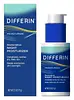
This barrier-repair night moisturizer is formulated around Niacinamide and Panthenol to strengthen the skin barrier and hydrate skin.
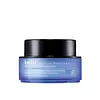
This hydrating overnight mask is formulated around Polyglycerin-3 and Avena Sativa Kernel Extract to hydrate skin and calm redness.


What's inside
What's inside
 Key Ingredients
Benefits
Concerns
Ingredients Side-by-side
Water
Skin ConditioningCaprylic/Capric Triglyceride
Masking


Glycerin
Humectant
Propanediol
Solvent
Pentylene Glycol
Skin Conditioning
Helianthus Annuus Seed Oil
Emollient


Sorbitol
Humectant
Dimethicone
Emollient
Butyrospermum Parkii Butter
Skin Conditioning


Cetearyl Alcohol
Emollient
Behenyl Alcohol
Emollient
Glyceryl Stearate
Emollient
Sodium Hydroxide
BufferingTocopheryl Acetate
Antioxidant


Cetyl Alcohol
Emollient
Ceteareth-20
Cleansing
Glyceryl Stearate Citrate
Emollient
Disodium Ethylene Dicocamide PEG-15 Disulfate
Cleansing
Niacinamide
Smoothing








Caprylyl Glycol
Emollient
Caffeine
Skin Conditioning
Allantoin
Skin Conditioning
Dipotassium Glycyrrhizate
Humectant
Panthenol
Skin Conditioning
Acrylates/C10-30 Alkyl Acrylate Crosspolymer
Emulsion StabilisingDisodium EDTA
Xanthan Gum
EmulsifyingBHT
Antioxidant
Sodium Hyaluronate
Humectant
Ceramide NP
Skin Conditioning
Citric Acid
Buffering
Water, Caprylic/Capric Triglyceride, Glycerin, Propanediol, Pentylene Glycol, Helianthus Annuus Seed Oil, Sorbitol, Dimethicone, Butyrospermum Parkii Butter, Cetearyl Alcohol, Behenyl Alcohol, Glyceryl Stearate, Sodium Hydroxide, Tocopheryl Acetate, Cetyl Alcohol, Ceteareth-20, Glyceryl Stearate Citrate, Disodium Ethylene Dicocamide PEG-15 Disulfate, Niacinamide, Caprylyl Glycol, Caffeine, Allantoin, Dipotassium Glycyrrhizate, Panthenol, Acrylates/C10-30 Alkyl Acrylate Crosspolymer, Disodium EDTA, Xanthan Gum, BHT, Sodium Hyaluronate, Ceramide NP, Citric Acid
Water
Skin ConditioningDipropylene Glycol
HumectantPolyglycerin-3
Humectant
1,2-Hexanediol
Skin Conditioning
Glycerin
Humectant
PEG-240
HumectantPolymethylsilsesquioxane
Calluna Vulgaris Extract
Skin ConditioningDipsacus Sylvestris Extract
Skin ConditioningChrysanthemum Parthenium Extract
Skin ConditioningAvena Sativa Kernel Extract
Abrasive
Calendula Officinalis Flower Extract
Masking
Nepeta Cataria Extract
TonicRubus Idaeus Leaf Extract
Skin ConditioningBaptisia Tinctoria Root Extract
Skin ConditioningStellaria Media Extract
Skin ConditioningMalt Extract
Skin ProtectingTriticum Vulgare Sprout Extract
Skin ConditioningAlchemilla Vulgaris Leaf Extract
Antioxidant
Equisetum Arvense Leaf Extract
AstringentUrtica Dioica Leaf Extract
Skin ConditioningMelia Azadirachta Leaf Extract
Skin ConditioningMelia Azadirachta Flower Extract
Skin ConditioningCoccinia Indica Fruit Extract
Skin Conditioning
Solanum Melongena Fruit Extract
Skin ConditioningAloe Barbadensis Flower Extract
EmollientSimmondsia Chinensis Seed Oil
Emollient
Ocimum Sanctum Leaf Extract
Skin ConditioningCurcuma Longa Root Extract
Antioxidant
Corallina Officinalis Extract
Skin Conditioning
Panthenol
Skin Conditioning
Tocopheryl Acetate
Antioxidant
Lauryl Dimethicone/Polyglycerin-3 Crosspolymer
Cleansing
Acrylates/C10-30 Alkyl Acrylate Crosspolymer
Emulsion StabilisingCarbomer
Emulsion StabilisingHydroxyethylcellulose
Emulsion StabilisingTrisodium EDTA
Tromethamine
BufferingCitrus Aurantium Dulcis Peel Oil
Masking
Citrus Aurantifolia Oil
Cleansing

Pelargonium Graveolens Flower Oil
Masking
Rosmarinus Officinalis Leaf Oil
Masking
Citral
Perfuming
Citronellol
Perfuming
Geraniol
Perfuming
Limonene
Perfuming
Linalool
Perfuming
Parfum
Masking
Water, Dipropylene Glycol, Polyglycerin-3, 1,2-Hexanediol, Glycerin, PEG-240, Polymethylsilsesquioxane, Calluna Vulgaris Extract, Dipsacus Sylvestris Extract, Chrysanthemum Parthenium Extract, Avena Sativa Kernel Extract, Calendula Officinalis Flower Extract, Nepeta Cataria Extract, Rubus Idaeus Leaf Extract, Baptisia Tinctoria Root Extract, Stellaria Media Extract, Malt Extract, Triticum Vulgare Sprout Extract, Alchemilla Vulgaris Leaf Extract, Equisetum Arvense Leaf Extract, Urtica Dioica Leaf Extract, Melia Azadirachta Leaf Extract, Melia Azadirachta Flower Extract, Coccinia Indica Fruit Extract, Solanum Melongena Fruit Extract, Aloe Barbadensis Flower Extract, Simmondsia Chinensis Seed Oil, Ocimum Sanctum Leaf Extract, Curcuma Longa Root Extract, Corallina Officinalis Extract, Panthenol, Tocopheryl Acetate, Lauryl Dimethicone/Polyglycerin-3 Crosspolymer, Acrylates/C10-30 Alkyl Acrylate Crosspolymer, Carbomer, Hydroxyethylcellulose, Trisodium EDTA, Tromethamine, Citrus Aurantium Dulcis Peel Oil, Citrus Aurantifolia Oil, Pelargonium Graveolens Flower Oil, Rosmarinus Officinalis Leaf Oil, Citral, Citronellol, Geraniol, Limonene, Linalool, Parfum
Reviews
Ingredients Explained
These ingredients are found in both products.
Ingredients higher up in an ingredient list are typically present in a larger amount.
Acrylates/C10-30 Alkyl Acrylate Crosspolymer is a synthetic polymer. It is used to thicken, emulsify, and improve the texture of products.
As an emulsifier, it helps stabilize oil-in-water emulsions to give products an elegant feel when applied.
It can also form a thin protective film on skin. One study found that a formula using this polymer helped slow down how quickly other ingredients (like DEET) were absorbed through skin.
A 2024 study of over 1,300 patients confirmed that sensitization to this ingredient is rare. It is also non-mutagenic and has a clean track record.
Learn more about Acrylates/C10-30 Alkyl Acrylate CrosspolymerGlycerin (or glycerol) is a compound naturally found in your skin. It's a powerhouse humectant that pulls water into the stratum corneum.
Topically, glycerin does several things at once:
Your skin makes glycerin on its own (mostly from sebaceous oil breakdown) and shuttles it to your outermost layer of skin, or your epidermis, via aquaporin-3.
Aquaporin-3 is a transporter that is essential for normal skin hydration, elasticity, and repair. Interestingly, mice lacking in AQP3 have dry and less elastic skin that can be fully corrected with glycerin.
This ingredient is non-irritating, plays well with almost every ingredient, and works across all skin types. Typical use is anywhere between 3-10% but can go up to 79% in some leave-on products.
Just know very high concentrations (>40%) can feel tacky in low humidity.
Glycerin is the name for this ingredient in American English. British English uses Glycerol/Glycerine.
Learn more about GlycerinPanthenol is a common ingredient that helps hydrate and soothe the skin. It is found naturally in our skin and hair.
There are two forms of panthenol: D and L.
D-panthenol is also known as dexpanthenol. Most cosmetics use dexpanthenol or a mixture of D and L-panthenol.
Panthenol is famous due to its ability to go deeper into the skin's layers. Using this ingredient has numerous pros (and no cons):
Like hyaluronic acid, panthenol is a humectant. Humectants are able to bind and hold large amounts of water to keep skin hydrated.
This ingredient works well for wound healing. It works by increasing tissue in the wound and helps close open wounds.
Once oxidized, panthenol converts to pantothenic acid. Panthothenic acid is found in all living cells.
This ingredient is also referred to as pro-vitamin B5.
Learn more about PanthenolTocopheryl Acetate is a stable, shelf-friendly form of vitamin E.
Formulators love it because plain vitamin E oxidizes quickly once it hits air. This acetate version stays stable and resists going off, helping to extend a product's shelf life.
It's actually inactive on its own and works like a slow-release "storage" form; the enzymes in your skin called esterases gradually convert it into active vitamin E over time.
One in vivo study showed 5% of the acetate in the living layer of the epidermis converted to vitamin E after 5 days of application. This study also found the skin gained protection against UV damage even though the conversion was slow and small.
Once converted, vitamin E acts as a skin's main fat-soluble antioxidant that fights free radicals to protect skin from damage.
Topical vitamin E generally boosts the skin's photoprotection, and it reduced UV-damage in animal models.
This ingredient has some brightening potential but it's more of a prevention ingredient than spot-fader. Cell studies show it can slow down melanin production but it's worth noting that it's not the most powerful brightener out there.
Overall, it has a pretty solid safety profile and has been found to be non-irritating and non-comedogenic. Allergic reactions may happen but stay rare due to how widely the ingredient gets used.
The concentration will vary depending on the formula; industry data shows 0.1% in baby lotions, 3% in lipsticks, and 5% in foot powders. You can also find this ingredient at 100% in a pure vitamin E oil.
Most leave-on skincare keeps it at the lower end, often between 0.5-1%.
Learn more about Tocopheryl AcetateWater. It's the most common cosmetic ingredient of all. You'll usually see it at the top of ingredient lists, meaning that it makes up the largest part of the product.
So why is it so popular? Water most often acts as a solvent - this means that it helps dissolve other ingredients into the formulation.
You'll also recognize water as that liquid we all need to stay alive. If you see this, drink a glass of water. Remember to stay hydrated!
Learn more about Water

