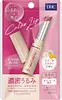
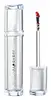
This barrier-repair lip moisturizer is formulated around Simmondsia Chinensis Seed Oil and Squalane to strengthen the lip barrier and hydrate lips.


What's inside
What's inside
 Key Ingredients
Benefits
Concerns
Ingredients Side-by-side
Caprylic/Capric Triglyceride
Masking


Simmondsia Chinensis Seed Oil
Emollient



Euphorbia Cerifera Cera
Astringent
Limnanthes Alba Seed Oil
Skin Conditioning
Diisostearyl Malate
EmollientEthylhexyl Methoxycinnamate
UV Absorber


Sucrose Hexaisostearate
EmollientOlea Europaea Fruit Oil
Masking


Paraffin
Skin Conditioning
Ricinus Communis Seed Oil
Masking
Squalane
Emollient
Lanolin
Emollient
Beeswax
Emulsion Stabilising
Jojoba Esters
Emollient
Butyl Methoxydibenzoylmethane
UV Absorber
Tocopherol
Antioxidant




Ascorbyl Tetraisopalmitate
Antioxidant
Phenoxyethanol
Preservative
Ethylhexyl Palmitate
Emollient
Tribehenin
Emollient
Sorbitan Isostearate
Emulsifying
Palmitoyl Tripeptide-1
Skin Conditioning

Emu Oil
Skin Conditioning
Citrus Aurantium Dulcis Peel Oil
Masking
Citrus Aurantium Dulcis Fruit Extract
MaskingCitrus Aurantium Amara Flower Oil
Masking
Citrus Nobilis Peel Oil
Masking
Citrus Aurantifolia Oil
Cleansing
Citrus Limon Peel Oil
Masking
CI 42090
Cosmetic ColorantCI 15850
Cosmetic ColorantCI 19140
Cosmetic ColorantTitanium Dioxide
Cosmetic Colorant
Stearic Acid
Cleansing
Lactic Acid
Buffering


Caprylic/Capric Triglyceride, Simmondsia Chinensis Seed Oil, Euphorbia Cerifera Cera, Limnanthes Alba Seed Oil, Diisostearyl Malate, Ethylhexyl Methoxycinnamate, Sucrose Hexaisostearate, Olea Europaea Fruit Oil, Paraffin, Ricinus Communis Seed Oil, Squalane, Lanolin, Beeswax, Jojoba Esters, Butyl Methoxydibenzoylmethane, Tocopherol, Ascorbyl Tetraisopalmitate, Phenoxyethanol, Ethylhexyl Palmitate, Tribehenin, Sorbitan Isostearate, Palmitoyl Tripeptide-1, Emu Oil, Citrus Aurantium Dulcis Peel Oil, Citrus Aurantium Dulcis Fruit Extract, Citrus Aurantium Amara Flower Oil, Citrus Nobilis Peel Oil, Citrus Aurantifolia Oil, Citrus Limon Peel Oil, CI 42090, CI 15850, CI 19140, Titanium Dioxide, Stearic Acid, Lactic Acid
Water
Skin ConditioningPhenyl Dimethicone
Skin Conditioning
Octyldodecanol
Emollient
Trimethyl Pentaphenyl Trisiloxane
Emollient
Glycerin
Humectant
Phenyl Trimethicone
Skin Conditioning
Alcohol Denat.
Antimicrobial
Propionic Acid
Preservative
Polyisobutene
1,2-Hexanediol
Skin Conditioning
Pentylene Glycol
Skin Conditioning
Sorbitol
Humectant
Sucrose
Humectant
Ethylcellulose
Hydroxyacetophenone
Antioxidant
Octyldecanol
Emollient
C13-14 Isoparaffin
Emollient
Oxidized Corn Oil
Skin Conditioning
Bisabolol
Antioxidant
Centella Asiatica Extract
Cleansing
Phenoxyethanol
Preservative
Tremella Fuciformis Fruiting Body Extract
HumectantSodium Hyaluronate
Humectant
Cymbidium Grandiflorum Root Extract
HumectantThamnolia Vermicularis Leaf Extract
Skin ConditioningSparassis Crispa Extract
Emulsion StabilisingLaureth-7
EmulsifyingEthylhexylglycerin
Skin ConditioningHydroxyethylcellulose
Emulsion StabilisingTrisodium Ethylenediamine Disuccinate
ChelatingPolysorbate 60
Emulsifying
Tocopherol
Antioxidant
Sodium Phosphate
BufferingButylene Glycol
Humectant
Disodium EDTA
ChelatingCI 16255
Cosmetic ColorantCI 15985
Cosmetic ColorantCI 19140
Cosmetic ColorantCI 45410
Cosmetic ColorantCI 17200
Cosmetic ColorantCI 42090
Cosmetic ColorantWater, Phenyl Dimethicone, Octyldodecanol, Trimethyl Pentaphenyl Trisiloxane, Glycerin, Phenyl Trimethicone, Alcohol Denat., Propionic Acid, Polyisobutene, 1,2-Hexanediol, Pentylene Glycol, Sorbitol, Sucrose, Ethylcellulose, Hydroxyacetophenone, Octyldecanol, C13-14 Isoparaffin, Oxidized Corn Oil, Bisabolol, Centella Asiatica Extract, Phenoxyethanol, Tremella Fuciformis Fruiting Body Extract, Sodium Hyaluronate, Cymbidium Grandiflorum Root Extract, Thamnolia Vermicularis Leaf Extract, Sparassis Crispa Extract, Laureth-7, Ethylhexylglycerin, Hydroxyethylcellulose, Trisodium Ethylenediamine Disuccinate, Polysorbate 60, Tocopherol, Sodium Phosphate, Butylene Glycol, Disodium EDTA, CI 16255, CI 15985, CI 19140, CI 45410, CI 17200, CI 42090
Reviews
Ingredients Explained
These ingredients are found in both products.
Ingredients higher up in an ingredient list are typically present in a larger amount.
CI 19140 is also known as Tartrazine. Tartrazine is a synthetic dye used in cosmetics, foods, and medicine to add a yellow color.
Tartrazine is created from petroleum and is water-soluble.
Some people may experience allergies from this dye, especially asthmatics and those with an aspirin intolerance.
Learn more about CI 19140Ci 42090 is a synthetic dye created from petroleum. It is used to give a bright blue color to cosmetics, medicine, and food.
Phenoxyethanol is one of the most widely used preservatives in skincare (and for good reason!).
It has a large spectrum of antimicrobial activity and especially effective bacteria, yeast, and mold while only having a weak effect on your skin's natural microbiome.
On a cellular level, it disrupts the cell membranes of microbes by poking holes that make the cell leak. This shuts down the chemical reactions the microbe needs to make energy so it can no longer survive.
Another perk of this ingredient is that it stays functional across a wide pH range (3-10).
You'll often see it paired with boosters like Ethylhexylglycerin; one study showed that a 1:9 ratio of Ethylhexylglycerin to Phenoxyethanol damages bacterial membranes as effectively as doubling the Phenoxyethanol concentration on its own.
Typical use concentrations range from 0.3-1% depending on the formula, and this ingredient is capped at 1% int the EU.
Safety-wise, the fear mongering does not hold up to the evidence. The EU's Scientific Committee on Consumer Safety and FDA consider it safe as a preservative at up to 1%, including for children of all ages.
Adverse systemic effects only showed up in animal studies at exposures roughly 200x higher than what people get from cosmetics. And despite its very widespread use, this ingredient is a rare sensitizer and allergic reactions are uncommon.
Learn more about PhenoxyethanolTocopherol is a fat-soluble antioxidant known as Vitamin E.
You'll find this ingredient in the vast majority of skincare (for good reason). It works to neutralize free radicals, or unstable molecules generated by UV exposure, pollution, and other environmental stressors, before they can cause oxidative damage to your skin cells.
Topically applied tocopherol has been shown to protect against UV damage by ramping up the skin's own natural defense enzymes.
It also acts as a skin conditioning agent; some studies show that regular topical use can improve the skin's water-binding capacity over 2-4 weeks.
This ingredient is especially loved for being a team player. When combined with Vitamin C, the photoprotective effect of both ingredients roughly doubles and the combo also helps reduce UV-induced DNA damage.
This ingredient has some brightening potential but it's more of a prevention ingredient than spot-fader. Cell studies show it can slow down melanin production but it's worth noting that it's not the most powerful brightener out there.
In formulations, it also serves as a stabilizer that helps protect other oxidation-prone ingredients from degrading.
Concentrations usually range from 0.1-1% in most leave-on products.
Learn more about Tocopherol

