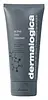
This mild foaming cleanser is made to cleanse while calming and soothing your skin.


What's inside
What's inside
 Key Ingredients
Benefits
Concerns
Ingredients Side-by-side
Water
Skin ConditioningSodium Cocoyl Isethionate
Cleansing
Glycerin
Humectant


Carthamus Tinctorius Seed Oil
Masking


Kaolin
Abrasive



Glyceryl Stearate Se
Emulsifying


PEG-100 Stearate
Surfactant
Propanediol
Solvent
Coconut Acid
Cleansing
Butylene Glycol
Humectant
Charcoal Powder
Abrasive
Sodium Astrocaryum Murumuruate
EmollientBrassica Oleracea Italica Extract
AstringentBioflavonoids
Skin ConditioningCitrus Grandis Peel Oil
Masking



Palmitic Acid
Emollient
Sodium Isethionate
CleansingAloe Barbadensis Leaf Extract
Emollient

Melaleuca Alternifolia Leaf Oil
Antioxidant
Cocamidopropyl Betaine
Cleansing
Tocopheryl Acetate
Antioxidant

Myristic Acid
Cleansing
Quartz
Abrasive
Stearic Acid
Cleansing
Ethylhexylglycerin
Skin ConditioningCitric Acid
Buffering
O-Cymen-5-Ol
Antimicrobial
Cetearyl Alcohol
Emollient
Polysorbate 60
Emulsifying
Pentylene Glycol
Skin Conditioning
Polyacrylate Crosspolymer-6
Emulsion StabilisingCaprylyl Glycol
Emollient
Tetrasodium Glutamate Diacetate
ChelatingSodium Hydroxide
BufferingDisodium EDTA
ChelatingCitral
Perfuming
Limonene
Perfuming
CI 77891
Cosmetic ColorantWater, Sodium Cocoyl Isethionate, Glycerin, Carthamus Tinctorius Seed Oil, Kaolin, Glyceryl Stearate Se, PEG-100 Stearate, Propanediol, Coconut Acid, Butylene Glycol, Charcoal Powder, Sodium Astrocaryum Murumuruate, Brassica Oleracea Italica Extract, Bioflavonoids, Citrus Grandis Peel Oil, Palmitic Acid, Sodium Isethionate, Aloe Barbadensis Leaf Extract, Melaleuca Alternifolia Leaf Oil, Cocamidopropyl Betaine, Tocopheryl Acetate, Myristic Acid, Quartz, Stearic Acid, Ethylhexylglycerin, Citric Acid, O-Cymen-5-Ol, Cetearyl Alcohol, Polysorbate 60, Pentylene Glycol, Polyacrylate Crosspolymer-6, Caprylyl Glycol, Tetrasodium Glutamate Diacetate, Sodium Hydroxide, Disodium EDTA, Citral, Limonene, CI 77891
Aloe Barbadensis Leaf Juice
Skin Conditioning
Water
Skin ConditioningGlycerin
Humectant
Sodium Cocoyl Glutamate
Cleansing
Coco-Glucoside
Cleansing
Decyl Glucoside
Cleansing
Capryloyl/Caproyl Methyl Glucamide
EmulsifyingSclerotium Gum
Emulsion StabilisingLactobacillus Ferment
Skin Conditioning
Glyceryl Oleate
Emollient
Lauroyl/Myristoyl Methyl Glucamide
EmollientXylityl Sesquicaprylate
Antimicrobial
Oryza Sativa Extract
Absorbent

Mentha Piperita Oil
Masking
Citric Acid
Buffering
Saccharide Isomerate
Humectant
Lactobacillus
Skin ConditioningCitrus Aurantium Dulcis Peel Oil
Masking
Helianthus Annuus Seed Oil
Emollient
Anhydroxylitol
Humectant
Bursera Graveolens Wood Oil
Masking
Curcuma Longa Root Extract
Antioxidant
Morinda Citrifolia Fruit Extract
Skin Conditioning
Potassium Sorbate
Preservative
Cocos Nucifera Fruit Extract
Emollient
Pelargonium Graveolens Flower Oil
Masking
Rosmarinus Officinalis Leaf Oil
Masking
Leuconostoc Ferment Filtrate
AntimicrobialOcimum Basilicum Oil
Masking
Rosa Centifolia Flower Oil
Masking
Sodium Citrate
BufferingTocopherol
Antioxidant
Soybean Peroxidase
Antioxidant
Superoxide Dismutase
Antioxidant
Hydrogenated Palm Glycerides Citrate
Emollient
Limonene
Perfuming
Citronellol
Perfuming
Geraniol
Perfuming
Aloe Barbadensis Leaf Juice, Water, Glycerin, Sodium Cocoyl Glutamate, Coco-Glucoside, Decyl Glucoside, Capryloyl/Caproyl Methyl Glucamide, Sclerotium Gum, Lactobacillus Ferment, Glyceryl Oleate, Lauroyl/Myristoyl Methyl Glucamide, Xylityl Sesquicaprylate, Oryza Sativa Extract, Mentha Piperita Oil, Citric Acid, Saccharide Isomerate, Lactobacillus, Citrus Aurantium Dulcis Peel Oil, Helianthus Annuus Seed Oil, Anhydroxylitol, Bursera Graveolens Wood Oil, Curcuma Longa Root Extract, Morinda Citrifolia Fruit Extract, Potassium Sorbate, Cocos Nucifera Fruit Extract, Pelargonium Graveolens Flower Oil, Rosmarinus Officinalis Leaf Oil, Leuconostoc Ferment Filtrate, Ocimum Basilicum Oil, Rosa Centifolia Flower Oil, Sodium Citrate, Tocopherol, Soybean Peroxidase, Superoxide Dismutase, Hydrogenated Palm Glycerides Citrate, Limonene, Citronellol, Geraniol
Ingredients Explained
These ingredients are found in both products.
Ingredients higher up in an ingredient list are typically present in a larger amount.
Citric Acid is an alpha hydroxy acid (AHA) naturally found in citrus fruits like oranges, lemons, and limes.
Like other AHAs, citric acid can exfoliate skin by breaking down the bonds that hold dead skin cells together. This helps reveal smoother and brighter skin underneath.
However, this exfoliating effect only happens at high concentrations (20%) which can be hard to find in cosmetic products.
Due to this, citric acid is usually included in small amounts as a pH adjuster. This helps keep products slightly more acidic and compatible with skin's natural pH.
In skincare formulas, citric acid can:
While it can provide some skin benefits, research shows lactic acid and glycolic acid are generally more effective and less irritating exfoliants.
Most citric acid used in skincare today is made by fermenting sugars (usually from molasses). This synthetic version is identical to the natural citrus form but easier to stabilize and use in formulations.
Rosacea skin has a lower threshold for acids generally, with 62.5% of rosacea subjects in one study reacting to lactic acid in a sting test. This is why we mark citric acid as a potential rosacea trigger.
However, this ingredient shows up as a pH adjuster or chelator at roughly 0.1-1% in many products. These low levels are unlikely to be an issue for rosacea skin and becomes a potential trigger at exfoliating concentrations (20%). Because everybody's skin is unique, we recommend a patch test if you are unsure.
Learn more about Citric AcidGlycerin (or glycerol) is a compound naturally found in your skin. It's a powerhouse humectant that pulls water into the stratum corneum.
Topically, glycerin does several things at once:
Your skin makes glycerin on its own (mostly from sebaceous oil breakdown) and shuttles it to your outermost layer of skin, or your epidermis, via aquaporin-3.
Aquaporin-3 is a transporter that is essential for normal skin hydration, elasticity, and repair. Interestingly, mice lacking in AQP3 have dry and less elastic skin that can be fully corrected with glycerin.
This ingredient is non-irritating, plays well with almost every ingredient, and works across all skin types. Typical use is anywhere between 3-10% but can go up to 79% in some leave-on products.
Just know very high concentrations (>40%) can feel tacky in low humidity.
Glycerin is the name for this ingredient in American English. British English uses Glycerol/Glycerine.
Learn more about GlycerinLimonene is the compound that gives citrus peel its smell.
In skincare, it shows up as a standalone fragrance ingredient or as a natural compound of citrus and other essential oils.
You'll typically see this ingredient used in very small amounts; anything above 0.001% in a leave-on product or 0.01% in a rinse-off has to be named on the label in the EU. The citrus oils that carry it sit around 0.5-1% in a finished formula.
Fresh limonene is a weak allergen; the real issue is that it slowly reacts with air and then breaks down from oxidation to create hydroperoxides (which are strong sensitizers). This is why suppliers are required to keep the peroxide value below 20 mmol.
Positive reactions in people being investigated for eczema vary:
It's worth skipping if you have a known fragrance allergy or a compromised barrier, but the risk is low for most people.
Older or long-opened products are also more likely to bother you than fresh ones due to oxidation.
Learn more about LimoneneWater. It's the most common cosmetic ingredient of all. You'll usually see it at the top of ingredient lists, meaning that it makes up the largest part of the product.
So why is it so popular? Water most often acts as a solvent - this means that it helps dissolve other ingredients into the formulation.
You'll also recognize water as that liquid we all need to stay alive. If you see this, drink a glass of water. Remember to stay hydrated!
Learn more about Water

