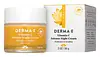
This brightening night moisturizer is formulated around Sodium Ascorbyl Phosphate and Glycyrrhiza Glabra Root Extract to brighten dull-looking skin and fade the look of dark spots.
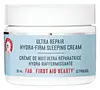
This anti-aging night moisturizer is formulated around Butyrospermum Parkii Butter and Niacinamide to soften the look of wrinkles and hydrate skin.

What's inside
What's inside
 Key Ingredients
Benefits
Concerns
Ingredients Side-by-side
Water
Skin ConditioningCaprylic/Capric Triglyceride
Masking


Sodium Ascorbyl Phosphate
Antioxidant







Glycerin
Humectant
Sodium Hyaluronate
Humectant
Cetyl Alcohol
Emollient


Ethylhexyl Palmitate
Emollient


Cetearyl Alcohol
Emollient
Cetearyl Glucoside
Emulsifying
Cetyl Palmitate
Emollient
Sorbitan Palmitate
Emulsifying
Sorbitan Oleate
Emulsifying
Diheptyl Succinate
EmollientCapryloyl Glycerin/Sebacic Acid Copolymer
Skin ConditioningPseudozyma Epicola/Nitrosomonas Europaea/Oil Ferment Filtrate
Skin Conditioning
Prunus Armeniaca Kernel Oil
Masking
Helianthus Annuus Seed Oil
Emollient
Prunus Amygdalus Dulcis Oil
Skin Conditioning
Enterococcus Faecium/Saururus Chinensis Extract Ferment Filtrate
EmollientAspalathus Linearis Leaf Extract
Skin ConditioningGlycyrrhiza Glabra Root Extract
Bleaching

Rosa Canina Fruit Oil
Emollient
Camellia Sinensis Leaf Extract
Antimicrobial
Olea Europaea Fruit Oil
Masking
Retinyl Palmitate
Skin Conditioning
Panthenol
Skin Conditioning
Tocopheryl Acetate
Antioxidant
Xanthan Gum
EmulsifyingPotassium Sorbate
Preservative
Phenoxyethanol
Preservative
Ethylhexylglycerin
Skin ConditioningParfum
Masking

Water, Caprylic/Capric Triglyceride, Sodium Ascorbyl Phosphate, Glycerin, Sodium Hyaluronate, Cetyl Alcohol, Ethylhexyl Palmitate, Cetearyl Alcohol, Cetearyl Glucoside, Cetyl Palmitate, Sorbitan Palmitate, Sorbitan Oleate, Diheptyl Succinate, Capryloyl Glycerin/Sebacic Acid Copolymer, Pseudozyma Epicola/Nitrosomonas Europaea/Oil Ferment Filtrate, Prunus Armeniaca Kernel Oil, Helianthus Annuus Seed Oil, Prunus Amygdalus Dulcis Oil, Enterococcus Faecium/Saururus Chinensis Extract Ferment Filtrate, Aspalathus Linearis Leaf Extract, Glycyrrhiza Glabra Root Extract, Rosa Canina Fruit Oil, Camellia Sinensis Leaf Extract, Olea Europaea Fruit Oil, Retinyl Palmitate, Panthenol, Tocopheryl Acetate, Xanthan Gum, Potassium Sorbate, Phenoxyethanol, Ethylhexylglycerin, Parfum
Water
Skin ConditioningGlycerin
Humectant
Caprylic/Capric Triglyceride
Masking
Butyrospermum Parkii Butter
Skin Conditioning
Dimethicone
Emollient
Glyceryl Stearate
Emollient
C10-18 Triglycerides
Emollient
Ethylhexyl Palmitate
Emollient
Lactobacillus Ferment
Skin Conditioning
Jojoba Esters
Emollient
Cetyl Alcohol
Emollient
Niacinamide
Smoothing

Spilanthes Acmella Flower Extract
Skin ConditioningHelianthus Annuus Seed Cera
Emollient
Acacia Decurrens Flower Cera
Emollient
Algae Extract
Emollient
Palmitoyl Tripeptide-38
Skin Conditioning
Sodium Hyaluronate
Humectant
Avena Sativa Kernel Flour
Abrasive
Palmitoyl Hexapeptide-12
Skin Conditioning
Palmitoyl Tetrapeptide-7
Skin Conditioning
Camellia Sinensis Leaf Extract
Antimicrobial
Chrysanthemum Parthenium Extract
Skin ConditioningGlycyrrhiza Glabra Root Extract
Bleaching
Hydroxypropyl Cyclodextrin
MaskingSodium Lactate
Buffering
Butylene Glycol
Humectant
PEG-75 Stearate
Surfactant
Acrylates/C10-30 Alkyl Acrylate Crosspolymer
Emulsion StabilisingCeteth-20
CleansingSteareth-20
CleansingPolyglycerin-3
Humectant
Carbomer
Emulsion StabilisingPolysorbate 20
Emulsifying
Phenoxyethanol
Preservative
Xanthan Gum
EmulsifyingTetrasodium EDTA
ChelatingSodium Hydroxide
BufferingWater, Glycerin, Caprylic/Capric Triglyceride, Butyrospermum Parkii Butter, Dimethicone, Glyceryl Stearate, C10-18 Triglycerides, Ethylhexyl Palmitate, Lactobacillus Ferment, Jojoba Esters, Cetyl Alcohol, Niacinamide, Spilanthes Acmella Flower Extract, Helianthus Annuus Seed Cera, Acacia Decurrens Flower Cera, Algae Extract, Palmitoyl Tripeptide-38, Sodium Hyaluronate, Avena Sativa Kernel Flour, Palmitoyl Hexapeptide-12, Palmitoyl Tetrapeptide-7, Camellia Sinensis Leaf Extract, Chrysanthemum Parthenium Extract, Glycyrrhiza Glabra Root Extract, Hydroxypropyl Cyclodextrin, Sodium Lactate, Butylene Glycol, PEG-75 Stearate, Acrylates/C10-30 Alkyl Acrylate Crosspolymer, Ceteth-20, Steareth-20, Polyglycerin-3, Carbomer, Polysorbate 20, Phenoxyethanol, Xanthan Gum, Tetrasodium EDTA, Sodium Hydroxide
Reviews
Ingredients Explained
These ingredients are found in both products.
Ingredients higher up in an ingredient list are typically present in a larger amount.
Camellia Sinensis Leaf Extract (tea extract) is one of the most well-researched plant extracts in skincare with an impressive resume.
Black tea, green tea, and oolong tea are all harvested from the Camellia Sinensis plant.
Studies show green tea extract and its catechins (like epigallocatechin gallate (EGCG)) help your skin cells product energy more efficiently and reducing the number of free-radicals that can damage your skin from the inside.
In lab-grown skin models, this translated to younger, healthier, and stronger skin.
There's also good sun protection data; researchers saw less DNA damage and redness on human skin when green tea was applied before UVB exposure. And the more they applied, the better the protection.
Needless to say, this ingredient shouldn't replace your sunscreen. But it is a great supportive ingredient that you can already find in many sunscreens and antioxidant serums.
A 2009 study found a 2% green tea lotion was effective for mild-to-moderate acne thanks to its anti-inflammatory and mild antimicrobial activity.
The quality of the extract matters a lot here:
Good extracts contain 50-90% catechins while lower quality ones are mostly there for marketing. We recommend reaching out to the brand if you have questions about the quality or source of their ingredients.
Human Repeated Insult Patch Testing showed no irritation or sensitization at use concentrations (0.86% in leave-on products and up to 30% as leaf water).
Learn more about Camellia Sinensis Leaf ExtractCaprylic/Capric Triglyceride (aka MCT Oil) is a lightweight emollient, solvent, and texture enhancer. It is considered a skin-softener by helping to prevent moisture loss.
Though it behaves like an oil, it is not technically one due to its chemical composition. One perk of this ingredient is that it is very stable, resistant to oxidation, and unlikely to go rancid.
In practice, that translates to a long shelf life and a consistently elegant skin feel.
While there is an assumption Caprylic Triglyceride can clog pores due to it being derived from coconut oil, there is no research supporting this. Just patch test if you have concerns.
Fractionated coconut oil and MCT Oil are both listed as Caprylic/Capric Triglyceride according to INCI. This is because INCI names are based on the ingredient’s final chemical composition and not its marketing name or source.
This ingredient is treated as the gold standard fungal acne safe oil. Even though it is coconut derived, the problematic lauric acid is stripped out.
This leaves just caprylic (C8) and capric (C10) acid. These chain lengths actually trend antifungal; a 2020 study found caprylic acid was enough to disrupt Malassezia furfur cell membrane, with a caprylic acid derivative damaging membrane structures at concentrations as low as 0.2%.
Learn more about Caprylic/Capric TriglycerideCetyl Alcohol is a fatty alcohol. Fatty Alcohols are most often used as an emollient or to thicken a product.
Its main roles are:
Though it has "alcohol" in the name, it is not related to denatured alcohol or ethyl alcohol.
The FDA allows products labeled "alcohol-free" to have fatty alcohols.
This ingredient may not be fungal acne safe. It is a primary fatty alcohol with a chain length above 12 carbons. A study from 2019 show Malassezia can feed on fatty alcohols in this range, so it may trigger fungal acne in those prone to it.
Learn more about Cetyl AlcoholEthylhexyl Palmitate, also known as octyl palmitate, is created from 2-ethylhexyl alcohol and palmitic acid.
In cosmetics, it plays many roles:
One thing worth noting: a controlled study found this ingredient applied under occlusion to acne-prone subjects increased microcomedones. Just keep in mind this was under occlusive conditions and don't reflect how most products are used day-to-day.
For most people, this is a well-tolerated and lightweight ingredient.
This ingredient may not be fungal acne safe because it is an ester of palmitic acid, a C16 fatty acid that falls within the C11-24 range that Malassezia can metabolize.
You'll see this one rated 4 comedogenic all over the internet. That number isn't from a single study, and the actual research is more interesting.
The original rating comes from 1980s rabbit ear tests (which are a shaky basis for anything). But Ethylhexyl Palmitate is one of the few ingredients with real human data behind it. A 2021 controlled trial found this ingredient increased microcomedones by an average of 365% over four weeks.
Just know that test used the pure ingredient under an occlusive pad on back skin; most products use it at much lower levels alongside other ingredients and plenty of people use those with no issue.
Learn more about Ethylhexyl PalmitateGlycerin (or glycerol) is a compound naturally found in your skin. It's a powerhouse humectant that pulls water into the stratum corneum.
Topically, glycerin does several things at once:
Your skin makes glycerin on its own (mostly from sebaceous oil breakdown) and shuttles it to your outermost layer of skin, or your epidermis, via aquaporin-3.
Aquaporin-3 is a transporter that is essential for normal skin hydration, elasticity, and repair. Interestingly, mice lacking in AQP3 have dry and less elastic skin that can be fully corrected with glycerin.
This ingredient is non-irritating, plays well with almost every ingredient, and works across all skin types. Typical use is anywhere between 3-10% but can go up to 79% in some leave-on products.
Just know very high concentrations (>40%) can feel tacky in low humidity.
Glycerin is the name for this ingredient in American English. British English uses Glycerol/Glycerine.
Learn more about GlycerinGlycyrrhiza Glabra Root Extract is an extract of the roots of Licorice. It has been found to have several benefits such as skin hydrating, conditioning, and soothing.
One component, glabridin, has extra potent antioxidant and soothing properties. It has also been found to block pigmentation from UVB rays in guinea pigs.
Licorice Root also contains a flavonoid. Flavonoids are a natural substance from in plants. Flavonoids also have antioxidant properties.
Another component, glycyrrhizin, has been found to have anti-inflammatory and antimicrobial benefits. This may make licorice root extract effective at treating acne. However, more research is needed to support this.
Liquiritin is one of the flavone compounds found in licorice. It has been found to help lighten skin by preventing tyrosinase from reacting with tyrosine. When the two react, protein is converted to melanin. Melanin is the substance in your body that gives your features pigmentation.
Learn more about Glycyrrhiza Glabra Root ExtractPhenoxyethanol is one of the most widely used preservatives in skincare (and for good reason!).
It has a large spectrum of antimicrobial activity and especially effective bacteria, yeast, and mold while only having a weak effect on your skin's natural microbiome.
On a cellular level, it disrupts the cell membranes of microbes by poking holes that make the cell leak. This shuts down the chemical reactions the microbe needs to make energy so it can no longer survive.
Another perk of this ingredient is that it stays functional across a wide pH range (3-10).
You'll often see it paired with boosters like Ethylhexylglycerin; one study showed that a 1:9 ratio of Ethylhexylglycerin to Phenoxyethanol damages bacterial membranes as effectively as doubling the Phenoxyethanol concentration on its own.
Typical use concentrations range from 0.3-1% depending on the formula, and this ingredient is capped at 1% int the EU.
Safety-wise, the fear mongering does not hold up to the evidence. The EU's Scientific Committee on Consumer Safety and FDA consider it safe as a preservative at up to 1%, including for children of all ages.
Adverse systemic effects only showed up in animal studies at exposures roughly 200x higher than what people get from cosmetics. And despite its very widespread use, this ingredient is a rare sensitizer and allergic reactions are uncommon.
Learn more about PhenoxyethanolSodium Hyaluronate is the salt form of hyaluronic acid. It is a long sugar chain that is naturally found in your skin, joints, and connective tissue that maintains hydration and elasticity.
In skincare, it works as a humectant. It pulls water from the environment and deeper layers of skin and binds it to the surface.
Interestingly, the size of the molecule affects its behavior:
Some clinical evidence links low molecular weight versions to improved wrinkle depth, elasticity, anti-inflammatory effects, and barrier repair.
Many serums use a blend of both weights so you can get surface hydration plus longer-lasting and deeper effects.
You'll typically see concentrations between 0.1-2% for this ingredient.
Learn more about Sodium HyaluronateWater. It's the most common cosmetic ingredient of all. You'll usually see it at the top of ingredient lists, meaning that it makes up the largest part of the product.
So why is it so popular? Water most often acts as a solvent - this means that it helps dissolve other ingredients into the formulation.
You'll also recognize water as that liquid we all need to stay alive. If you see this, drink a glass of water. Remember to stay hydrated!
Learn more about WaterXanthan gum is used as a stabilizer and thickener within cosmetic products. It helps give products a sticky, thick feeling - preventing them from being too runny.
On the technical side of things, xanthan gum is a polysaccharide - a combination consisting of multiple sugar molecules bonded together.
Xanthan gum is a pretty common and great ingredient. It is a natural, non-toxic, non-irritating ingredient that is also commonly used in food products.
Learn more about Xanthan Gum


