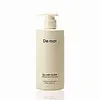
This mild cream cleanser is made to cleanse while respecting your skin barrier.
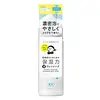
This mild foaming cleanser is made to cleanse without leaving your skin tight or dry.


What's inside
What's inside
 Key Ingredients
Benefits
Concerns
Ingredients Side-by-side
Brassica Oleracea Italica Water
Skin ProtectingHelianthus Annuus Seed Oil
Emollient



Simmondsia Chinensis Seed Oil
Emollient

Glycerin
Humectant
Glyceryl Stearate
Emollient
Decyl Glucoside
Cleansing
Madecassoside
Antioxidant




Ceramide NP
Skin Conditioning
Panthenol
Skin Conditioning
Centella Asiatica Extract
Cleansing
Asiaticoside
Antioxidant
Asiatic Acid
Skin Conditioning
Madecassic Acid
Skin Conditioning
Propolis Extract
Skin Conditioning

Limnanthes Alba Seed Oil
Skin Conditioning
Butylene Glycol
Humectant
Sodium Hyaluronate
Humectant
Hydrolyzed Hyaluronic Acid
Humectant
Sodium Acetylated Hyaluronate
Humectant
Cetearyl Olivate
Sorbitan Olivate
Emulsifying
Carbomer
Emulsion StabilisingArginine
Masking
Allantoin
Skin Conditioning
Xanthan Gum
EmulsifyingPropanediol
Solvent
Arachidyl Alcohol
Emollient
Behenyl Alcohol
Emollient
Arachidyl Glucoside
EmulsifyingCitric Acid
Buffering

Caprylyl Glycol
Emollient
Ethylhexylglycerin
Skin ConditioningBrassica Oleracea Italica Water, Helianthus Annuus Seed Oil, Simmondsia Chinensis Seed Oil, Glycerin, Glyceryl Stearate, Decyl Glucoside, Madecassoside, Ceramide NP, Panthenol, Centella Asiatica Extract, Asiaticoside, Asiatic Acid, Madecassic Acid, Propolis Extract, Limnanthes Alba Seed Oil, Butylene Glycol, Sodium Hyaluronate, Hydrolyzed Hyaluronic Acid, Sodium Acetylated Hyaluronate, Cetearyl Olivate, Sorbitan Olivate, Carbomer, Arginine, Allantoin, Xanthan Gum, Propanediol, Arachidyl Alcohol, Behenyl Alcohol, Arachidyl Glucoside, Citric Acid, Caprylyl Glycol, Ethylhexylglycerin
Dipotassium Glycyrrhizate
Humectant
Water
Skin ConditioningGlycerin
Humectant
Sorbitol
Humectant
Disodium EDTA
ChelatingButylene Glycol
Humectant
Glyceryl Linoleate
Emollient
Sodium Methyl Cocoyl Taurate
Cleansing
Lauryl Hydroxysultaine
CleansingPhenoxyethanol
Preservative
Ethylhexylglycerin
Skin ConditioningCitric Acid
Buffering
Sodium Citrate
BufferingSodium Hydroxide
BufferingHydrolyzed Hyaluronic Acid
Humectant
Hydrogenated Lecithin
Emulsifying
Phytosterols
Skin Conditioning
Phytosphingosine
Skin Conditioning
N-Stearoyl-Dihydrosphingosine
Skin ConditioningCeramide NP
Skin Conditioning
Ceramide EOP
Skin Conditioning
Tremella Fuciformis Polysaccharide
Emulsion Stabilising
Taurine
BufferingLysine Hcl
Skin Conditioning
Alanine
Masking
Histidine Hcl
Skin ConditioningArginine
Masking
Serine
Masking
Proline
Skin Conditioning
Glutamic Acid
Humectant
Threonine
Valine
MaskingLeucine
Skin ConditioningGlycine
Buffering
Allantoin
Skin Conditioning
Isoleucine
Skin ConditioningPhenylalanine
Masking
Petrolatum
Emollient

Niacinamide
Smoothing



Dipotassium Glycyrrhizate, Water, Glycerin, Sorbitol, Disodium EDTA, Butylene Glycol, Glyceryl Linoleate, Sodium Methyl Cocoyl Taurate, Lauryl Hydroxysultaine, Phenoxyethanol, Ethylhexylglycerin, Citric Acid, Sodium Citrate, Sodium Hydroxide, Hydrolyzed Hyaluronic Acid, Hydrogenated Lecithin, Phytosterols, Phytosphingosine, N-Stearoyl-Dihydrosphingosine, Ceramide NP, Ceramide EOP, Tremella Fuciformis Polysaccharide, Taurine, Lysine Hcl, Alanine, Histidine Hcl, Arginine, Serine, Proline, Glutamic Acid, Threonine, Valine, Leucine, Glycine, Allantoin, Isoleucine, Phenylalanine, Petrolatum, Niacinamide
Reviews
Ingredients Explained
These ingredients are found in both products.
Ingredients higher up in an ingredient list are typically present in a larger amount.
Allantoin is a soothing ingredient known for its protective and moisturizing properties; it's basically a quiet workhorse ingredient you can find in a huge range of cosmetics.
Though it can be derived from the comfrey plant, allantoin is produced synthetically for cosmetic products to ensure purity.
Research shows it can encourage your skin cells to turn over and renew by stimulating keratinocyte and fibroblast proliferation.
It also has mild keratolytic properties to help loosen and shed dead skin cells without being harsh.
Studies also suggest allantoin can help calm inflammation by dialing down some of the chemical signals your skin sends out when it is irritated.
This ingredient is typically used in the 0.1-0.5% range, and the FDA recognizes it as a skin protectant in OTC products up to 2%.
Overall, allantoin is a wonderful addition to most routines; it is stable across a wide pH range (~4-8), works well with other ingredients, and is considered non-sensitizing/non-irritating.
Fun fact: Allantoin is naturally occurring in comfrey root, beets, chamomile, and wheat sprouts. Our bodies even produce it as a byproduct of uric acid metabolism.
Learn more about AllantoinArginine is a semi-essential amino acid. This just means our bodies can product a bit on its own, but sometimes needs a little boost from food sources.
It is a part of your skin's natural moisturizing factor (NMF), or the water-loving molecules in your outermost layer of skin (stratum corneum) that keeps everything hydrated and happy.
Here's an interesting thing about Arginine: your skin converts it into urea through the Krebs-Henseleit urea cycle. Urea is one of the most effective humectants your skin naturally produces.
A clinical study showed applying 2.5% arginine hydrochloride to atopic dermatitis skin showed significant urea levels in the stratum corneum and improved moisture in just four weeks.
Arginine is also a precursor to nitric oxide; nitric oxide improves microcirculation and supports wound healing and collagen synthesis.
One study found that an amino acid complex containing Arginine reduced skin irritation, improved hydration, and accelerated skin repair in clinical / in-vivo studies.
Arginine itself is an amino acid and not a fatty acid, oil, or ester. On its own, it's not a direct food source for Malassezia, or the yeast that causes fungal acne.
Learn more about ArginineButylene Glycol (or BG) is used within cosmetic products for a few different reasons:
Overall, Butylene Glycol is a safe and well-rounded ingredient that works well with other ingredients.
Though this ingredient works well with most skin types, some people with sensitive skin may experience a reaction such as allergic rashes, closed comedones, or itchiness.
Learn more about Butylene GlycolCeramide NP (formerly known as Ceramide 3) is one of the skin's naturally occurring lipids.
Since ceramides are the major lipid components of the skin, they are crucial for maintaining skin barrier and hydration. Ceramide NP most closely mirrors the dominant kind in human skin amongst ceramide subtypes.
This ceramide works by slotting into gaps within the stratum corneum's lipid matrix to limit trans-epidermal water loss (TEWL) and shield the skin against external irritants.
A study with 312 patients found that using a ceramide-containing routine for 4 weeks reduced the severity of atopic dermatitis by over 61%.
Another clinical study in subjects aged 60 and older found that a ceramide body wash and moisturizer improved skin dryness and itchy skin in 15 days.
Overall, ceramides are considered non-irritating and safety tests have found little to no observable adverse effects from using this ingredient.
Ceramide NP is usually sourced from plants (like soybean or rice bran), or produced synthetically.
Learn more about Ceramide NPCitric Acid is an alpha hydroxy acid (AHA) naturally found in citrus fruits like oranges, lemons, and limes.
Like other AHAs, citric acid can exfoliate skin by breaking down the bonds that hold dead skin cells together. This helps reveal smoother and brighter skin underneath.
However, this exfoliating effect only happens at high concentrations (20%) which can be hard to find in cosmetic products.
Due to this, citric acid is usually included in small amounts as a pH adjuster. This helps keep products slightly more acidic and compatible with skin's natural pH.
In skincare formulas, citric acid can:
While it can provide some skin benefits, research shows lactic acid and glycolic acid are generally more effective and less irritating exfoliants.
Most citric acid used in skincare today is made by fermenting sugars (usually from molasses). This synthetic version is identical to the natural citrus form but easier to stabilize and use in formulations.
Rosacea skin has a lower threshold for acids generally, with 62.5% of rosacea subjects in one study reacting to lactic acid in a sting test. This is why we mark citric acid as a potential rosacea trigger.
However, this ingredient shows up as a pH adjuster or chelator at roughly 0.1-1% in many products. These low levels are unlikely to be an issue for rosacea skin and becomes a potential trigger at exfoliating concentrations (20%). Because everybody's skin is unique, we recommend a patch test if you are unsure.
Learn more about Citric AcidEthylhexylglycerin is created from glycerin. It is a multitasker ingredient that:
The CIR Expert Panel found minimal skin absorption or sensitization of any kind in a safety assessment. Though this ingredient is considered well-tolerated, a small number of cases of allergic dermatitis have been published since 2002. Just be sure to patch test if you are unsure.
Industry-reported use ranges from 8% in rinse-off products and 2% in leave-on formulations.
Learn more about EthylhexylglycerinGlycerin (or glycerol) is a compound naturally found in your skin. It's a powerhouse humectant that pulls water into the stratum corneum.
Topically, glycerin does several things at once:
Your skin makes glycerin on its own (mostly from sebaceous oil breakdown) and shuttles it to your outermost layer of skin, or your epidermis, via aquaporin-3.
Aquaporin-3 is a transporter that is essential for normal skin hydration, elasticity, and repair. Interestingly, mice lacking in AQP3 have dry and less elastic skin that can be fully corrected with glycerin.
This ingredient is non-irritating, plays well with almost every ingredient, and works across all skin types. Typical use is anywhere between 3-10% but can go up to 79% in some leave-on products.
Just know very high concentrations (>40%) can feel tacky in low humidity.
Glycerin is the name for this ingredient in American English. British English uses Glycerol/Glycerine.
Learn more about GlycerinHydrolyzed Hyaluronic Acid is hyaluronic acid (HA) that is broken down into lower molecular weight fragments.
It's a humectant that pulls and holds water in the skin to help with hydration, plumpness, and reduce transepidermal water loss.
Because hydrolyzed hyaluronic acid is smaller in size, it can slip past your outermost layer of skin more easily than full-sized HA.
Most formulations will combine all sizes to get the best of both worlds.
Typical usage levels range from 0.01-1%. Any percentage higher than 2% might become goopy and tacky.
Learn more about Hydrolyzed Hyaluronic Acid


