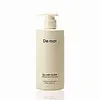
This mild cream cleanser is made to cleanse while respecting your skin barrier.
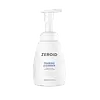
This mild foaming cleanser is made to cleanse without leaving your skin tight or dry.

What's inside
What's inside
 Key Ingredients
Benefits
Concerns
Ingredients Side-by-side
Brassica Oleracea Italica Water
Skin ProtectingHelianthus Annuus Seed Oil
Emollient



Simmondsia Chinensis Seed Oil
Emollient

Glycerin
Humectant
Glyceryl Stearate
Emollient
Decyl Glucoside
Cleansing
Madecassoside
Antioxidant




Ceramide NP
Skin Conditioning
Panthenol
Skin Conditioning
Centella Asiatica Extract
Cleansing
Asiaticoside
Antioxidant
Asiatic Acid
Skin Conditioning
Madecassic Acid
Skin Conditioning
Propolis Extract
Skin Conditioning

Limnanthes Alba Seed Oil
Skin Conditioning
Butylene Glycol
Humectant
Sodium Hyaluronate
Humectant
Hydrolyzed Hyaluronic Acid
Humectant
Sodium Acetylated Hyaluronate
Humectant
Cetearyl Olivate
Sorbitan Olivate
Emulsifying
Carbomer
Emulsion StabilisingArginine
Masking
Allantoin
Skin Conditioning
Xanthan Gum
EmulsifyingPropanediol
Solvent
Arachidyl Alcohol
Emollient
Behenyl Alcohol
Emollient
Arachidyl Glucoside
EmulsifyingCitric Acid
Buffering

Caprylyl Glycol
Emollient
Ethylhexylglycerin
Skin ConditioningBrassica Oleracea Italica Water, Helianthus Annuus Seed Oil, Simmondsia Chinensis Seed Oil, Glycerin, Glyceryl Stearate, Decyl Glucoside, Madecassoside, Ceramide NP, Panthenol, Centella Asiatica Extract, Asiaticoside, Asiatic Acid, Madecassic Acid, Propolis Extract, Limnanthes Alba Seed Oil, Butylene Glycol, Sodium Hyaluronate, Hydrolyzed Hyaluronic Acid, Sodium Acetylated Hyaluronate, Cetearyl Olivate, Sorbitan Olivate, Carbomer, Arginine, Allantoin, Xanthan Gum, Propanediol, Arachidyl Alcohol, Behenyl Alcohol, Arachidyl Glucoside, Citric Acid, Caprylyl Glycol, Ethylhexylglycerin
Water
Skin ConditioningDisodium Lauryl Sulfosuccinate
CleansingSodium Lauroyl Methyl Isethionate
CleansingDisodium Cocoamphodiacetate
CleansingCoco-Glucoside
Cleansing
Glycerin
Humectant
1,2-Hexanediol
Skin Conditioning
Betaine
Humectant
Sodium Chloride
MaskingHydroxyethyl Urea
Humectant
Citric Acid
Buffering
Hydroxyacetophenone
Antioxidant
Disodium EDTA
Hexylene Glycol
EmulsifyingSodium PCA
Humectant
Sodium Hyaluronate
Humectant
Myristoyl/Palmitoyl Oxostearamide/Arachamide Mea
Skin ConditioningWater, Disodium Lauryl Sulfosuccinate, Sodium Lauroyl Methyl Isethionate, Disodium Cocoamphodiacetate, Coco-Glucoside, Glycerin, 1,2-Hexanediol, Betaine, Sodium Chloride, Hydroxyethyl Urea, Citric Acid, Hydroxyacetophenone, Disodium EDTA, Hexylene Glycol, Sodium PCA, Sodium Hyaluronate, Myristoyl/Palmitoyl Oxostearamide/Arachamide Mea
Reviews
Ingredients Explained
These ingredients are found in both products.
Ingredients higher up in an ingredient list are typically present in a larger amount.
Citric Acid is an alpha hydroxy acid (AHA) naturally found in citrus fruits like oranges, lemons, and limes.
Like other AHAs, citric acid can exfoliate skin by breaking down the bonds that hold dead skin cells together. This helps reveal smoother and brighter skin underneath.
However, this exfoliating effect only happens at high concentrations (20%) which can be hard to find in cosmetic products.
Due to this, citric acid is usually included in small amounts as a pH adjuster. This helps keep products slightly more acidic and compatible with skin's natural pH.
In skincare formulas, citric acid can:
While it can provide some skin benefits, research shows lactic acid and glycolic acid are generally more effective and less irritating exfoliants.
Most citric acid used in skincare today is made by fermenting sugars (usually from molasses). This synthetic version is identical to the natural citrus form but easier to stabilize and use in formulations.
Read more about some other popular AHA's here:
Learn more about Citric AcidGlycerin (or glycerol) is a compound naturally found in your skin. It's a powerhouse humectant that pulls water into the stratum corneum.
Topically, glycerin does several things at once:
Your skin makes glycerin on its own (mostly from sebaceous oil breakdown) and shuttles it to your outermost layer of skin, or your epidermis, via aquaporin-3.
Aquaporin-3 is a transporter that is essential for normal skin hydration, elasticity, and repair. Interestingly, mice lacking in AQP3 have dry and less elastic skin that can be fully corrected with glycerin.
This ingredient is non-irritating, plays well with almost every ingredient, and works across all skin types. Typical use is anywhere between 3-10% but can go up to 79% in some leave-on products.
Just know very high concentrations (>40%) can feel tacky in low humidity.
Glycerin is the name for this ingredient in American English. British English uses Glycerol/Glycerine.
Learn more about GlycerinSodium Hyaluronate is the salt form of hyaluronic acid. It is a long sugar chain that is naturally found in your skin, joints, and connective tissue that maintains hydration and elasticity.
In skincare, it works as a humectant. It pulls water from the environment and deeper layers of skin and binds it to the surface.
Interestingly, the size of the molecule affects its behavior:
Some clinical evidence links low molecular weight versions to improved wrinkle depth, elasticity, anti-inflammatory effects, and barrier repair.
Many serums use a blend of both weights so you can get surface hydration plus longer-lasting and deeper effects.
You'll typically see concentrations between 0.1-2% for this ingredient.
Learn more about Sodium Hyaluronate

