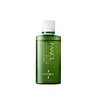
This mild gel cleanser is made to cleanse while calming and soothing your skin.
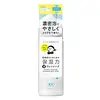
This mild foaming cleanser is made to cleanse without leaving your skin tight or dry.

What's inside
What's inside
 Key Ingredients
Benefits
Concerns
Ingredients Side-by-side
Water
Skin ConditioningDiglycerin
Humectant
Glycosyl Trehalose
Emulsion StabilisingHydrogenated Starch Hydrolysate
HumectantMaltitol
HumectantPotassium Cocoyl Glutamate
Surfactant
Sodium Cocoamphoacetate
CleansingButylene Glycol
Humectant
Glycerin
Humectant
Sodium Cocoyl Alaninate
Surfactant
Sodium Methyl Cocoyl Taurate
Cleansing
Arginine Cocoate
Skin Conditioning

Cellulose Gum
Emulsion StabilisingDiethylene Glycol/Hydrogenated Dimer Dilinoleic Acid Copolymer
Dipotassium Glycyrrhizate
Humectant

Behenyl Alcohol
Emollient
Potassium Hydroxide
BufferingTocopherol
Antioxidant




Water, Diglycerin, Glycosyl Trehalose, Hydrogenated Starch Hydrolysate, Maltitol, Potassium Cocoyl Glutamate, Sodium Cocoamphoacetate, Butylene Glycol, Glycerin, Sodium Cocoyl Alaninate, Sodium Methyl Cocoyl Taurate, Arginine Cocoate, Cellulose Gum, Diethylene Glycol/Hydrogenated Dimer Dilinoleic Acid Copolymer, Dipotassium Glycyrrhizate, Behenyl Alcohol, Potassium Hydroxide, Tocopherol
Dipotassium Glycyrrhizate
Humectant
Water
Skin ConditioningGlycerin
Humectant
Sorbitol
Humectant
Disodium EDTA
ChelatingButylene Glycol
Humectant
Glyceryl Linoleate
Emollient

Sodium Methyl Cocoyl Taurate
Cleansing
Lauryl Hydroxysultaine
CleansingPhenoxyethanol
Preservative
Ethylhexylglycerin
Skin ConditioningCitric Acid
Buffering
Sodium Citrate
BufferingSodium Hydroxide
BufferingHydrolyzed Hyaluronic Acid
Humectant
Hydrogenated Lecithin
Emulsifying
Phytosterols
Skin Conditioning
Phytosphingosine
Skin Conditioning
N-Stearoyl-Dihydrosphingosine
Skin ConditioningCeramide NP
Skin Conditioning
Ceramide EOP
Skin Conditioning
Tremella Fuciformis Polysaccharide
Emulsion Stabilising
Taurine
BufferingLysine Hcl
Skin Conditioning
Alanine
Masking
Histidine Hcl
Skin ConditioningArginine
Masking
Serine
Masking
Proline
Skin Conditioning
Glutamic Acid
Humectant
Threonine
Valine
MaskingLeucine
Skin ConditioningGlycine
Buffering
Allantoin
Skin Conditioning
Isoleucine
Skin ConditioningPhenylalanine
Masking
Petrolatum
Emollient


Niacinamide
Smoothing




Dipotassium Glycyrrhizate, Water, Glycerin, Sorbitol, Disodium EDTA, Butylene Glycol, Glyceryl Linoleate, Sodium Methyl Cocoyl Taurate, Lauryl Hydroxysultaine, Phenoxyethanol, Ethylhexylglycerin, Citric Acid, Sodium Citrate, Sodium Hydroxide, Hydrolyzed Hyaluronic Acid, Hydrogenated Lecithin, Phytosterols, Phytosphingosine, N-Stearoyl-Dihydrosphingosine, Ceramide NP, Ceramide EOP, Tremella Fuciformis Polysaccharide, Taurine, Lysine Hcl, Alanine, Histidine Hcl, Arginine, Serine, Proline, Glutamic Acid, Threonine, Valine, Leucine, Glycine, Allantoin, Isoleucine, Phenylalanine, Petrolatum, Niacinamide
Ingredients Explained
These ingredients are found in both products.
Ingredients higher up in an ingredient list are typically present in a larger amount.
Butylene Glycol (or BG) is used within cosmetic products for a few different reasons:
Overall, Butylene Glycol is a safe and well-rounded ingredient that works well with other ingredients.
Though this ingredient works well with most skin types, some people with sensitive skin may experience a reaction such as allergic rashes, closed comedones, or itchiness.
Learn more about Butylene GlycolDipotassium Glycyrrhizate comes from licorice root.
Extracts of licorice have demonstrated to have antibacterial, anti‐inflammatory, antiviral, antioxidant properties.
One component, glabridin, has extra potent antioxidant and soothing properties. It has also been found to block pigmentation from UVB rays in guinea pigs.
Licorice Root also contains a flavonoid. Flavonoids are a natural substance from in plants. Flavonoids also have antioxidant properties.
Another component, glycyrrhizin, has been found to have anti-inflammatory and antimicrobial benefits. This may make licorice root extract effective at treating acne. However, more research is needed to support this.
Liquiritin is one of the flavone compounds found in licorice. It has been found to help lighten skin by preventing tyrosinase from reacting with tyrosine. When the two react, protein is converted to melanin. Melanin is the substance in your body that gives your features pigmentation.
Licorice root is native to Southern Europe and Asia. It has been used in traditional Chinese medicine to help with respiratory issues.
Learn more about Dipotassium GlycyrrhizateGlycerin (or glycerol) is a compound naturally found in your skin. It's a powerhouse humectant that pulls water into the stratum corneum.
Topically, glycerin does several things at once:
Your skin makes glycerin on its own (mostly from sebaceous oil breakdown) and shuttles it to your outermost layer of skin, or your epidermis, via aquaporin-3.
Aquaporin-3 is a transporter that is essential for normal skin hydration, elasticity, and repair. Interestingly, mice lacking in AQP3 have dry and less elastic skin that can be fully corrected with glycerin.
This ingredient is non-irritating, plays well with almost every ingredient, and works across all skin types. Typical use is anywhere between 3-10% but can go up to 79% in some leave-on products.
Just know very high concentrations (>40%) can feel tacky in low humidity.
Glycerin is the name for this ingredient in American English. British English uses Glycerol/Glycerine.
Learn more about GlycerinSodium Methyl Cocoyl Taurate is a gentle, coconut-derived cleansing surfactant. It's most commonly found in "sulfate-free" cleansers.
As a taurate, it belongs to a class of anionic surfactants prized for being efficient at cleansing without harshness, good performance in hard water, stability across a wide pH range, and easily biodegradable.
It is able to lift away oil and grime and make a nice lather without stripping your skin, so it's a good pick for sensitive skin.
Safety-wise, it has a good record. The CIR Expert Panel has concluded this ingredient to be safe in cosmetics and concentrations go up to 11% in leave-on products or 13% in rinse-off products.
Despite being derived from coconut oil, this ingredient is fungal acne safe. It's a water-soluble surfactant with no fatty oils or esters left intact on skin for the Malassezia yeast to feed.
Learn more about Sodium Methyl Cocoyl TaurateWater. It's the most common cosmetic ingredient of all. You'll usually see it at the top of ingredient lists, meaning that it makes up the largest part of the product.
So why is it so popular? Water most often acts as a solvent - this means that it helps dissolve other ingredients into the formulation.
You'll also recognize water as that liquid we all need to stay alive. If you see this, drink a glass of water. Remember to stay hydrated!
Learn more about Water


