

What's inside
What's inside
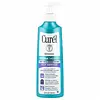 Key Ingredients
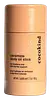
Benefits
Concerns
Ingredients Side-by-side
Water
Skin ConditioningGlycerin
Humectant


Isopropyl Palmitate
Emollient




Paraffinum Liquidum
Emollient

Ethylhexyl Isononanoate
EmollientButyrospermum Parkii Butter
Skin Conditioning
Cetearyl Alcohol
Emollient

C12-15 Alkyl Benzoate
AntimicrobialPetrolatum
Emollient
Trisiloxane
Skin Conditioning
Behenamidopropyl Dimethylamine
EmulsifyingCetyl-Pg Hydroxyethyl Palmitamide
Skin ConditioningParaffin
Skin Conditioning
Behentrimonium Chloride
Preservative
Allantoin
Skin Conditioning

Panthenol
Skin Conditioning
Ethylene/Propylene/Styrene Copolymer
Butylene Glycol
Humectant
Dimethicone
Emollient
Lactic Acid
Buffering






Benzalkonium Chloride
Antimicrobial
Butylene/Ethylene/Styrene Copolymer
Polyquaternium-37
Isopropyl Alcohol
Solvent
Citrus Aurantium Dulcis Peel Oil
Masking
Olea Europaea Fruit Oil
Masking
Tocopheryl Acetate
Antioxidant

Pentylene Glycol
Skin Conditioning
Avena Sativa Meal Extract
SoothingEucalyptus Globulus Leaf Extract
Perfuming
Sodium Lauroyl Lactylate
EmulsifyingHydroxyphenyl Propamidobenzoic Acid
Skin ConditioningCeramide NP
Skin Conditioning
Ceramide AP
Skin Conditioning
Cholesterol
Emollient
Phytosphingosine
Skin Conditioning
Carbomer
Emulsion StabilisingXanthan Gum
EmulsifyingCeramide EOP
Skin Conditioning
Methylparaben
Preservative

Ethylparaben
Preservative
Limonene
Perfuming
Water, Glycerin, Isopropyl Palmitate, Paraffinum Liquidum, Ethylhexyl Isononanoate, Butyrospermum Parkii Butter, Cetearyl Alcohol, C12-15 Alkyl Benzoate, Petrolatum, Trisiloxane, Behenamidopropyl Dimethylamine, Cetyl-Pg Hydroxyethyl Palmitamide, Paraffin, Behentrimonium Chloride, Allantoin, Panthenol, Ethylene/Propylene/Styrene Copolymer, Butylene Glycol, Dimethicone, Lactic Acid, Benzalkonium Chloride, Butylene/Ethylene/Styrene Copolymer, Polyquaternium-37, Isopropyl Alcohol, Citrus Aurantium Dulcis Peel Oil, Olea Europaea Fruit Oil, Tocopheryl Acetate, Pentylene Glycol, Avena Sativa Meal Extract, Eucalyptus Globulus Leaf Extract, Sodium Lauroyl Lactylate, Hydroxyphenyl Propamidobenzoic Acid, Ceramide NP, Ceramide AP, Cholesterol, Phytosphingosine, Carbomer, Xanthan Gum, Ceramide EOP, Methylparaben, Ethylparaben, Limonene
Helianthus Annuus Seed Oil
Emollient
Ethylhexyl Palmitate
Emollient
Stearic Acid
Cleansing
Helianthus Annuus Seed Wax
Skin Conditioning
Stearyl Behenate
Emollient
Polyhydroxystearic Acid
Emulsifying
Glyceryl Stearate
Emollient
Squalane
Emollient
Silica Silylate
Emollient
Butyrospermum Parkii Butter
Skin Conditioning
Tocopheryl Acetate
Antioxidant
Ceramide NP
Skin Conditioning
Ceramide Ns
Skin Conditioning
Ceramide As
Skin Conditioning
Ceramide AP
Skin Conditioning
Ceramide EOP
Skin Conditioning
Cholesterol
Emollient
Hydrogenated Lecithin
Emulsifying
2,3-Butanediol
HumectantCitric Acid
Buffering
Helianthus Annuus Seed Oil, Ethylhexyl Palmitate, Stearic Acid, Helianthus Annuus Seed Wax, Stearyl Behenate, Polyhydroxystearic Acid, Glyceryl Stearate, Squalane, Silica Silylate, Butyrospermum Parkii Butter, Tocopheryl Acetate, Ceramide NP, Ceramide Ns, Ceramide As, Ceramide AP, Ceramide EOP, Cholesterol, Hydrogenated Lecithin, 2,3-Butanediol, Citric Acid
Alternatives
Ingredients Explained
These ingredients are found in both products.
Ingredients higher up in an ingredient list are typically present in a larger amount.
This ingredient is also known as shea butter. It is a plant-derived extract from the nuts of the Africa shea tree and one of the most well-studied emollients.
Because it has a high concentration of fatty acids (primarily oleic, stearic, and linoleic) it is able to form a protective barrier on the skin's surface. This helps seal in moisture and prevents transepidermal water loss (TEWL).
In vitro research found an increase in skin hydration by 58% and a decrease in TEWL by 37.8% after 24 hours of applying this ingredient (pretty impressive for a single ingredient!).
Besides hydration, shea butter also contains triterpenes that have anti-inflammatory potential. In particule, lupeol cinnamate has shown the highest anti-inflammatory activity in vivo.
Shea butter also contains vitamins A and E which may contribute to antioxidant activity.
While Shea Butter has an SPF rating of about 3-4, it is not a sunscreen replacement.
This ingredient may not be fungal acne safe because its fatty acids fall within the C11-C24 range that the Malassezia yeast can metabolize.
This ingredient shows up on a lot of "pore-clogging" lists but there's no real evidence behind that. It doesn't even have a comedogenic rating from an actual study; the numbers you'll find online come from blogs citing other blogs.
Ratings for other ingredients mostly come from a 1980s rabbit ear test. This test doesn't translate well to human skin or to real products because the ingredient sits at a much lower percentage.
Some people still find it breaks them out. So if that's you, definitely trust your skin. Just know this one's based on experience and not evidence.
Learn more about Butyrospermum Parkii ButterCeramide AP is is a skin-identical lipid that mimics what your skin already makes naturally. Ceramides help maintain epidermal integrity and barrier function.
You'll often see this ingredient paired with other ceramides (like ceramide NP), cholesterol, or fatty acids because this combination best mimics the natural lipid mix your skin already has.
The skin's ability to produce ceramides gets disrupted in skin conditions like eczema. This in turn weakens the skin barrier and applying ceramides topically has been shown to replenish what's been lost to restore barrier function.
Most of the studies with Ceramide AP test it as part of a multi-ceramide complex; studies reinforce ceramide AP's role in rebalancing ceramides in skin and improving skin hydration.
Learn more about Ceramide APCeramide EOP is formally known as Ceramide 1.
It is naturally found in skin and part of the intercellular "mortar" holding everything together in your outermost layer.
EOP stands for a linked Ester fatty acid, a linked Omega hydroxy fatty acid, and the Phytosphingosine base.
What makes Ceramide EOP special is its ultra-long fatty acid chain; this unique structure allows it to bridge the lipid layers in your skin barrier to prevent water loss (something no other ceramide can do).
Low levels of Ceramide EOP have been found in people with eczema and psoriasis.
Using it together with other ceramides, cholesterol, and linoleic acid have been shown to meaningfully improve hydration and reduce water loss.
In one clinical study, a regimen using Ceramide EOP, NP, and AP led to significant symptom improvements in patients with eczema, psoriasis, and dry skin in just 4 weeks.
You'll usually see concentrations between 0.1-0.5% in formulations. Overall, this is a well-tolerated and safe ingredient for cosmetic use.
Learn more about Ceramide EOPCeramide NP (formerly known as Ceramide 3) is one of the skin's naturally occurring lipids.
Since ceramides are the major lipid components of the skin, they are crucial for maintaining skin barrier and hydration. Ceramide NP most closely mirrors the dominant kind in human skin amongst ceramide subtypes.
This ceramide works by slotting into gaps within the stratum corneum's lipid matrix to limit trans-epidermal water loss (TEWL) and shield the skin against external irritants.
A study with 312 patients found that using a ceramide-containing routine for 4 weeks reduced the severity of atopic dermatitis by over 61%.
Another clinical study in subjects aged 60 and older found that a ceramide body wash and moisturizer improved skin dryness and itchy skin in 15 days.
Overall, ceramides are considered non-irritating and safety tests have found little to no observable adverse effects from using this ingredient.
Ceramide NP is usually sourced from plants (like soybean or rice bran), or produced synthetically.
Learn more about Ceramide NPCholesterol is a lipid that is naturally found in human skin and is one of the three key components of your skin barrier. In skincare, it is an emollient and barrier-repairing ingredient.
It works by fitting directly into the lipid layers of skin to help restore structure and reduce transepidermal water loss (TEWL).
This is a great ingredient for dry, compromised, or aging skin; our skin starts to produce less cholesterol with age.
Research shows cholesterol works best in combination with ceramides and fatty acids, the other two major components in your skin barrier.
Cholesterol is also a well-establish penetration enhancer and can help other actives absorb more effectively.
Cosmetic-grade cholesterol is usually derived from lanolin but plant and synthetic options also exist. We recommend reaching out to the brand if you have questions about their source of cholesterol.
Learn more about CholesterolTocopheryl Acetate is a stable, shelf-friendly form of vitamin E.
Formulators love it because plain vitamin E oxidizes quickly once it hits air. This acetate version stays stable and resists going off, helping to extend a product's shelf life.
It's actually inactive on its own and works like a slow-release "storage" form; the enzymes in your skin called esterases gradually convert it into active vitamin E over time.
One in vivo study showed 5% of the acetate in the living layer of the epidermis converted to vitamin E after 5 days of application. This study also found the skin gained protection against UV damage even though the conversion was slow and small.
Once converted, vitamin E acts as a skin's main fat-soluble antioxidant that fights free radicals to protect skin from damage.
Topical vitamin E generally boosts the skin's photoprotection, and it reduced UV-damage in animal models.
This ingredient has some brightening potential but it's more of a prevention ingredient than spot-fader. Cell studies show it can slow down melanin production but it's worth noting that it's not the most powerful brightener out there.
Overall, it has a pretty solid safety profile and has been found to be non-irritating and non-comedogenic. Allergic reactions may happen but stay rare due to how widely the ingredient gets used.
The concentration will vary depending on the formula; industry data shows 0.1% in baby lotions, 3% in lipsticks, and 5% in foot powders. You can also find this ingredient at 100% in a pure vitamin E oil.
Most leave-on skincare keeps it at the lower end, often between 0.5-1%.
Learn more about Tocopheryl Acetate

