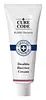
This barrier-repair moisturizer is formulated around Squalane and Ceramide NP to strengthen the skin barrier and hydrate skin.
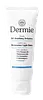
This calming moisturizer is formulated around Panthenol and Madecassoside to calm redness and strengthen the skin barrier.


What's inside
What's inside
 Key Ingredients
Benefits
Concerns
Ingredients Side-by-side
Water
Skin ConditioningGlycerin
Humectant


Pentylene Glycol
Skin Conditioning
Caprylic/Capric Triglyceride
Masking
Cetearyl Alcohol
Emollient





Squalane
Emollient
Polyglyceryl-10 Distearate
Emulsifying
Sorbitan Stearate
Emulsifying
Vitis Vinifera Seed Oil
Emollient

Glyceryl Stearate
Emollient
Palmitic Acid
Emollient
Stearic Acid
Cleansing
Phytosterols
Skin Conditioning
Allantoin
Skin Conditioning
Carbomer
Emulsion StabilisingN-Palmitoyl Serinol
Skin ProtectingAcetyl Glucosamine
Skin Conditioning

Arginine
Masking
Sodium Hyaluronate
Humectant
Butylene Glycol
Humectant
1,2-Hexanediol
Skin Conditioning
Ceramide NP
Skin Conditioning
Hypericum Perforatum Flower Extract
Skin ConditioningResveratrol
Antioxidant
Centella Asiatica Extract
Cleansing
Bifida Ferment Lysate
Skin Conditioning
Sialyllactose
Skin ConditioningWater, Glycerin, Pentylene Glycol, Caprylic/Capric Triglyceride, Cetearyl Alcohol, Squalane, Polyglyceryl-10 Distearate, Sorbitan Stearate, Vitis Vinifera Seed Oil, Glyceryl Stearate, Palmitic Acid, Stearic Acid, Phytosterols, Allantoin, Carbomer, N-Palmitoyl Serinol, Acetyl Glucosamine, Arginine, Sodium Hyaluronate, Butylene Glycol, 1,2-Hexanediol, Ceramide NP, Hypericum Perforatum Flower Extract, Resveratrol, Centella Asiatica Extract, Bifida Ferment Lysate, Sialyllactose
Water
Skin ConditioningDicaprylyl Ether
Emollient
Panthenol
Skin Conditioning
Glycerin
Humectant
Butyrospermum Parkii Butter
Skin Conditioning
Hydroxypropyl Starch
Polyglyceryl-6 Distearate
Emulsifying
Propanediol
Solvent
Butylene Glycol
Humectant
Cetyl Esters
Emollient
Jojoba Esters
Emollient
Behenyl Alcohol
Emollient
Acacia Decurrens Flower Wax
Emollient
Helianthus Annuus Seed Wax
Skin Conditioning
Madecassoside
Antioxidant
Centella Asiatica Leaf Extract
Skin Conditioning
Polymnia Sonchifolia Root Juice
Skin ConditioningZinc Gluconate
Skin Conditioning



Copper Gluconate
Skin Conditioning
Hydrogenated Polyisobutene
EmollientSilica
Abrasive
Aluminum Hydroxide
EmollientMagnesium Aspartate
Skin ConditioningPseudoalteromonas Ferment Extract
Humectant
Citric Acid
Buffering
Disodium EDTA
ChelatingBifida Ferment Lysate
Skin Conditioning
Dimethicone
Emollient
Cetearyl Isononanoate
Emollient
Maltodextrin
Absorbent
Polyglyceryl-4 Isostearate
Emulsifying
Tocopheryl Acetate
Antioxidant
Humulus Lupulus Extract
AntimicrobialPhenoxyethanol
Preservative
Sodium Lauroyl Lactylate
EmulsifyingCeramide NP
Skin Conditioning
Ceramide AP
Skin Conditioning
Cholesterol
Emollient
Phytosphingosine
Skin Conditioning
Xanthan Gum
EmulsifyingCarbomer
Emulsion StabilisingEthylhexylglycerin
Skin ConditioningCeramide EOP
Skin Conditioning
Polyglycerin-3
Humectant
Polyglyceryl-3 Beeswax
Emulsifying
Polysorbate 80
Emulsifying
Sorbitan Isostearate
Emulsifying
Chlorphenesin
Antimicrobial
Hydroxyethyl Acrylate/Sodium Acryloyldimethyl Taurate Copolymer
Emulsion StabilisingCetyl Alcohol
Emollient
CI 77891
Cosmetic ColorantWater, Dicaprylyl Ether, Panthenol, Glycerin, Butyrospermum Parkii Butter, Hydroxypropyl Starch, Polyglyceryl-6 Distearate, Propanediol, Butylene Glycol, Cetyl Esters, Jojoba Esters, Behenyl Alcohol, Acacia Decurrens Flower Wax, Helianthus Annuus Seed Wax, Madecassoside, Centella Asiatica Leaf Extract, Polymnia Sonchifolia Root Juice, Zinc Gluconate, Copper Gluconate, Hydrogenated Polyisobutene, Silica, Aluminum Hydroxide, Magnesium Aspartate, Pseudoalteromonas Ferment Extract, Citric Acid, Disodium EDTA, Bifida Ferment Lysate, Dimethicone, Cetearyl Isononanoate, Maltodextrin, Polyglyceryl-4 Isostearate, Tocopheryl Acetate, Humulus Lupulus Extract, Phenoxyethanol, Sodium Lauroyl Lactylate, Ceramide NP, Ceramide AP, Cholesterol, Phytosphingosine, Xanthan Gum, Carbomer, Ethylhexylglycerin, Ceramide EOP, Polyglycerin-3, Polyglyceryl-3 Beeswax, Polysorbate 80, Sorbitan Isostearate, Chlorphenesin, Hydroxyethyl Acrylate/Sodium Acryloyldimethyl Taurate Copolymer, Cetyl Alcohol, CI 77891
Reviews
Ingredients Explained
These ingredients are found in both products.
Ingredients higher up in an ingredient list are typically present in a larger amount.
Bifida Ferment Lysate is a postbiotic ingredient made by fermenting Bifidobacterium to extract a nutrient-rich mix of peptides, amino acids, vitamins, organic acids, and polysaccharides.
These components are basically the building blocks that your skin already uses to stay hydrated, repair itself, and maintain its barrier. That's why this ingredient helps your skin hold onto moisture and stay resilient against irritation.
One in-vitro study found that this ingredient tells your skin cells to produce more of the proteins (filaggrin, loricrin, and involucrin) for building a strong and healthy barrier. This study also found this ingredient to be a solid antioxidant that helped neutralize damage against UV and pollution.
A study with people from 2010 found that sensitive, reactive skin using a cream with 10% of this ingredient for a month became noticeably less dry, less reactive, and harder to irritate compared to the group using a plain cream.
In short, this ingredient is a well-tolerated ingredient that can help with barrier repair, antioxidant protection, and calming reactive skin.
This ingredient is generally considered fungal acne (Malassezia) safe; Bifidobacterium is a bacterium, not a yeast or fungus.
The fungal acne concern with fermented ingredients mainly applies to yeast-derived ferments like Saccharomyces and Galactomyces, because those are in the same kingdom as Malassezia and could theoretically contain residual compounds that feed it.
Bifida is a completely different organism, so on its own it doesn't provide a food source for the Malassezia yeast that causes fungal acne.
Learn more about Bifida Ferment LysateButylene Glycol (or BG) is used within cosmetic products for a few different reasons:
Overall, Butylene Glycol is a safe and well-rounded ingredient that works well with other ingredients.
Though this ingredient works well with most skin types, some people with sensitive skin may experience a reaction such as allergic rashes, closed comedones, or itchiness.
Learn more about Butylene GlycolCarbomer is a synthetic thickening and gelling agent. It's basically the ingredient that gives a lot of serums, gels, creams, and sunscreens their smooth, non-sticky texture.
Although legally permitted at very high levels, carbomers are normally used at concentrations below 1%.
It also needs to be neutralized to actually thicken, and because it is a large molecule, it doesn't really penetrate the skin barrier.
Allergy-wise, the risk is very low. Clinical studies show carbomers have low potential for skin irritation/sensitization even at concentrations up to 100%.
A 2024 UK study patch-tested 1,302 patients and found true allergy to the parent group of carbomer to be rare with no confirmed relevant reactions.
Learn more about CarbomerCeramide NP (formerly known as Ceramide 3) is one of the skin's naturally occurring lipids.
Since ceramides are the major lipid components of the skin, they are crucial for maintaining skin barrier and hydration. Ceramide NP most closely mirrors the dominant kind in human skin amongst ceramide subtypes.
This ceramide works by slotting into gaps within the stratum corneum's lipid matrix to limit trans-epidermal water loss (TEWL) and shield the skin against external irritants.
A study with 312 patients found that using a ceramide-containing routine for 4 weeks reduced the severity of atopic dermatitis by over 61%.
Another clinical study in subjects aged 60 and older found that a ceramide body wash and moisturizer improved skin dryness and itchy skin in 15 days.
Overall, ceramides are considered non-irritating and safety tests have found little to no observable adverse effects from using this ingredient.
Ceramide NP is usually sourced from plants (like soybean or rice bran), or produced synthetically.
Learn more about Ceramide NPGlycerin (or glycerol) is a compound naturally found in your skin. It's a powerhouse humectant that pulls water into the stratum corneum.
Topically, glycerin does several things at once:
Your skin makes glycerin on its own (mostly from sebaceous oil breakdown) and shuttles it to your outermost layer of skin, or your epidermis, via aquaporin-3.
Aquaporin-3 is a transporter that is essential for normal skin hydration, elasticity, and repair. Interestingly, mice lacking in AQP3 have dry and less elastic skin that can be fully corrected with glycerin.
This ingredient is non-irritating, plays well with almost every ingredient, and works across all skin types. Typical use is anywhere between 3-10% but can go up to 79% in some leave-on products.
Just know very high concentrations (>40%) can feel tacky in low humidity.
Glycerin is the name for this ingredient in American English. British English uses Glycerol/Glycerine.
Learn more about GlycerinWater. It's the most common cosmetic ingredient of all. You'll usually see it at the top of ingredient lists, meaning that it makes up the largest part of the product.
So why is it so popular? Water most often acts as a solvent - this means that it helps dissolve other ingredients into the formulation.
You'll also recognize water as that liquid we all need to stay alive. If you see this, drink a glass of water. Remember to stay hydrated!
Learn more about Water

