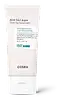
This chemical sunscreen covers the full UV range and blocks ~98% of UVB at SPF 50.
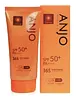
This hybrid sunscreen covers the full UV range and blocks ~98% of UVB at SPF 50.

What's inside
What's inside
 Key Ingredients
Benefits
Concerns
Ingredients Side-by-side
Aloe Barbadensis Leaf Water
MaskingHomosalate
Skin Conditioning

Butylene Glycol
Humectant

Diethylamino Hydroxybenzoyl Hexyl Benzoate
UV Filter
Ethylhexyl Salicylate
UV Absorber
Glycerin
Humectant
Water
Skin ConditioningBis-Ethylhexyloxyphenol Methoxyphenyl Triazine
UV Absorber
C12-15 Alkyl Benzoate
AntimicrobialMethyl Trimethicone
Skin Conditioning
Niacinamide
Smoothing









CI 77891
Cosmetic ColorantDiisopropyl Sebacate
EmollientTerephthalylidene Dicamphor Sulfonic Acid
UV Absorber
1,2-Hexanediol
Skin Conditioning
Potassium Cetyl Phosphate
EmulsifyingCetearyl Alcohol
Emollient






Tromethamine
BufferingGlyceryl Stearate
Emollient
Behenyl Alcohol
Emollient
Polyacrylate Crosspolymer-6
Emulsion StabilisingXanthan Gum
EmulsifyingSodium Polyacryloyldimethyl Taurate
Emulsion StabilisingHydrogenated Lecithin
Emulsifying
Poly C10-30 Alkyl Acrylate
Emulsion StabilisingEthylhexylglycerin
Skin ConditioningStearic Acid
Cleansing
Aluminum Hydroxide
EmollientPolyglyceryl-3 Methylglucose Distearate
Emulsifying
Palmitic Acid
Emollient
CI 77491
Cosmetic ColorantDisodium EDTA
Triethoxycaprylylsilane
CI 77492
Cosmetic ColorantSodium Hyaluronate
Humectant
Allantoin
Skin Conditioning
Myristic Acid
Cleansing
Cyanocobalamin
Skin ConditioningLauric Acid
Cleansing
Tocopherol
Antioxidant

Aloe Barbadensis Leaf Water, Homosalate, Butylene Glycol, Diethylamino Hydroxybenzoyl Hexyl Benzoate, Ethylhexyl Salicylate, Glycerin, Water, Bis-Ethylhexyloxyphenol Methoxyphenyl Triazine, C12-15 Alkyl Benzoate, Methyl Trimethicone, Niacinamide, CI 77891, Diisopropyl Sebacate, Terephthalylidene Dicamphor Sulfonic Acid, 1,2-Hexanediol, Potassium Cetyl Phosphate, Cetearyl Alcohol, Tromethamine, Glyceryl Stearate, Behenyl Alcohol, Polyacrylate Crosspolymer-6, Xanthan Gum, Sodium Polyacryloyldimethyl Taurate, Hydrogenated Lecithin, Poly C10-30 Alkyl Acrylate, Ethylhexylglycerin, Stearic Acid, Aluminum Hydroxide, Polyglyceryl-3 Methylglucose Distearate, Palmitic Acid, CI 77491, Disodium EDTA, Triethoxycaprylylsilane, CI 77492, Sodium Hyaluronate, Allantoin, Myristic Acid, Cyanocobalamin, Lauric Acid, Tocopherol
Cyclomethicone
Emollient
Titanium Dioxide
Cosmetic Colorant
Butylene Glycol
Humectant
Caprylic/Capric Triglyceride
Masking
Propylene Glycol
Humectant
Ethylhexyl Methoxycinnamate
UV Absorber
Cetyl PEG/PPG-10/1 Dimethicone
Emulsifying
4-Methylbenzylidene Camphor
UV Absorber
Zinc Oxide
Cosmetic Colorant
Paraffinum Liquidum
Emollient
Sorbitan Olivate
Emulsifying
Microcrystalline Wax
Emulsion StabilisingButyrospermum Parkii Butter
Skin Conditioning
Dimethicone
Emollient
CI 77492
Cosmetic ColorantSodium Hyaluronate
Humectant
Magnesium Sulfate
Beeswax
Emulsion Stabilising
CI 77491
Cosmetic ColorantCI 77499
Cosmetic ColorantAllantoin
Skin Conditioning
Betaine
Humectant
Sodium Chloride
MaskingGlyceryl Caprylate
EmollientCaprylyl Glycol
Emollient
Tocopheryl Acetate
Antioxidant
Camellia Sinensis Leaf Extract
Antimicrobial
Morus Alba Bark Extract
Skin ConditioningGlycyrrhiza Glabra Root Extract
Bleaching
Disodium EDTA
Cyclomethicone, Titanium Dioxide, Butylene Glycol, Caprylic/Capric Triglyceride, Propylene Glycol, Ethylhexyl Methoxycinnamate, Cetyl PEG/PPG-10/1 Dimethicone, 4-Methylbenzylidene Camphor, Zinc Oxide, Paraffinum Liquidum, Sorbitan Olivate, Microcrystalline Wax, Butyrospermum Parkii Butter, Dimethicone, CI 77492, Sodium Hyaluronate, Magnesium Sulfate, Beeswax, CI 77491, CI 77499, Allantoin, Betaine, Sodium Chloride, Glyceryl Caprylate, Caprylyl Glycol, Tocopheryl Acetate, Camellia Sinensis Leaf Extract, Morus Alba Bark Extract, Glycyrrhiza Glabra Root Extract, Disodium EDTA
Reviews
Ingredients Explained
These ingredients are found in both products.
Ingredients higher up in an ingredient list are typically present in a larger amount.
Allantoin is a soothing ingredient known for its protective and moisturizing properties; it's basically a quiet workhorse ingredient you can find in a huge range of cosmetics.
Though it can be derived from the comfrey plant, allantoin is produced synthetically for cosmetic products to ensure purity.
Research shows it can encourage your skin cells to turn over and renew by stimulating keratinocyte and fibroblast proliferation.
It also has mild keratolytic properties to help loosen and shed dead skin cells without being harsh.
Studies also suggest allantoin can help calm inflammation by dialing down some of the chemical signals your skin sends out when it is irritated.
This ingredient is typically used in the 0.1-0.5% range, and the FDA recognizes it as a skin protectant in OTC products up to 2%.
Overall, allantoin is a wonderful addition to most routines; it is stable across a wide pH range (~4-8), works well with other ingredients, and is considered non-sensitizing/non-irritating.
Fun fact: Allantoin is naturally occurring in comfrey root, beets, chamomile, and wheat sprouts. Our bodies even produce it as a byproduct of uric acid metabolism.
Learn more about AllantoinButylene Glycol (or BG) is used within cosmetic products for a few different reasons:
Overall, Butylene Glycol is a safe and well-rounded ingredient that works well with other ingredients.
Though this ingredient works well with most skin types, some people with sensitive skin may experience a reaction such as allergic rashes, closed comedones, or itchiness.
Learn more about Butylene GlycolCi 77491 is also hydrated iron III oxide. It's sole purpose is to give a red/pink hue to products.
Iron III oxides are classified as inorganic chemicals for coloring.
Synthetically created Ci 77491 is considered safer than those naturally found. This is because the synthetically created version may contain less impurities. Iron oxides are generally non-toxic and non-allergenic.
Learn more about CI 77491CI 77492 is also hydrated iron III oxide. It's sole purpose is to give a yellow hue to products.
Iron III oxides are classified as inorganic chemicals for coloring.
Synthetically created CI 77492 is considered safer than those naturally found. This is because the synthetically created version may contain less impurities. Iron oxides are generally non-toxic and non-allergenic.
Learn more about CI 77492Disodium EDTA is a chelating agent. It grabs onto and deactivates metal ions that sneak into your products from water, packaging, or air.
This ingredient mainly works behind the scenes and helps with:
On top of that, this ingredient can counteract the effects of hard water by binding to the minerals in it.
One thing worth knowing is that Disodium EDTA has been shown to be a mild penetration enhancer. It can help other ingredients absorb into skin more effectively which can be a double-edged sword (great for actives, but can also make the active too strong if you have sensitive skin).
Clinical patch testing showed no significant skin irritation at typical use concentrations and minimal dermal absorption.
You'll most likely see this ingredient near the end of an ingredient list. It's typically found in concentrations less than 1%.
Learn more about Disodium EDTASodium Hyaluronate is the salt form of hyaluronic acid. It is a long sugar chain that is naturally found in your skin, joints, and connective tissue that maintains hydration and elasticity.
In skincare, it works as a humectant. It pulls water from the environment and deeper layers of skin and binds it to the surface.
Interestingly, the size of the molecule affects its behavior:
Some clinical evidence links low molecular weight versions to improved wrinkle depth, elasticity, anti-inflammatory effects, and barrier repair.
Many serums use a blend of both weights so you can get surface hydration plus longer-lasting and deeper effects.
You'll typically see concentrations between 0.1-2% for this ingredient.
Learn more about Sodium Hyaluronate

