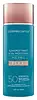
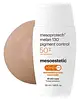
Colorescience Sunforgettable Total Protection Face Shield Flex SPF 50 Versus Mesoestetic Mesoprotech Melan 130 Pigment Control SPF 50+
This mineral sunscreen covers the full UV range and blocks ~98% of UVB at SPF 50.
This hybrid sunscreen covers the full UV range and blocks ~98% of UVB at SPF 50.


What's inside
What's inside
 Key Ingredients
Benefits
Concerns
Ingredients Side-by-side
Zinc Oxide 12%
Cosmetic Colorant


Water
Skin ConditioningC12-15 Alkyl Benzoate
AntimicrobialButyloctyl Salicylate
Skin Conditioning
Lauryl PEG-8 Dimethicone
Surfactant
Isododecane
EmollientPropanediol
Solvent

Caprylyl Methicone
Skin Conditioning
Dimethicone
Emollient
Niacinamide
Smoothing








Tridecyl Salicylate
Skin ConditioningDimethicone/Vinyl Dimethicone Crosspolymer
Skin Conditioning
Trilaureth-4 Phosphate
EmulsifyingDimethiconol
Emollient
Lauryl PEG-10 Tris(Trimethylsiloxy)Silylethyl Dimethicone
Emulsifying
Mica
Cosmetic ColorantPolyester-1
Maltodextrin
Absorbent
Sodium Chloride
MaskingBisabolol
Antioxidant
Disodium Lauriminodipropionate Tocopheryl Phosphates
CleansingEthylhexylglycerin
Skin ConditioningTremella Fuciformis Sporocarp Extract
Antioxidant
Allantoin
Skin Conditioning
Silica Dimethyl Silylate
EmollientCaprylyl Glycol
Emollient
Isoceteth-10
EmulsifyingZein
Skin ConditioningHexylene Glycol
EmulsifyingDimethylmethoxy Chromanol
Antioxidant
Synthetic Fluorphlogopite
Zea Mays Starch
Absorbent
Silica
Abrasive
Caesalpinia Spinosa Fruit Pod Extract
Hydrogenated Lecithin
Emulsifying
Tetrasodium Glutamate Diacetate
Caprylic/Capric Triglyceride
Masking
Helianthus Annuus Sprout Extract
Skin ConditioningPhenoxyethanol
Preservative
Sodium Benzoate
Masking
Benzoic Acid
Masking
Dehydroacetic Acid
Preservative
Sodium Hydroxide
BufferingSodium Myristoyl Glutamate
CleansingAluminum Hydroxide
EmollientCI 77891
Cosmetic ColorantIron Oxides
Zinc Oxide 12%, Water, C12-15 Alkyl Benzoate, Butyloctyl Salicylate, Lauryl PEG-8 Dimethicone, Isododecane, Propanediol, Caprylyl Methicone, Dimethicone, Niacinamide, Tridecyl Salicylate, Dimethicone/Vinyl Dimethicone Crosspolymer, Trilaureth-4 Phosphate, Dimethiconol, Lauryl PEG-10 Tris(Trimethylsiloxy)Silylethyl Dimethicone, Mica, Polyester-1, Maltodextrin, Sodium Chloride, Bisabolol, Disodium Lauriminodipropionate Tocopheryl Phosphates, Ethylhexylglycerin, Tremella Fuciformis Sporocarp Extract, Allantoin, Silica Dimethyl Silylate, Caprylyl Glycol, Isoceteth-10, Zein, Hexylene Glycol, Dimethylmethoxy Chromanol, Synthetic Fluorphlogopite, Zea Mays Starch, Silica, Caesalpinia Spinosa Fruit Pod Extract, Hydrogenated Lecithin, Tetrasodium Glutamate Diacetate, Caprylic/Capric Triglyceride, Helianthus Annuus Sprout Extract, Phenoxyethanol, Sodium Benzoate, Benzoic Acid, Dehydroacetic Acid, Sodium Hydroxide, Sodium Myristoyl Glutamate, Aluminum Hydroxide, CI 77891, Iron Oxides
Water
Skin ConditioningDibutyl Adipate
EmollientOctocrylene
UV Absorber
Cyclopentasiloxane
Emollient
Homosalate
Skin Conditioning
Bis-Ethylhexyloxyphenol Methoxyphenyl Triazine
Skin Conditioning
Alcohol
Antimicrobial


Butyl Methoxydibenzoylmethane
UV Absorber
Titanium Dioxide
Cosmetic Colorant
Methylene Bis-Benzotriazolyl Tetramethylbutylphenol
UV Filter
Cyclohexasiloxane
Emollient
PEG-30 Dipolyhydroxystearate
Emulsifying
Polysilicone-15
UV Filter
Styrene
Perfuming

PEG-10 Dimethicone
Skin Conditioning
Silica
Abrasive
Bis-Ethylhexyl Hydroxydimethoxy Benzylmalonate
Antioxidant
Polyamide-5
Skin ConditioningPotassium Azeloyl Diglycinate
Skin Conditioning
Jojoba Esters
Emollient
Hexyl Laurate
Emollient
Helianthus Annuus Seed Oil
Emollient
Dimethicone
Emollient
Ethylhexylglycerin
Skin ConditioningAcacia Decurrens Flower Wax
Emollient
Polyglycerin-3
Humectant
Polyamide-3
Cetyl PEG/PPG-10/1 Dimethicone
Emulsifying
Polyglyceryl-4 Isostearate
Emulsifying
Sodium Chloride
MaskingVp/Hexadecene Copolymer
Decyl Glucoside
Cleansing
Disteardimonium Hectorite
StabilisingDisodium EDTA
PEG-12 Allyl Ether
Hydrogenated Lecithin
Emulsifying
Propylene Glycol
Humectant
Xanthan Gum
EmulsifyingPentaerythrityl Tetra-Di-T-Butyl Hydroxyhydrocinnamate
Antioxidant
Phenoxyethanol
Preservative
Parfum
Masking
CI 77492
Cosmetic ColorantCI 77491
Cosmetic ColorantCI 77499
Cosmetic ColorantWater, Dibutyl Adipate, Octocrylene, Cyclopentasiloxane, Homosalate, Bis-Ethylhexyloxyphenol Methoxyphenyl Triazine, Alcohol, Butyl Methoxydibenzoylmethane, Titanium Dioxide, Methylene Bis-Benzotriazolyl Tetramethylbutylphenol, Cyclohexasiloxane, PEG-30 Dipolyhydroxystearate, Polysilicone-15, Styrene, PEG-10 Dimethicone, Silica, Bis-Ethylhexyl Hydroxydimethoxy Benzylmalonate, Polyamide-5, Potassium Azeloyl Diglycinate, Jojoba Esters, Hexyl Laurate, Helianthus Annuus Seed Oil, Dimethicone, Ethylhexylglycerin, Acacia Decurrens Flower Wax, Polyglycerin-3, Polyamide-3, Cetyl PEG/PPG-10/1 Dimethicone, Polyglyceryl-4 Isostearate, Sodium Chloride, Vp/Hexadecene Copolymer, Decyl Glucoside, Disteardimonium Hectorite, Disodium EDTA, PEG-12 Allyl Ether, Hydrogenated Lecithin, Propylene Glycol, Xanthan Gum, Pentaerythrityl Tetra-Di-T-Butyl Hydroxyhydrocinnamate, Phenoxyethanol, Parfum, CI 77492, CI 77491, CI 77499
Reviews
Ingredients Explained
These ingredients are found in both products.
Ingredients higher up in an ingredient list are typically present in a larger amount.
Dimethicone is a type of synthetic silicone created from natural materials such as quartz. It is also known as polydimethylsiloxane.
What it does:
Dimethicone comes in different viscosities:
Depending on the viscosity, dimethicone has different properties.
Ingredients lists don't always show which type is used, so we recommend reaching out to the brand if you have questions about the viscosity.
This ingredient is unlikely to cause irritation because it does not get absorbed into skin. However, people with silicone allergies should be careful about using this ingredient.
Note: Dimethicone may contribute to pilling. This is because it is not oil or water soluble, so pilling may occur when layered with products. When mixed with heavy oils in a formula, the outcome is also quite greasy.
Learn more about DimethiconeEthylhexylglycerin is created from glycerin. It is a multitasker ingredient that:
The CIR Expert Panel found minimal skin absorption or sensitization of any kind in a safety assessment. Though this ingredient is considered well-tolerated, a small number of cases of allergic dermatitis have been published since 2002. Just be sure to patch test if you are unsure.
Industry-reported use ranges from 8% in rinse-off products and 2% in leave-on formulations.
Learn more about EthylhexylglycerinHydrogenated Lecithin is a more stable version of lecithin.
It's made by taking lecithin (a phospholipid commonly found in soybeans and egg yolks) and hydrogenating it. This just means the unsaturated fatty acids are turned into saturated ones so they don't go bad as easily.
This ingredient is an emollient, emulsifier, and penetration enhancer. As an emollient, it helps soften and hydrate skin by trapping moisture within. As an emulsifier, it prevents oil and water ingredients from separating.
Hydrogenated Lecithin can form tiny spherical structures made of phospholipid bilayers called liposomes. These liposomes are able to capture compounds inside their structure and deliver them through the skin barrier.
Because phospholipids are a natural component of our cell membranes, this ingredient is inherently compatible with skin.
A 2021 study found lecithin-based surfactants were less harsh and more tolerable comared to Sodium Lauryl Sulfate (SLS).
Learn more about Hydrogenated LecithinPhenoxyethanol is one of the most widely used preservatives in skincare (and for good reason!).
It has a large spectrum of antimicrobial activity and especially effective bacteria, yeast, and mold while only having a weak effect on your skin's natural microbiome.
On a cellular level, it disrupts the cell membranes of microbes by poking holes that make the cell leak. This shuts down the chemical reactions the microbe needs to make energy so it can no longer survive.
Another perk of this ingredient is that it stays functional across a wide pH range (3-10).
You'll often see it paired with boosters like Ethylhexylglycerin; one study showed that a 1:9 ratio of Ethylhexylglycerin to Phenoxyethanol damages bacterial membranes as effectively as doubling the Phenoxyethanol concentration on its own.
Typical use concentrations range from 0.3-1% depending on the formula, and this ingredient is capped at 1% int the EU.
Safety-wise, the fear mongering does not hold up to the evidence. The EU's Scientific Committee on Consumer Safety and FDA consider it safe as a preservative at up to 1%, including for children of all ages.
Adverse systemic effects only showed up in animal studies at exposures roughly 200x higher than what people get from cosmetics. And despite its very widespread use, this ingredient is a rare sensitizer and allergic reactions are uncommon.
Learn more about PhenoxyethanolSilica, also known as silicon dioxide, is a naturally occurring mineral. It is used as a fine, spherical, and porous powder in cosmetics.
Though it has exfoliant properties, the function of silica varies depending on the product.
The unique structure of silica enhances the spreadability and adds smoothness, making it a great texture enhancer.
It is also used as an active carrier, emulsifier, and mattifier due to its ability to absorb excess oil.
In some products, tiny microneedles called spicules are made from silica or hydrolyzed sponge. When you rub them in, they lightly polish away dead skin layers and enhance the penetration of active ingredients.
Learn more about SilicaChances are, you eat sodium chloride every day. Sodium Chloride is also known as table salt. This ingredient has many purposes in skincare: thickener, emulsifier, and exfoliator.
You'll most likely find this ingredient in cleansers where it is used to create a gel-like texture. As an emulsifier, it also prevents ingredients from separating.
You might see people debate whether Sodium Chloride is comedogenic, but there actually haven't been any comedogenic tests done on it. Either way, the overall formulation of a product matters a lot more than any single ingredient.
You might see this ingredient used in scrubs as a primary exfoliating ingredient.
Learn more about Sodium ChlorideWater. It's the most common cosmetic ingredient of all. You'll usually see it at the top of ingredient lists, meaning that it makes up the largest part of the product.
So why is it so popular? Water most often acts as a solvent - this means that it helps dissolve other ingredients into the formulation.
You'll also recognize water as that liquid we all need to stay alive. If you see this, drink a glass of water. Remember to stay hydrated!
Learn more about Water

