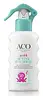
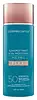
ACO Kids Active Sun Spray SPF 50+ Versus Colorescience Sunforgettable Total Protection Face Shield Flex SPF 50
This chemical sunscreen covers the full UV range and blocks ~98% of UVB at SPF 50.
This hybrid sunscreen covers the full UV range and blocks ~98% of UVB at SPF 50.


What's inside
What's inside
 Key Ingredients
Benefits
Concerns
Ingredients Side-by-side
Water
Skin ConditioningC12-15 Alkyl Benzoate
AntimicrobialMethylene Bis-Benzotriazolyl Tetramethylbutylphenol
UV Filter
Ethylhexyl Salicylate
UV Absorber
Bis-Ethylhexyloxyphenol Methoxyphenyl Triazine
UV Absorber
Diethylamino Hydroxybenzoyl Hexyl Benzoate
UV Filter
Ethylhexyl Triazone
UV Absorber
Glycerin
Humectant


Propanediol
Solvent
Diglycerin
Humectant
Canola Oil
Emollient





Myristyl Myristate
Emollient
Potassium Cetyl Phosphate
EmulsifyingVp/Eicosene Copolymer
1,2-Hexanediol
Skin Conditioning
Decyl Glucoside
Cleansing
Tocopheryl Acetate
Antioxidant


Polyglycerin-3
Humectant
Xanthan Gum
EmulsifyingCarbomer
Emulsion StabilisingCitric Acid
Buffering
Propylene Glycol
Humectant
Sodium Hydroxide
BufferingPotassium Sorbate
Preservative
Water, C12-15 Alkyl Benzoate, Methylene Bis-Benzotriazolyl Tetramethylbutylphenol, Ethylhexyl Salicylate, Bis-Ethylhexyloxyphenol Methoxyphenyl Triazine, Diethylamino Hydroxybenzoyl Hexyl Benzoate, Ethylhexyl Triazone, Glycerin, Propanediol, Diglycerin, Canola Oil, Myristyl Myristate, Potassium Cetyl Phosphate, Vp/Eicosene Copolymer, 1,2-Hexanediol, Decyl Glucoside, Tocopheryl Acetate, Polyglycerin-3, Xanthan Gum, Carbomer, Citric Acid, Propylene Glycol, Sodium Hydroxide, Potassium Sorbate
Zinc Oxide 12%
Cosmetic Colorant
Water
Skin ConditioningC12-15 Alkyl Benzoate
AntimicrobialButyloctyl Salicylate
Skin Conditioning
Lauryl PEG-8 Dimethicone
Surfactant
Isododecane
EmollientPropanediol
Solvent
Caprylyl Methicone
Skin Conditioning
Dimethicone
Emollient
Niacinamide
Smoothing







Tridecyl Salicylate
Skin Conditioning
Dimethicone/Vinyl Dimethicone Crosspolymer
Skin Conditioning
Trilaureth-4 Phosphate
EmulsifyingDimethiconol
Emollient
Lauryl PEG-10 Tris(Trimethylsiloxy)Silylethyl Dimethicone
Emulsifying
Mica
Cosmetic ColorantPolyester-1
Maltodextrin
Absorbent
Sodium Chloride
MaskingBisabolol
Antioxidant
Disodium Lauriminodipropionate Tocopheryl Phosphates
CleansingEthylhexylglycerin
Skin ConditioningTremella Fuciformis Sporocarp Extract
Antioxidant
Allantoin
Skin Conditioning
Silica Dimethyl Silylate
EmollientCaprylyl Glycol
Emollient
Isoceteth-10
EmulsifyingZein
Skin ConditioningHexylene Glycol
EmulsifyingDimethylmethoxy Chromanol
Antioxidant
Synthetic Fluorphlogopite
Zea Mays Starch
Absorbent
Silica
Abrasive
Caesalpinia Spinosa Fruit Pod Extract
Hydrogenated Lecithin
Emulsifying
Tetrasodium Glutamate Diacetate
ChelatingCaprylic/Capric Triglyceride
Masking
Helianthus Annuus Sprout Extract
Skin ConditioningPhenoxyethanol
Preservative
Sodium Benzoate
Masking
Benzoic Acid
Masking
Dehydroacetic Acid
Preservative
Sodium Hydroxide
BufferingSodium Myristoyl Glutamate
CleansingAluminum Hydroxide
EmollientCI 77891
Cosmetic ColorantIron Oxides
Zinc Oxide 12%, Water, C12-15 Alkyl Benzoate, Butyloctyl Salicylate, Lauryl PEG-8 Dimethicone, Isododecane, Propanediol, Caprylyl Methicone, Dimethicone, Niacinamide, Tridecyl Salicylate, Dimethicone/Vinyl Dimethicone Crosspolymer, Trilaureth-4 Phosphate, Dimethiconol, Lauryl PEG-10 Tris(Trimethylsiloxy)Silylethyl Dimethicone, Mica, Polyester-1, Maltodextrin, Sodium Chloride, Bisabolol, Disodium Lauriminodipropionate Tocopheryl Phosphates, Ethylhexylglycerin, Tremella Fuciformis Sporocarp Extract, Allantoin, Silica Dimethyl Silylate, Caprylyl Glycol, Isoceteth-10, Zein, Hexylene Glycol, Dimethylmethoxy Chromanol, Synthetic Fluorphlogopite, Zea Mays Starch, Silica, Caesalpinia Spinosa Fruit Pod Extract, Hydrogenated Lecithin, Tetrasodium Glutamate Diacetate, Caprylic/Capric Triglyceride, Helianthus Annuus Sprout Extract, Phenoxyethanol, Sodium Benzoate, Benzoic Acid, Dehydroacetic Acid, Sodium Hydroxide, Sodium Myristoyl Glutamate, Aluminum Hydroxide, CI 77891, Iron Oxides
Reviews
Ingredients Explained
These ingredients are found in both products.
Ingredients higher up in an ingredient list are typically present in a larger amount.
C12-15 Alkyl Benzoate is a lightweight emollient made by combinig benzoic acid with fatty alcohols that are 12-15 carbons long.
In cosmetics, it plays several roles:
The Cosmetic Review Expert Panel has concluded the alkyl benzoate group to be safe as used in cosmetics; it wasn't found to be a skin irritant and unlikely to be absorbed due to its low water solubility.
This report recorded almost 1000 reported uses with concentrations up to 59% in leave-on products but your cosmetics will typically use 0.5-15% depending on the product.
It's often called a "SPF booster": this is because it keeps UV filters properly dissolved and evenly distributed to support a sunscreen's performance. It doesn't actually raise SPF on its own.
Overall, this ingredient is well tolerated.
This ingredient is fungal acne safe because it is an ester of benzoic acid.
Think of this ingredient as two parts stuck together: an oily part and an acid part. Malassezia only gets a meal when it can snip off a fatty acid to eat. With C12-15 Alkyl Benzoate, the acid part is benzoic acid, which isn't a fatty acid and which the yeast can't use as food.
Benzoic acid is actually used as a preservative to stop yeast from growing.
The oily part is a blend of C12-15 fatty alcohols but fatty alcohols in this size range can support only a little Malassezia growth (mostly for one species of Malassezia as well).
In the ingredient, those alcohols stay locked inside the molecule. The yeast can only reach them by snipping the benzoate bond, and that type of bond is harder for it to cut than a normal fatty bond.
So not much gets released. And whatever does get snipped comes packaged with benzoic acid, which discourages yeast growth.
Learn more about C12-15 Alkyl BenzoatePropanediol is an all-star ingredient. It softens, hydrates, and smooths the skin.
It’s often used to:
Propanediol is not likely to cause sensitivity and considered safe to use. It is derived from corn or petroleum with a clear color and no scent.
Learn more about PropanediolSodium Hydroxide is also known as lye or caustic soda. It is used to adjust the pH of products; many ingredients require a specific pH to be effective.
In small amounts, sodium hydroxide is considered safe to use. However, large amounts may cause chemical burns due to its high alkaline.
Your skin has a natural pH and acid mantle. This acid mantle helps prevent harmful bacteria from breaking through. The acid mantle also helps keep your skin hydrated.
"Alkaline" refers to a high pH level. A low pH level would be considered acidic.
Learn more about Sodium HydroxideWater. It's the most common cosmetic ingredient of all. You'll usually see it at the top of ingredient lists, meaning that it makes up the largest part of the product.
So why is it so popular? Water most often acts as a solvent - this means that it helps dissolve other ingredients into the formulation.
You'll also recognize water as that liquid we all need to stay alive. If you see this, drink a glass of water. Remember to stay hydrated!
Learn more about Water

