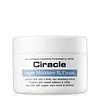
This barrier-repair moisturizer is formulated around Squalane and Beta-Glucan to strengthen the skin barrier and hydrate skin.
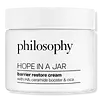
This barrier-repair moisturizer is formulated around Butyrospermum Parkii Butter and Squalane to strengthen the skin barrier and hydrate skin.


What's inside
What's inside
 Key Ingredients
Benefits
Concerns
Ingredients Side-by-side
Water
Skin ConditioningButylene Glycol
Humectant

Neopentyl Glycol Diethylhexanoate
Emollient
1,2-Hexanediol
Skin Conditioning
Squalane
Emollient
Betaine
Humectant
Cetearyl Olivate


Arginine
Masking
Arachidyl Alcohol
Emollient
Glycerin
Humectant
Carbomer
Emulsion StabilisingSorbitan Olivate
Emulsifying
Behenyl Alcohol
Emollient
Hydrogenated Lecithin
Emulsifying
Dimethicone
Emollient
Caprylyl Glycol
Emollient
Hydroxyethyl Acrylate/Sodium Acryloyldimethyl Taurate Copolymer
Emulsion StabilisingArachidyl Glucoside
EmulsifyingTocopheryl Acetate
Antioxidant


Ethylhexylglycerin
Skin ConditioningAllantoin
Skin Conditioning
Sodium Hyaluronate
Humectant
Parfum
Masking



Disodium EDTA
ChelatingDipotassium Glycyrrhizate
Humectant
Sorbitan Isostearate
Emulsifying
Polysorbate 60
Emulsifying
Beta-Glucan
Skin Conditioning
Sodium Polyglutamate
HumectantWater, Butylene Glycol, Neopentyl Glycol Diethylhexanoate, 1,2-Hexanediol, Squalane, Betaine, Cetearyl Olivate, Arginine, Arachidyl Alcohol, Glycerin, Carbomer, Sorbitan Olivate, Behenyl Alcohol, Hydrogenated Lecithin, Dimethicone, Caprylyl Glycol, Hydroxyethyl Acrylate/Sodium Acryloyldimethyl Taurate Copolymer, Arachidyl Glucoside, Tocopheryl Acetate, Ethylhexylglycerin, Allantoin, Sodium Hyaluronate, Parfum, Disodium EDTA, Dipotassium Glycyrrhizate, Sorbitan Isostearate, Polysorbate 60, Beta-Glucan, Sodium Polyglutamate
Water
Skin ConditioningGlycerin
Humectant
Caprylic/Capric Triglyceride
Masking
Behenyl Alcohol
Emollient
C10-18 Triglycerides
Emollient
Butyrospermum Parkii Butter
Skin Conditioning

Arachidyl Alcohol
Emollient
Polyacrylate Crosspolymer-6
Emulsion StabilisingPolyglyceryl-2 Diisostearate
Emulsifying
Cetyl Stearate
Emollient
1,2-Hexanediol
Skin Conditioning
Caprylyl Glycol
Emollient
Dimethicone
Emollient
Isododecane
EmollientTocopheryl Acetate
Antioxidant
Arachidyl Glucoside
EmulsifyingCetyl Alcohol
Emollient
Hydroxyacetophenone
Antioxidant
Hydroxyethyl Acrylate/Sodium Acryloyldimethyl Taurate Copolymer
Emulsion StabilisingIsostearyl Isostearate
Emollient
Potassium Cetyl Phosphate
EmulsifyingSqualane
Emollient
Maltodextrin
Absorbent
Polyglutamic Acid
Skin Conditioning
Methylpropanediol
SolventPolysorbate 60
Emulsifying
Trisodium Ethylenediamine Disuccinate
ChelatingLactobacillus
Skin ConditioningStearic Acid
Cleansing
Sorbitan Isostearate
Emulsifying
Pentylene Glycol
Skin Conditioning
Biosaccharide Gum-4
Skin Conditioning
Hordeum Vulgare Leaf Extract
Skin ConditioningHydrogenated Lecithin
Emulsifying
Sodium Hydroxide
BufferingCentella Asiatica Leaf Extract
Skin Conditioning
Hyaluronic Acid
Humectant
Rosmarinus Officinalis Leaf Extract
AntimicrobialSilanetriol
Calcium Chloride
AstringentCitric Acid
Buffering
Water, Glycerin, Caprylic/Capric Triglyceride, Behenyl Alcohol, C10-18 Triglycerides, Butyrospermum Parkii Butter, Arachidyl Alcohol, Polyacrylate Crosspolymer-6, Polyglyceryl-2 Diisostearate, Cetyl Stearate, 1,2-Hexanediol, Caprylyl Glycol, Dimethicone, Isododecane, Tocopheryl Acetate, Arachidyl Glucoside, Cetyl Alcohol, Hydroxyacetophenone, Hydroxyethyl Acrylate/Sodium Acryloyldimethyl Taurate Copolymer, Isostearyl Isostearate, Potassium Cetyl Phosphate, Squalane, Maltodextrin, Polyglutamic Acid, Methylpropanediol, Polysorbate 60, Trisodium Ethylenediamine Disuccinate, Lactobacillus, Stearic Acid, Sorbitan Isostearate, Pentylene Glycol, Biosaccharide Gum-4, Hordeum Vulgare Leaf Extract, Hydrogenated Lecithin, Sodium Hydroxide, Centella Asiatica Leaf Extract, Hyaluronic Acid, Rosmarinus Officinalis Leaf Extract, Silanetriol, Calcium Chloride, Citric Acid
Ingredients Explained
These ingredients are found in both products.
Ingredients higher up in an ingredient list are typically present in a larger amount.
1,2-Hexanediol is a synthetic liquid and another multi-functional powerhouse.
It is a:
- Humectant, drawing moisture into the skin
- Emollient, helping to soften skin
- Solvent, dispersing and stabilizing formulas
- Preservative booster, enhancing the antimicrobial activity of other preservatives
Arachidyl Alcohol is a fatty alcohol made from the the arachidic acid found in peanut oil.
Despite having "alcohol" in the name, it is not related to denatured alcohol or ethanol.
This ingredient is a multitasker:
Just be sure to patch this ingredient if you have a peanut allergy (though this ingredient is highly processed and the allergenic proteins are typically removed).
Learn more about Arachidyl AlcoholThis ingredient is a plant-based surfactant and emulsifier. It helps oil and water based ingredients mix evenly to improve formula stability without adding a "greasy" feel.
Behenyl Alcohol is a type of fatty alcohol (these are different from the drying, solvent alcohols).
Fatty Alcohols have hydrating properties and are most often used as an emollient or to thicken a product. They are usually derived from natural fats and oils; behenyl alcohol is derived from the fats of vegetable oils.
Emollients help keep your skin soft and hydrated by creating a film that traps moisture in.
In 2000, Behenyl Alcohol was approved by the US as medicine to reduce the duration of cold sores.
Learn more about Behenyl AlcoholCaprylyl Glycol is a humectant, skin conditioner, emollient, and preservative booster derived from either caprylic acid or synthetically created.
Typical use levels vary from 0.3-1% as a preservative booster and go up to 2% to condition skin.
Because it is not a free-fatty acid, this ingredient is fungal acne safe (there's nothing for Malassezia to feed on).
Learn more about Caprylyl GlycolDimethicone is a type of synthetic silicone created from natural materials such as quartz. It is also known as polydimethylsiloxane.
What it does:
Dimethicone comes in different viscosities:
Depending on the viscosity, dimethicone has different properties.
Ingredients lists don't always show which type is used, so we recommend reaching out to the brand if you have questions about the viscosity.
This ingredient is unlikely to cause irritation because it does not get absorbed into skin. However, people with silicone allergies should be careful about using this ingredient.
Note: Dimethicone may contribute to pilling. This is because it is not oil or water soluble, so pilling may occur when layered with products. When mixed with heavy oils in a formula, the outcome is also quite greasy.
Learn more about DimethiconeGlycerin (or glycerol) is a compound naturally found in your skin. It's a powerhouse humectant that pulls water into the stratum corneum.
Topically, glycerin does several things at once:
Your skin makes glycerin on its own (mostly from sebaceous oil breakdown) and shuttles it to your outermost layer of skin, or your epidermis, via aquaporin-3.
Aquaporin-3 is a transporter that is essential for normal skin hydration, elasticity, and repair. Interestingly, mice lacking in AQP3 have dry and less elastic skin that can be fully corrected with glycerin.
This ingredient is non-irritating, plays well with almost every ingredient, and works across all skin types. Typical use is anywhere between 3-10% but can go up to 79% in some leave-on products.
Just know very high concentrations (>40%) can feel tacky in low humidity.
Glycerin is the name for this ingredient in American English. British English uses Glycerol/Glycerine.
Learn more about GlycerinHydrogenated Lecithin is a more stable version of lecithin.
It's made by taking lecithin (a phospholipid commonly found in soybeans and egg yolks) and hydrogenating it. This just means the unsaturated fatty acids are turned into saturated ones so they don't go bad as easily.
This ingredient is an emollient, emulsifier, and penetration enhancer. As an emollient, it helps soften and hydrate skin by trapping moisture within. As an emulsifier, it prevents oil and water ingredients from separating.
Hydrogenated Lecithin can form tiny spherical structures made of phospholipid bilayers called liposomes. These liposomes are able to capture compounds inside their structure and deliver them through the skin barrier.
Because phospholipids are a natural component of our cell membranes, this ingredient is inherently compatible with skin.
A 2021 study found lecithin-based surfactants were less harsh and more tolerable comared to Sodium Lauryl Sulfate (SLS).
Learn more about Hydrogenated LecithinThis is a synthetic polymer. It helps improve the texture of products by adding thickness and gel-like feel.
It is also an emulsifer, meaning it prevents ingredients such as oil and water from separating. It also helps evenly disperse other ingredients.
Polysorbate 60 is used to help stabilize products. It is a surfactant and emulsifier. These properties help keep ingredients together in a product. Surfactants help reduce surface tension between ingredients with different states, such as liquids and solids. Emulsifiers help prevent oils and waters from separating.
Polysorbate 60 is sorbitol-based and created from the ethoxylation of sorbitan. Ethoxylation is a chemical reaction used to add ethylene oxide. Sorbitan is a the dehydrated version of sorbitol, a sugar found in fruits.
In this case, the 60 comes from reacting 60 units of ethylene oxide with sorbitan.
Polysorbates are commonly used in medicine and foods.
Learn more about Polysorbate 60Sorbitan Isostearate is an emulsifer. It is created from isostearic acid and sorbitol.
As an emulsifier, it keeps the water and oil ingredients from separating. This keeps formulas stable and smooth.
In a 24 hour occlusive patch test on 56 subjects, 10% sorbitan isostearate was completely non-irritating. Most formulas use less than 10%.
Because it's a fatty acid ester, it may not be fungal acne safe since the Malassezia yeast can utilize it as a nutrient source.
Learn more about Sorbitan IsostearateSqualane is the hydrogenated and shelf-stable form of squalene (a lipid that naturally occurs in human sebum).
It is an emollient and skin conditioning agent that is able to integrate seamlessly into the skin's lipid barrier without clogging pores.
This is due to how structurally similar it is to what your skin already produces.
Though it is mostly an emollient that helps soften and hydrate skin, it also has some humectant and occlusive action. Humectants help the skin retain moisture while occlusives seal it in, making squalane a triple-threat moisturizer.
Research shows it has antioxidant capabilities that help protect against stressors like UV exposure, specifically UVA induced oxidative stress. This study also found that it supports collagen biosynthesis in human dermal fibroblasts.
No clinical study has reported significant adverse effects and irritation reactions are very rare from this ingredient (even at 100% concentration).
Overall, it's a fantastic ingredient for hydration and is suitable for all skin types.
This depends on the source. Squalane can be derived from both plants and animals. Most squalane used in skincare comes from plants.
Please note: the source of squalane is only known if disclosed by the brand. We recommend reaching out to the brand if you have any questions about their squalane.
Read more about squalene with an "e".
Though squalane is often called an oil, it’s technically not one. It is a hydrocarbon, meaning it is only made of carbon and hydrogen. True oils are triglycerides and made of fatty acids and glycerol.
The term “oil-free” isn’t regulated so companies can define it however they want. Some exclude all oils, while others just avoid mineral oil or comedogenic oils.
Squalane has a comedogenic rating of 1 from the original 1972 study that tested raw ingredients under occlusion on rabbit ears. This system is not standardized or peer-reviewed, and using the raw ingredients is very different from how diluted cosmetic formulations are used on human skin.
A comedogenic rating of 1 means it is "unlikely to clog pores" according to the original rating system.
The overall formula of a product matters more than the individual ingredients on whether or not it will cause clogged pores.
Learn more about SqualaneTocopheryl Acetate is a stable, shelf-friendly form of vitamin E.
Formulators love it because plain vitamin E oxidizes quickly once it hits air. This acetate version stays stable and resists going off, helping to extend a product's shelf life.
It's actually inactive on its own and works like a slow-release "storage" form; the enzymes in your skin called esterases gradually convert it into active vitamin E over time.
One in vivo study showed 5% of the acetate in the living layer of the epidermis converted to vitamin E after 5 days of application. This study also found the skin gained protection against UV damage even though the conversion was slow and small.
Once converted, vitamin E acts as a skin's main fat-soluble antioxidant that fights free radicals to protect skin from damage.
Topical vitamin E generally boosts the skin's photoprotection, and it reduced UV-damage in animal models.
This ingredient has some brightening potential but it's more of a prevention ingredient than spot-fader. Cell studies show it can slow down melanin production but it's worth noting that it's not the most powerful brightener out there.
Overall, it has a pretty solid safety profile and has been found to be non-irritating and non-comedogenic. Allergic reactions may happen but stay rare due to how widely the ingredient gets used.
The concentration will vary depending on the formula; industry data shows 0.1% in baby lotions, 3% in lipsticks, and 5% in foot powders. You can also find this ingredient at 100% in a pure vitamin E oil.
Most leave-on skincare keeps it at the lower end, often between 0.5-1%.
Learn more about Tocopheryl AcetateWater. It's the most common cosmetic ingredient of all. You'll usually see it at the top of ingredient lists, meaning that it makes up the largest part of the product.
So why is it so popular? Water most often acts as a solvent - this means that it helps dissolve other ingredients into the formulation.
You'll also recognize water as that liquid we all need to stay alive. If you see this, drink a glass of water. Remember to stay hydrated!
Learn more about Water


