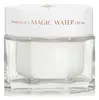
This barrier-repair moisturizer is formulated around Squalane and Niacinamide to strengthen the skin barrier and hydrate skin.
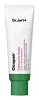
This calming moisturizer is formulated around Niacinamide and Madecassoside to calm redness and strengthen the skin barrier.


What's inside
What's inside
 Key Ingredients
Benefits
Concerns
Ingredients Side-by-side
Water
Skin ConditioningGlycerin
Humectant


Butyrospermum Parkii Butter
Skin Conditioning




Caprylic/Capric Triglyceride
Masking
Squalane
Emollient
Propanediol
Solvent
Pentylene Glycol
Skin Conditioning
1,2-Hexanediol
Skin Conditioning
Glyceryl Glucoside
Humectant
Niacinamide
Smoothing








Mannitol
Humectant
Aloe Barbadensis Leaf Juice
Skin Conditioning
Carbomer
Emulsion StabilisingCamellia Oleifera Seed Oil
Skin Conditioning
Rosa Canina Fruit Oil
Emollient
Caprylyl Glycol
Emollient
Acrylates/C10-30 Alkyl Acrylate Crosspolymer
Emulsion StabilisingHelianthus Annuus Seed Oil
Emollient
Sodium Gluconate
ChelatingSodium Hydroxide
BufferingTocopherol
Antioxidant

Beta-Glucan
Skin Conditioning
Sodium Hyaluronate
Humectant
Backhousia Citriodora Leaf Extract
AstringentVaccinium Macrocarpon Fruit Extract
AstringentPlumeria Rubra Flower Extract
Skin ConditioningAscorbyl Palmitate
Antioxidant
Acetyl Tetrapeptide-11
Skin Conditioning
Citric Acid
Buffering
Acetyl Tetrapeptide-9
Skin Conditioning
Potassium Sorbate
Preservative
Sodium Benzoate
Masking
Water, Glycerin, Butyrospermum Parkii Butter, Caprylic/Capric Triglyceride, Squalane, Propanediol, Pentylene Glycol, 1,2-Hexanediol, Glyceryl Glucoside, Niacinamide, Mannitol, Aloe Barbadensis Leaf Juice, Carbomer, Camellia Oleifera Seed Oil, Rosa Canina Fruit Oil, Caprylyl Glycol, Acrylates/C10-30 Alkyl Acrylate Crosspolymer, Helianthus Annuus Seed Oil, Sodium Gluconate, Sodium Hydroxide, Tocopherol, Beta-Glucan, Sodium Hyaluronate, Backhousia Citriodora Leaf Extract, Vaccinium Macrocarpon Fruit Extract, Plumeria Rubra Flower Extract, Ascorbyl Palmitate, Acetyl Tetrapeptide-11, Citric Acid, Acetyl Tetrapeptide-9, Potassium Sorbate, Sodium Benzoate
Water
Skin ConditioningButylene Glycol
Humectant
Glycerin
Humectant
Niacinamide
Smoothing
Caprylyl Methicone
Skin Conditioning
Pentylene Glycol
Skin Conditioning
1,2-Hexanediol
Skin Conditioning
Eryngium Maritimum Callus Culture Filtrate
Skin ConditioningCetearyl Olivate
Houttuynia Cordata Extract
Skin Conditioning
Hydrogenated Polydecene
EmollientIlex Aquifolium Leaf Extract
Skin ConditioningSorbitan Olivate
Emulsifying
Dimethicone/Vinyl Dimethicone Crosspolymer
Skin Conditioning
Streptococcus Thermophilus Ferment
Humectant
Achillea Millefolium Oil
Cleansing


Ammonium Acryloyldimethyltaurate/Vp Copolymer
Hydroxyacetophenone
Antioxidant
Acrylates/C10-30 Alkyl Acrylate Crosspolymer
Emulsion StabilisingCarbomer
Emulsion StabilisingTromethamine
BufferingMelia Azadirachta Leaf Extract
Skin ConditioningMelia Azadirachta Flower Extract
Skin ConditioningAdenosine
Skin Conditioning
DNA
Skin ConditioningLavandula Angustifolia Oil
Masking
Disodium EDTA
ChelatingSilica
Abrasive
Coccinia Indica Fruit Extract
Skin Conditioning
Citrus Aurantium Bergamia Fruit Oil
Masking
Hydrolyzed Hibiscus Esculentus Extract
Skin ConditioningLupinus Albus Seed Extract
Skin ConditioningMoringa Oleifera Seed Extract
Skin Conditioning
Panthenol
Skin Conditioning
Hedera Helix Extract
AntimicrobialAmber Powder
Solanum Melongena Fruit Extract
Skin ConditioningEthylhexylglycerin
Skin ConditioningCurcuma Longa Root Extract
Antioxidant
Ocimum Sanctum Leaf Extract
Skin ConditioningCorallina Officinalis Extract
Skin Conditioning
Moringa Oleifera Seed Oil
Emollient
Madecassoside
Antioxidant
Calcium Chloride
AstringentAsiatic Acid
Skin Conditioning
Asiaticoside
Antioxidant
Magnesium Sulfate
Madecassic Acid
Skin Conditioning
Centella Asiatica Extract
Cleansing
Water, Butylene Glycol, Glycerin, Niacinamide, Caprylyl Methicone, Pentylene Glycol, 1,2-Hexanediol, Eryngium Maritimum Callus Culture Filtrate, Cetearyl Olivate, Houttuynia Cordata Extract, Hydrogenated Polydecene, Ilex Aquifolium Leaf Extract, Sorbitan Olivate, Dimethicone/Vinyl Dimethicone Crosspolymer, Streptococcus Thermophilus Ferment, Achillea Millefolium Oil, Ammonium Acryloyldimethyltaurate/Vp Copolymer, Hydroxyacetophenone, Acrylates/C10-30 Alkyl Acrylate Crosspolymer, Carbomer, Tromethamine, Melia Azadirachta Leaf Extract, Melia Azadirachta Flower Extract, Adenosine, DNA, Lavandula Angustifolia Oil, Disodium EDTA, Silica, Coccinia Indica Fruit Extract, Citrus Aurantium Bergamia Fruit Oil, Hydrolyzed Hibiscus Esculentus Extract, Lupinus Albus Seed Extract, Moringa Oleifera Seed Extract, Panthenol, Hedera Helix Extract, Amber Powder, Solanum Melongena Fruit Extract, Ethylhexylglycerin, Curcuma Longa Root Extract, Ocimum Sanctum Leaf Extract, Corallina Officinalis Extract, Moringa Oleifera Seed Oil, Madecassoside, Calcium Chloride, Asiatic Acid, Asiaticoside, Magnesium Sulfate, Madecassic Acid, Centella Asiatica Extract
Reviews
Ingredients Explained
These ingredients are found in both products.
Ingredients higher up in an ingredient list are typically present in a larger amount.
1,2-Hexanediol is a synthetic liquid and another multi-functional powerhouse.
It is a:
- Humectant, drawing moisture into the skin
- Emollient, helping to soften skin
- Solvent, dispersing and stabilizing formulas
- Preservative booster, enhancing the antimicrobial activity of other preservatives
Acrylates/C10-30 Alkyl Acrylate Crosspolymer is a synthetic polymer. It is used to thicken, emulsify, and improve the texture of products.
As an emulsifier, it helps stabilize oil-in-water emulsions to give products an elegant feel when applied.
It can also form a thin protective film on skin. One study found that a formula using this polymer helped slow down how quickly other ingredients (like DEET) were absorbed through skin.
A 2024 study of over 1,300 patients confirmed that sensitization to this ingredient is rare. It is also non-mutagenic and has a clean track record.
Learn more about Acrylates/C10-30 Alkyl Acrylate CrosspolymerCarbomer is a synthetic thickening and gelling agent. It's basically the ingredient that gives a lot of serums, gels, creams, and sunscreens their smooth, non-sticky texture.
Although legally permitted at very high levels, carbomers are normally used at concentrations below 1%.
It also needs to be neutralized to actually thicken, and because it is a large molecule, it doesn't really penetrate the skin barrier.
Allergy-wise, the risk is very low. Clinical studies show carbomers have low potential for skin irritation/sensitization even at concentrations up to 100%.
A 2024 UK study patch-tested 1,302 patients and found true allergy to the parent group of carbomer to be rare with no confirmed relevant reactions.
Learn more about CarbomerGlycerin (or glycerol) is a compound naturally found in your skin. It's a powerhouse humectant that pulls water into the stratum corneum.
Topically, glycerin does several things at once:
Your skin makes glycerin on its own (mostly from sebaceous oil breakdown) and shuttles it to your outermost layer of skin, or your epidermis, via aquaporin-3.
Aquaporin-3 is a transporter that is essential for normal skin hydration, elasticity, and repair. Interestingly, mice lacking in AQP3 have dry and less elastic skin that can be fully corrected with glycerin.
This ingredient is non-irritating, plays well with almost every ingredient, and works across all skin types. Typical use is anywhere between 3-10% but can go up to 79% in some leave-on products.
Just know very high concentrations (>40%) can feel tacky in low humidity.
Glycerin is the name for this ingredient in American English. British English uses Glycerol/Glycerine.
Learn more about GlycerinNiacinamide is a multitasking form of vitamin B3 that strengthens the skin barrier, reduces pores and dark spots, regulates oil, and improves signs of aging.
And the best part? It's gentle and well-tolerated by most skin types, including sensitive and reactive skin.
You might have heard of "niacin flush", or the reddening of skin that causes itchiness. Niacinamide has not been found to cause this.
In very rare cases, some individuals may not be able to tolerate niacinamide at all or experience an allergic reaction to it.
If you are experiencing flaking, irritation, and dryness with this ingredient, be sure to double check all your products as this ingredient can be found in all categories of skincare.
When incorporating niacinamide into your routine, look out for concentration amounts. Typically, 5% niacinamide provides benefits such as fading dark spots. However, if you have sensitive skin, it is better to begin with a smaller concentration.
When you apply niacinamide to your skin, your body converts it into nicotinamide adenine dinucleotide (NAD). NAD is an essential coenzyme that is already found in your cells as "fuel" and powers countless biological processes.
In your skin, NAD helps repair cell damage, produce new healthy cells, support collagen production, strengthen the skin barrier, and fight environmental stressors (like UV and pollution).
Our natural NAD levels start to decline with age, leading to slower skin repair, visible aging, and a weaker skin barrier. By providing your skin niacinamide, you're recharging your skin's NAD levels. This leads to stronger, healthier, and younger looking skin.
Another name for vitamin B3 is nicotinamide. This vitamin is water-soluble and our bodies don't store it. We obtain Vitamin B3 from either food or skincare. Meat, fish, wheat, yeast, and leafy greens contain vitamin B3.
The type of niacinamide used in skincare is synthetically created.
Learn more about NiacinamidePentylene Glycol (1,2-pentanediol) is a multitasking little diol with three main roles in a formula:
Research on alkanediols (the family pentylene glycol belongs to) show they work by disrupting microbial cell membranes. This disruption helps the primary preservative system in a product work more effectively at lower doses.
On the safety side, the Cosmetic Ingredient Review Expert Panel has concluded this ingredient to be safe as used in current cosmetic practices + concentrations.
Typical use levels in a formula run about 1-5%.
Learn more about Pentylene GlycolWater. It's the most common cosmetic ingredient of all. You'll usually see it at the top of ingredient lists, meaning that it makes up the largest part of the product.
So why is it so popular? Water most often acts as a solvent - this means that it helps dissolve other ingredients into the formulation.
You'll also recognize water as that liquid we all need to stay alive. If you see this, drink a glass of water. Remember to stay hydrated!
Learn more about Water

