
What's inside
What's inside
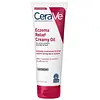 Key Ingredients
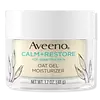
Benefits
Concerns
Ingredients Side-by-side
Cetearyl Alcohol
Emollient



Glycerin
Humectant



Cetyl Alcohol
Emollient
Ceteareth-20
Cleansing
Olea Europaea Fruit Oil
Masking

Isononyl Isononanoate
EmollientCarthamus Tinctorius Seed Oil
Masking
PEG-100 Stearate
Potassium Phosphate
BufferingAllantoin
Skin Conditioning

Ceramide NP
Skin Conditioning

Ceramide AP
Skin Conditioning
Ceramide EOP
Skin Conditioning
Carbomer
Emulsion StabilisingNiacinamide
Smoothing




Glyceryl Stearate
Emollient
Glycine Soja Oil
Emollient
Behentrimonium Methosulfate

Vitis Vinifera Seed Oil
Emollient
Sodium PCA
Humectant
Ophiopogon Japonicus Root Extract
Skin ConditioningSodium Lauroyl Lactylate
EmulsifyingHelianthus Annuus Seed Oil
Emollient
Cholesterol
Emollient
Rosmarinus Officinalis Extract
AntimicrobialRosmarinus Officinalis Leaf Extract
AntimicrobialPhenoxyethanol
Preservative
Chlorphenesin
Antimicrobial
Dipotassium Phosphate
BufferingTocopherol
Antioxidant

Propylheptyl Caprylate
EmollientHydroxyacetophenone
Antioxidant
Hydrolyzed Hyaluronic Acid
Humectant
Persea Gratissima Oil
Skin Conditioning
Xanthan Gum
EmulsifyingPhytosphingosine
Skin Conditioning
Ethylhexylglycerin
Skin ConditioningCetearyl Alcohol, Glycerin, Cetyl Alcohol, Ceteareth-20, Olea Europaea Fruit Oil, Isononyl Isononanoate, Carthamus Tinctorius Seed Oil, PEG-100 Stearate, Potassium Phosphate, Allantoin, Ceramide NP, Ceramide AP, Ceramide EOP, Carbomer, Niacinamide, Glyceryl Stearate, Glycine Soja Oil, Behentrimonium Methosulfate, Vitis Vinifera Seed Oil, Sodium PCA, Ophiopogon Japonicus Root Extract, Sodium Lauroyl Lactylate, Helianthus Annuus Seed Oil, Cholesterol, Rosmarinus Officinalis Extract, Rosmarinus Officinalis Leaf Extract, Phenoxyethanol, Chlorphenesin, Dipotassium Phosphate, Tocopherol, Propylheptyl Caprylate, Hydroxyacetophenone, Hydrolyzed Hyaluronic Acid, Persea Gratissima Oil, Xanthan Gum, Phytosphingosine, Ethylhexylglycerin
Water
Skin ConditioningGlycerin
Humectant
Dimethicone
Emollient
Cetearyl Olivate
Avena Sativa Kernel Flour
Abrasive

Sorbitan Olivate
Emulsifying
Polyacrylamide
Synthetic Beeswax
Emulsion Stabilising
Phenoxyethanol
Preservative
C13-14 Isoparaffin
Emollient
Butylene Glycol
Humectant
Dimethicone Crosspolymer
Emulsion Stabilising
Panthenol
Skin Conditioning
Chlorphenesin
Antimicrobial
Dimethiconol
Emollient
Carbomer
Emulsion StabilisingLaureth-7
EmulsifyingChrysanthemum Parthenium Flower/Leaf/Stem Juice
Antioxidant
Ethylhexylglycerin
Skin ConditioningSodium Hydroxide
BufferingAvena Sativa Kernel Extract
Abrasive
Centella Asiatica Extract
Cleansing
Water, Glycerin, Dimethicone, Cetearyl Olivate, Avena Sativa Kernel Flour, Sorbitan Olivate, Polyacrylamide, Synthetic Beeswax, Phenoxyethanol, C13-14 Isoparaffin, Butylene Glycol, Dimethicone Crosspolymer, Panthenol, Chlorphenesin, Dimethiconol, Carbomer, Laureth-7, Chrysanthemum Parthenium Flower/Leaf/Stem Juice, Ethylhexylglycerin, Sodium Hydroxide, Avena Sativa Kernel Extract, Centella Asiatica Extract
Reviews
Ingredients Explained
These ingredients are found in both products.
Ingredients higher up in an ingredient list are typically present in a larger amount.
Carbomer is a polymer of acrylic acid. Its main role is to create a gel consistency.
A high amount of carbomer can cause pilling or balling up of products. Don't worry, most products contain 1% or less of carbomer.
Chlorphenesin is a synthetic preservative. It helps protect a product against bacteria in order to extend shelf life. In most cases, Chlorphenesin is paired with other preservatives such as phenoxyethanol and caprylyl glycol.
Chlorphenesin is a biocide. This means it is able to help fight the microorganisms on our skin. It is also able to fight odor-releasing bacteria.
Chlorphenesin is soluble in both water and glycerin.
Studies show Chlorphenesin is easily absorbed by our skin. You should speak with a skincare professional if you have concerns about using Chlorphenesin.
Learn more about ChlorphenesinEthylhexylglycerin (we can't pronounce this either) is commonly used as a preservative and skin softener. It is derived from glyceryl.
You might see Ethylhexylglycerin often paired with other preservatives such as phenoxyethanol. Ethylhexylglycerin has been found to increase the effectiveness of these other preservatives.
Glycerin is already naturally found in your skin. It helps moisturize and protect your skin.
A study from 2016 found glycerin to be more effective as a humectant than AHAs and hyaluronic acid.
As a humectant, it helps the skin stay hydrated by pulling moisture to your skin. The low molecular weight of glycerin allows it to pull moisture into the deeper layers of your skin.
Hydrated skin improves your skin barrier; Your skin barrier helps protect against irritants and bacteria.
Glycerin has also been found to have antimicrobial and antiviral properties. Due to these properties, glycerin is often used in wound and burn treatments.
In cosmetics, glycerin is usually derived from plants such as soybean or palm. However, it can also be sourced from animals, such as tallow or animal fat.
This ingredient is organic, colorless, odorless, and non-toxic.
Glycerin is the name for this ingredient in American English. British English uses Glycerol/Glycerine.
Learn more about GlycerinPhenoxyethanol is a preservative that has germicide, antimicrobial, and aromatic properties. Studies show that phenoxyethanol can prevent microbial growth. By itself, it has a scent that is similar to that of a rose.
It's often used in formulations along with Caprylyl Glycol to preserve the shelf life of products.

