Centellian24 Madeca Acnience Pore Pack Cleanser Versus Garnier Skinactive Soothing Hyaluronic Aloe Cream Cleanser
This salicylic acid clay cleanser is formulated around Salicylic Acid to clear breakouts and unclog pores.
This cream makeup remover is made to dissolve makeup, sunscreen, and daily buildup.


What's inside
What's inside
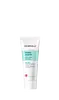 Key Ingredients
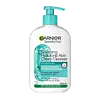
Benefits
Concerns
Ingredients Side-by-side
Water
Skin ConditioningButylene Glycol
Humectant

Glycerin
Humectant
Hydrogenated Palm Acid
Kaolin
Abrasive



Dipropylene Glycol
HumectantSorbeth-30 Tetraoleate
Emulsifying

Potassium Hydroxide
BufferingPalmitic Acid
Emollient


Glyceryl Stearate
Emollient
Centella Asiatica Extract
Cleansing



Centella Asiatica Leaf Extract
Skin Conditioning
Melaleuca Alternifolia Leaf Oil
Antioxidant




Mentha Piperita Oil
Masking

Citrus Aurantium Bergamia Fruit Oil
Masking
Quillaja Saponaria Bark Extract
CleansingMelaleuca Alternifolia Leaf Extract
Perfuming
Melaleuca Alternifolia Flower/Leaf/Stem Extract
Skin ConditioningCryptomeria Japonica Leaf Extract
HumectantNelumbo Nucifera Leaf Extract
Skin ConditioningSaccharomyces Ferment
Skin Conditioning
Artemisia Absinthium Extract
Skin ConditioningXylitol
Humectant
Pinus Pinaster Bark Extract
Antioxidant
Bentonite
Absorbent
Caprylic/Capric Triglyceride
Masking
Glycol Distearate
Emollient
Stearic Acid
Cleansing
Coco-Glucoside
Cleansing
Salicylic Acid
Masking


Glycol Stearate
Emollient
Cocamidopropyl Betaine
Cleansing
Acrylates/C10-30 Alkyl Acrylate Crosspolymer
Emulsion StabilisingPerlite
Absorbent
Sodium Cocoyl Isethionate
Cleansing
1,2-Hexanediol
Skin Conditioning
Silica
Abrasive
Sodium Chloride
MaskingSodium Phytate
ChelatingPentylene Glycol
Skin Conditioning
Citric Acid
Buffering
Ethylhexylglycerin
Skin ConditioningCeteareth-20
Cleansing
Erythritol
Humectant
Montmorillonite
AbsorbentHydrogenated Lecithin
Emulsifying
Illite
Abrasive
Asiaticoside
Antioxidant
Madecassic Acid
Skin Conditioning
Asiatic Acid
Skin Conditioning
Allantoin
Skin Conditioning
Totarol
Antioxidant
Xanthan Gum
EmulsifyingSodium Benzoate
Masking
Limonene
Perfuming
Linalool
Perfuming
CI 77289
Cosmetic ColorantCI 77492
Cosmetic ColorantWater, Butylene Glycol, Glycerin, Hydrogenated Palm Acid, Kaolin, Dipropylene Glycol, Sorbeth-30 Tetraoleate, Potassium Hydroxide, Palmitic Acid, Glyceryl Stearate, Centella Asiatica Extract, Centella Asiatica Leaf Extract, Melaleuca Alternifolia Leaf Oil, Mentha Piperita Oil, Citrus Aurantium Bergamia Fruit Oil, Quillaja Saponaria Bark Extract, Melaleuca Alternifolia Leaf Extract, Melaleuca Alternifolia Flower/Leaf/Stem Extract, Cryptomeria Japonica Leaf Extract, Nelumbo Nucifera Leaf Extract, Saccharomyces Ferment, Artemisia Absinthium Extract, Xylitol, Pinus Pinaster Bark Extract, Bentonite, Caprylic/Capric Triglyceride, Glycol Distearate, Stearic Acid, Coco-Glucoside, Salicylic Acid, Glycol Stearate, Cocamidopropyl Betaine, Acrylates/C10-30 Alkyl Acrylate Crosspolymer, Perlite, Sodium Cocoyl Isethionate, 1,2-Hexanediol, Silica, Sodium Chloride, Sodium Phytate, Pentylene Glycol, Citric Acid, Ethylhexylglycerin, Ceteareth-20, Erythritol, Montmorillonite, Hydrogenated Lecithin, Illite, Asiaticoside, Madecassic Acid, Asiatic Acid, Allantoin, Totarol, Xanthan Gum, Sodium Benzoate, Limonene, Linalool, CI 77289, CI 77492
Water
Skin ConditioningGlycerin
Humectant
Cocamidopropyl Betaine
Cleansing
Sodium C14-16 Olefin Sulfonate
Cleansing
Aloe Barbadensis Leaf Juice Powder
Skin Conditioning
Glycol Distearate
Emollient
Triethyl Citrate
Masking
PEG-55 Propylene Glycol Oleate
Surfactant
Sodium Chloride
MaskingSodium Hyaluronate
Humectant
Sodium Hydroxide
BufferingCoco-Betaine
Cleansing
Propylene Glycol
Humectant
Citric Acid
Buffering
Acrylates Copolymer
Sodium Benzoate
Masking
Benzoic Acid
Masking
Parfum
Masking
Water, Glycerin, Cocamidopropyl Betaine, Sodium C14-16 Olefin Sulfonate, Aloe Barbadensis Leaf Juice Powder, Glycol Distearate, Triethyl Citrate, PEG-55 Propylene Glycol Oleate, Sodium Chloride, Sodium Hyaluronate, Sodium Hydroxide, Coco-Betaine, Propylene Glycol, Citric Acid, Acrylates Copolymer, Sodium Benzoate, Benzoic Acid, Parfum
Ingredients Explained
These ingredients are found in both products.
Ingredients higher up in an ingredient list are typically present in a larger amount.
Citric Acid is an alpha hydroxy acid (AHA) naturally found in citrus fruits like oranges, lemons, and limes.
Like other AHAs, citric acid can exfoliate skin by breaking down the bonds that hold dead skin cells together. This helps reveal smoother and brighter skin underneath.
However, this exfoliating effect only happens at high concentrations (20%) which can be hard to find in cosmetic products.
Due to this, citric acid is usually included in small amounts as a pH adjuster. This helps keep products slightly more acidic and compatible with skin's natural pH.
In skincare formulas, citric acid can:
While it can provide some skin benefits, research shows lactic acid and glycolic acid are generally more effective and less irritating exfoliants.
Most citric acid used in skincare today is made by fermenting sugars (usually from molasses). This synthetic version is identical to the natural citrus form but easier to stabilize and use in formulations.
Rosacea skin has a lower threshold for acids generally, with 62.5% of rosacea subjects in one study reacting to lactic acid in a sting test. This is why we mark citric acid as a potential rosacea trigger.
However, this ingredient shows up as a pH adjuster or chelator at roughly 0.1-1% in many products. These low levels are unlikely to be an issue for rosacea skin and becomes a potential trigger at exfoliating concentrations (20%). Because everybody's skin is unique, we recommend a patch test if you are unsure.
Learn more about Citric AcidCocamidopropyl Betaine is a fatty acid created by mixing similar compounds in coconut oil and dimethylaminopropylamine, a compound with two amino groups.
This ingredient is a surfactant and cleanser. It helps gather the dirt, pollutants, and other impurities in your skin to be washed away. It also helps thicken a product and make the texture more creamy.
Being created from coconut oil means Cocamidopropyl Betaine is hydrating for the skin.
While Cocamidopropyl Betaine was believed to be an allergen, a study from 2012 disproved this. It found two compounds in unpure Cocamidopropyl Betaine to be the irritants: aminoamide and 3-dimethylaminopropylamine. High-grade and pure Cocamidopropyl Betaine did not induce allergic reactions during this study.
Learn more about Cocamidopropyl BetaineGlycerin (or glycerol) is a compound naturally found in your skin. It's a powerhouse humectant that pulls water into the stratum corneum.
Topically, glycerin does several things at once:
Your skin makes glycerin on its own (mostly from sebaceous oil breakdown) and shuttles it to your outermost layer of skin, or your epidermis, via aquaporin-3.
Aquaporin-3 is a transporter that is essential for normal skin hydration, elasticity, and repair. Interestingly, mice lacking in AQP3 have dry and less elastic skin that can be fully corrected with glycerin.
This ingredient is non-irritating, plays well with almost every ingredient, and works across all skin types. Typical use is anywhere between 3-10% but can go up to 79% in some leave-on products.
Just know very high concentrations (>40%) can feel tacky in low humidity.
Glycerin is the name for this ingredient in American English. British English uses Glycerol/Glycerine.
Learn more about GlycerinGlycol Distearate is an emulsifier and emollient that adds a "pearly" appearance to formulations.
That lustrous look you see in many shampoos is due to this ingredient: when cooled, it crystallizes into small platelets that reflect light to give products that rich, shimmering look.
This ingredient is considered safe at present practices of use and concentration and repeated insult patch test with 50% Glycol Distearate on 125 subjects found no evidence of skin irritation, hypersensitivity, or acute toxicity.
Typical use concentrations range from 0.1-10%.
Because it's an ester of stearic acid, it falls into the range that Malassezia likes to metabolize. This ingredient may not be fungal acne safe.
Learn more about Glycol DistearateSodium Benzoate is a preservative. It's used in both cosmetic and food products to inhibit the growth of mold and bacteria. It is typically produced synthetically.
Both the US FDA and EU Health Committee have approved the use of sodium benzoate. In the US, levels of 0.1% (of the total product) are allowed.
Sodium benzoate works as a preservative by inhibiting the growth of bacteria inside of cells. It prevents the cell from fermenting a type of sugar using an enzyme called phosphofructokinase.
It is the salt of benzoic acid. Foods containing sodium benzoate include soda, salad dressings, condiments, fruit juices, wines, and snack foods.
Studies for using ascorbic acid and sodium benzoate in cosmetics are lacking, especially in skincare routines with multiple steps.
We always recommend speaking with a professional, such as a dermatologist, if you have any concerns.
Learn more about Sodium BenzoateChances are, you eat sodium chloride every day. Sodium Chloride is also known as table salt. This ingredient has many purposes in skincare: thickener, emulsifier, and exfoliator.
You'll most likely find this ingredient in cleansers where it is used to create a gel-like texture. As an emulsifier, it also prevents ingredients from separating.
You might see people debate whether Sodium Chloride is comedogenic, but there actually haven't been any comedogenic tests done on it. Either way, the overall formulation of a product matters a lot more than any single ingredient.
You might see this ingredient used in scrubs as a primary exfoliating ingredient.
Learn more about Sodium ChlorideWater. It's the most common cosmetic ingredient of all. You'll usually see it at the top of ingredient lists, meaning that it makes up the largest part of the product.
So why is it so popular? Water most often acts as a solvent - this means that it helps dissolve other ingredients into the formulation.
You'll also recognize water as that liquid we all need to stay alive. If you see this, drink a glass of water. Remember to stay hydrated!
Learn more about Water

