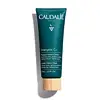
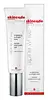
Caudalie Vinergetic C+ Instant Detox Mask Versus Skincode Essentials Alpine White Brightening Overnight Mask
This brightening overnight mask is formulated around Niacinamide and Superoxide Dismutase to brighten dull-looking skin and fade the look of dark spots.


What's inside
What's inside
 Key Ingredients
Benefits
Concerns
Ingredients Side-by-side
Water
Skin ConditioningKaolin
Abrasive



Bentonite
Absorbent
Glycerin
Humectant


Acacia Senegal Gum
MaskingXanthan Gum
EmulsifyingBenzyl Alcohol
Perfuming






Alcohol
Antimicrobial

Sodium Dehydroacetate
Preservative
CI 77491
Cosmetic ColorantCitrus Aurantium Bergamia Fruit Oil
Masking

Vitis Vinifera Fruit Extract
Skin ConditioningLimonene
Perfuming
Lavandula Angustifolia Oil
Masking
Linalool
Perfuming
Sodium Citrate
BufferingCitric Acid
Buffering

Dehydroacetic Acid
Preservative
Coffea Arabica Seed Extract
Masking
Coffea Robusta Seed Extract
Skin ConditioningCarbomer
Emulsion StabilisingCupressus Sempervirens Oil
Masking
Salvia Sclarea Oil
Masking
CI 77499
Cosmetic ColorantCommiphora Myrrha Oil
Masking
Santalum Album Oil
Masking
Anthemis Nobilis Flower Oil
Masking
Papain
Skin Conditioning
Petroselinum Crispum Seed Oil
Masking
1,2-Hexanediol
Skin Conditioning
Caprylyl Glycol
Emollient
Sodium Benzoate
Masking
Lactic Acid
Buffering
Algin
MaskingPotassium Sorbate
Preservative
Water, Kaolin, Bentonite, Glycerin, Acacia Senegal Gum, Xanthan Gum, Benzyl Alcohol, Alcohol, Sodium Dehydroacetate, CI 77491, Citrus Aurantium Bergamia Fruit Oil, Vitis Vinifera Fruit Extract, Limonene, Lavandula Angustifolia Oil, Linalool, Sodium Citrate, Citric Acid, Dehydroacetic Acid, Coffea Arabica Seed Extract, Coffea Robusta Seed Extract, Carbomer, Cupressus Sempervirens Oil, Salvia Sclarea Oil, CI 77499, Commiphora Myrrha Oil, Santalum Album Oil, Anthemis Nobilis Flower Oil, Papain, Petroselinum Crispum Seed Oil, 1,2-Hexanediol, Caprylyl Glycol, Sodium Benzoate, Lactic Acid, Algin, Potassium Sorbate
Water
Skin ConditioningCaprylic/Capric Triglyceride
Masking
Dimethicone
Emollient
Pentylene Glycol
Skin Conditioning
Glycerin
Humectant
Niacinamide
Smoothing

Butylene Glycol
Humectant
Cetearyl Alcohol
Emollient


Glyceryl Stearate
Emollient
Octyldodecanol
Emollient
Butyrospermum Parkii Butter
Skin Conditioning
Sodium Carboxymethyl Beta-Glucan
CleansingHydroxyethylcellulose
Emulsion StabilisingEthylhexylglycerin
Skin ConditioningCaprylyl Glycol
Emollient
Carbomer
Emulsion StabilisingDisodium EDTA
ChelatingSuperoxide Dismutase
Antioxidant
Chondrus Crispus Powder
Abrasive
Pentadecalactone
Masking
Sodium Hydroxide
BufferingTocopheryl Acetate
Antioxidant
PEG-8
HumectantSodium Hyaluronate
Humectant
Retinyl Palmitate
Skin Conditioning
Tocopherol
Antioxidant
Alcohol
Antimicrobial
Ascorbyl Palmitate
Antioxidant
Achillea Millefolium Extract
CleansingAlchemilla Vulgaris Extract
AstringentGlycosphingolipids
EmollientHordeum Vulgare Extract
EmollientMalva Sylvestris Extract
AstringentMentha Piperita Leaf Extract
Skin ConditioningPrimula Veris Extract
Skin ConditioningVeronica Officinalis Extract
Skin ConditioningAscorbic Acid
Antioxidant
Citric Acid
Buffering
Water, Caprylic/Capric Triglyceride, Dimethicone, Pentylene Glycol, Glycerin, Niacinamide, Butylene Glycol, Cetearyl Alcohol, Glyceryl Stearate, Octyldodecanol, Butyrospermum Parkii Butter, Sodium Carboxymethyl Beta-Glucan, Hydroxyethylcellulose, Ethylhexylglycerin, Caprylyl Glycol, Carbomer, Disodium EDTA, Superoxide Dismutase, Chondrus Crispus Powder, Pentadecalactone, Sodium Hydroxide, Tocopheryl Acetate, PEG-8, Sodium Hyaluronate, Retinyl Palmitate, Tocopherol, Alcohol, Ascorbyl Palmitate, Achillea Millefolium Extract, Alchemilla Vulgaris Extract, Glycosphingolipids, Hordeum Vulgare Extract, Malva Sylvestris Extract, Mentha Piperita Leaf Extract, Primula Veris Extract, Veronica Officinalis Extract, Ascorbic Acid, Citric Acid
Reviews
Ingredients Explained
These ingredients are found in both products.
Ingredients higher up in an ingredient list are typically present in a larger amount.
This ingredient is also called ethanol or ethyl alcohol. It is denatured, meaning made undrinkable for cosmetic use.
In formulas, it:
Is it bad for your skin?
The answer comes down to concentration. Patch and wash studies have found highly concentrated alcohol-based hand rubs (60-100%) cause less barrier disruption than washing with a basic detergent like SLS. The only measurable effect in these studies was a temporary dip in skin hydration.
Concentrations below 12-15% in leave-on cosmetics is generally well-tolerated. Concentrations above start to see increased transepidermal water loss (TEWL) and reduced hydration.
In concentrations about 58%, it creates temporary channels in your skin's lipid layers to become more permeable and allow other ingredients to slip through easily.
This ingredient can be up to 80% of the formula in alcohol-based perfumes.
Overall, this ingredient is probably harmless if found lower down an ingredients list but worth side-eyeing if it's high up (especially if your barrier is already struggling).
Alcohol can worsen dry skin, eczema, and oily skin, especially at higher concentrations. This is because it can increase transepidermal water loss and decrease hydration to disrupt the skin barrier.
According to the National Rosacea Society based in the US, you should be mindful of products with these alcohols in the top half of ingredients.
True allergic contact dermatitis to ethanol is uncommon, but be sure to patch test if you have dry or sensitive skin.
Learn more about AlcoholCaprylyl Glycol is a humectant, skin conditioner, emollient, and preservative booster derived from either caprylic acid or synthetically created.
Typical use levels vary from 0.3-1% as a preservative booster and go up to 2% to condition skin.
Because it is not a free-fatty acid, this ingredient is fungal acne safe (there's nothing for Malassezia to feed on).
Learn more about Caprylyl GlycolCarbomer is a synthetic thickening and gelling agent. It's basically the ingredient that gives a lot of serums, gels, creams, and sunscreens their smooth, non-sticky texture.
Although legally permitted at very high levels, carbomers are normally used at concentrations below 1%.
It also needs to be neutralized to actually thicken, and because it is a large molecule, it doesn't really penetrate the skin barrier.
Allergy-wise, the risk is very low. Clinical studies show carbomers have low potential for skin irritation/sensitization even at concentrations up to 100%.
A 2024 UK study patch-tested 1,302 patients and found true allergy to the parent group of carbomer to be rare with no confirmed relevant reactions.
Learn more about CarbomerCitric Acid is an alpha hydroxy acid (AHA) naturally found in citrus fruits like oranges, lemons, and limes.
Like other AHAs, citric acid can exfoliate skin by breaking down the bonds that hold dead skin cells together. This helps reveal smoother and brighter skin underneath.
However, this exfoliating effect only happens at high concentrations (20%) which can be hard to find in cosmetic products.
Due to this, citric acid is usually included in small amounts as a pH adjuster. This helps keep products slightly more acidic and compatible with skin's natural pH.
In skincare formulas, citric acid can:
While it can provide some skin benefits, research shows lactic acid and glycolic acid are generally more effective and less irritating exfoliants.
Most citric acid used in skincare today is made by fermenting sugars (usually from molasses). This synthetic version is identical to the natural citrus form but easier to stabilize and use in formulations.
Rosacea skin has a lower threshold for acids generally, with 62.5% of rosacea subjects in one study reacting to lactic acid in a sting test. This is why we mark citric acid as a potential rosacea trigger.
However, this ingredient shows up as a pH adjuster or chelator at roughly 0.1-1% in many products. These low levels are unlikely to be an issue for rosacea skin and becomes a potential trigger at exfoliating concentrations (20%). Because everybody's skin is unique, we recommend a patch test if you are unsure.
Learn more about Citric AcidGlycerin (or glycerol) is a compound naturally found in your skin. It's a powerhouse humectant that pulls water into the stratum corneum.
Topically, glycerin does several things at once:
Your skin makes glycerin on its own (mostly from sebaceous oil breakdown) and shuttles it to your outermost layer of skin, or your epidermis, via aquaporin-3.
Aquaporin-3 is a transporter that is essential for normal skin hydration, elasticity, and repair. Interestingly, mice lacking in AQP3 have dry and less elastic skin that can be fully corrected with glycerin.
This ingredient is non-irritating, plays well with almost every ingredient, and works across all skin types. Typical use is anywhere between 3-10% but can go up to 79% in some leave-on products.
Just know very high concentrations (>40%) can feel tacky in low humidity.
Glycerin is the name for this ingredient in American English. British English uses Glycerol/Glycerine.
Learn more about GlycerinWater. It's the most common cosmetic ingredient of all. You'll usually see it at the top of ingredient lists, meaning that it makes up the largest part of the product.
So why is it so popular? Water most often acts as a solvent - this means that it helps dissolve other ingredients into the formulation.
You'll also recognize water as that liquid we all need to stay alive. If you see this, drink a glass of water. Remember to stay hydrated!
Learn more about Water

