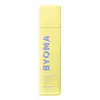
This mild cream cleanser is made to cleanse without leaving your skin tight or dry.
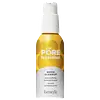
This mild foaming cleanser is made to cleanse while calming and soothing your skin.


What's inside
What's inside
 Key Ingredients
Benefits
Concerns
Ingredients Side-by-side
Water
Skin ConditioningGlycerin
Humectant


Decyl Glucoside
Cleansing
Cetyl Ethylhexanoate
EmollientEthylhexyl Palmitate
Emollient




Helianthus Annuus Seed Oil
Emollient
Diisostearyl Malate
EmollientArachidyl Alcohol
Emollient
Cetearyl Alcohol
Emollient
Panthenol
Skin Conditioning

Glucose
Humectant
Glyceryl Stearate
Emollient
Behenyl Alcohol
Emollient
Avena Sativa Meal Extract
SoothingDipropylene Glycol
HumectantArachidyl Glucoside
EmulsifyingCeramide NP
Skin Conditioning

Cholesterol
Emollient
Caprylic/Capric Triglyceride
Masking
Tocopherol
Antioxidant



Hydrogenated Lecithin
Emulsifying
Oryza Sativa Germ Extract
EmollientXanthan Gum
EmulsifyingHydroxyacetophenone
Antioxidant
Phytosphingosine
Skin Conditioning
Acrylates/C10-30 Alkyl Acrylate Crosspolymer
Emulsion StabilisingSodium Stearoyl Glutamate
CleansingCaprylyl Glycol
Emollient
Citric Acid
Buffering
Ethylhexylglycerin
Skin ConditioningDisodium EDTA
Stearic Acid
Cleansing
Oleic Acid
Emollient
Maltodextrin
Absorbent
Cetyl Alcohol
Emollient
Dipotassium Glycyrrhizate
Humectant
Astaxanthin
Skin Conditioning
1,2-Hexanediol
Skin Conditioning
Butylene Glycol
Humectant
Cocos Nucifera Fruit Extract
Emollient
Lactic Acid
Buffering



Cyanocobalamin
Skin ConditioningSodium Citrate
BufferingCaprylhydroxamic Acid
Water, Glycerin, Decyl Glucoside, Cetyl Ethylhexanoate, Ethylhexyl Palmitate, Helianthus Annuus Seed Oil, Diisostearyl Malate, Arachidyl Alcohol, Cetearyl Alcohol, Panthenol, Glucose, Glyceryl Stearate, Behenyl Alcohol, Avena Sativa Meal Extract, Dipropylene Glycol, Arachidyl Glucoside, Ceramide NP, Cholesterol, Caprylic/Capric Triglyceride, Tocopherol, Hydrogenated Lecithin, Oryza Sativa Germ Extract, Xanthan Gum, Hydroxyacetophenone, Phytosphingosine, Acrylates/C10-30 Alkyl Acrylate Crosspolymer, Sodium Stearoyl Glutamate, Caprylyl Glycol, Citric Acid, Ethylhexylglycerin, Disodium EDTA, Stearic Acid, Oleic Acid, Maltodextrin, Cetyl Alcohol, Dipotassium Glycyrrhizate, Astaxanthin, 1,2-Hexanediol, Butylene Glycol, Cocos Nucifera Fruit Extract, Lactic Acid, Cyanocobalamin, Sodium Citrate, Caprylhydroxamic Acid
Water
Skin ConditioningCoco-Betaine
Cleansing
Glycerin
Humectant
Butylene Glycol
Humectant
PEG-120 Methyl Glucose Dioleate
Emulsifying
Sodium Lauroyl Sarcosinate
CleansingMaltitol
HumectantSodium Methyl Cocoyl Taurate
Cleansing
Sodium Cocoyl Isethionate
Cleansing
Polyacrylate Crosspolymer-6
Emulsion StabilisingSodium Benzoate
Masking
Caprylyl Glycol
Emollient
Citric Acid
Buffering
Hydroxyacetophenone
Antioxidant
Parfum
Masking

Polyquaternium-22
Bisabolol
Antioxidant
Sodium Citrate
BufferingPentylene Glycol
Skin Conditioning
Citrus Limon Fruit Extract
Masking
Sphingolipids
Emollient
Sphingomonas Ferment Extract
Skin Conditioning
Citrus Junos Fruit Extract
Skin ConditioningPentaerythrityl Tetra-Di-T-Butyl Hydroxyhydrocinnamate
Antioxidant
Tocopherol
Antioxidant
Water, Coco-Betaine, Glycerin, Butylene Glycol, PEG-120 Methyl Glucose Dioleate, Sodium Lauroyl Sarcosinate, Maltitol, Sodium Methyl Cocoyl Taurate, Sodium Cocoyl Isethionate, Polyacrylate Crosspolymer-6, Sodium Benzoate, Caprylyl Glycol, Citric Acid, Hydroxyacetophenone, Parfum, Polyquaternium-22, Bisabolol, Sodium Citrate, Pentylene Glycol, Citrus Limon Fruit Extract, Sphingolipids, Sphingomonas Ferment Extract, Citrus Junos Fruit Extract, Pentaerythrityl Tetra-Di-T-Butyl Hydroxyhydrocinnamate, Tocopherol
Reviews
Ingredients Explained
These ingredients are found in both products.
Ingredients higher up in an ingredient list are typically present in a larger amount.
Butylene Glycol (or BG) is used within cosmetic products for a few different reasons:
Overall, Butylene Glycol is a safe and well-rounded ingredient that works well with other ingredients.
Though this ingredient works well with most skin types, some people with sensitive skin may experience a reaction such as allergic rashes, closed comedones, or itchiness.
Learn more about Butylene GlycolCaprylyl Glycol is a humectant, skin conditioner, emollient, and preservative booster derived from either caprylic acid or synthetically created.
Typical use levels vary from 0.3-1% as a preservative booster and go up to 2% to condition skin.
Because it is not a free-fatty acid, this ingredient is fungal acne safe (there's nothing for Malassezia to feed on).
Learn more about Caprylyl GlycolCitric Acid is an alpha hydroxy acid (AHA) naturally found in citrus fruits like oranges, lemons, and limes.
Like other AHAs, citric acid can exfoliate skin by breaking down the bonds that hold dead skin cells together. This helps reveal smoother and brighter skin underneath.
However, this exfoliating effect only happens at high concentrations (20%) which can be hard to find in cosmetic products.
Due to this, citric acid is usually included in small amounts as a pH adjuster. This helps keep products slightly more acidic and compatible with skin's natural pH.
In skincare formulas, citric acid can:
While it can provide some skin benefits, research shows lactic acid and glycolic acid are generally more effective and less irritating exfoliants.
Most citric acid used in skincare today is made by fermenting sugars (usually from molasses). This synthetic version is identical to the natural citrus form but easier to stabilize and use in formulations.
Read more about some other popular AHA's here:
Learn more about Citric AcidGlycerin (or glycerol) is a compound naturally found in your skin. It's a powerhouse humectant that pulls water into the stratum corneum.
Topically, glycerin does several things at once:
Your skin makes glycerin on its own (mostly from sebaceous oil breakdown) and shuttles it to your outermost layer of skin, or your epidermis, via aquaporin-3.
Aquaporin-3 is a transporter that is essential for normal skin hydration, elasticity, and repair. Interestingly, mice lacking in AQP3 have dry and less elastic skin that can be fully corrected with glycerin.
This ingredient is non-irritating, plays well with almost every ingredient, and works across all skin types. Typical use is anywhere between 3-10% but can go up to 79% in some leave-on products.
Just know very high concentrations (>40%) can feel tacky in low humidity.
Glycerin is the name for this ingredient in American English. British English uses Glycerol/Glycerine.
Learn more about GlycerinHydroxyacetophenone is a small phenolic molecule that earns its place in a formulas as an antioxidant and preservative booster.
As a phenol, it is able to neutralize free radicals to protect both the product and the skin from oxidative stress.
Though it can't kill microbes on its own, it works as a good supporting agent when combined with other preservatives like Phenoxyethanol or 1,2-Hexanediol.
This ingredient naturally occurs as piceol in Norwegian spruce needles (~0.4-1.1% dry weight and in cloudberries). Though the cosmetic-grade material is synthesized for purity and consistency.
You'll usually see it used at low levels and suppliers recommend up to 1% added to a water phase.
Safety testing was done at concentrations like 0.05% in SPF products and 0.5% in a Human Repeated Insult Patch Test. The safety evidence is assuring; this ingredient is safe for cosmetics in current use and also holds safety status as a food flavoring as well.
An honest caveat: the "soothing" and "anti-inflammatory" claims come mostly from supplier marketing rather than published clinical trials. The Cosmetic Ingredient Review's own literature search found no useful efficacy studies on this ingredient.
So the antioxidant and preservative-boosting roles are the well supported ones while the calming benefit is plausible but thinly evidenced.
Overall, this is a well-tolerated, low-irritation multitasker that quietly helps a formula stay fresh and stable.
Learn more about HydroxyacetophenoneSodium Citrate is the sodium salts of citric acid. In skincare, it is used to alter pH levels and acts as a preservative.
Its main functions are to maintain the pH of a product and neutralize metal ions.
The acidity of our skin is maintained by our glands and skin biome; normal pH level of skin is slightly acidic (~4.75-5.5).
Being slightly acidic allows our skin to create an "acid mantle". This acid mantle is a thin barrier that protects our skin from bacteria and contaminants.
Learn more about Sodium CitrateTocopherol is a fat-soluble antioxidant known as Vitamin E.
You'll find this ingredient in the vast majority of skincare (for good reason). It works to neutralize free radicals, or unstable molecules generated by UV exposure, pollution, and other environmental stressors, before they can cause oxidative damage to your skin cells.
Topically applied tocopherol has been shown to protect against UV damage by ramping up the skin's own natural defense enzymes.
It also acts as a skin conditioning agent; some studies show that regular topical use can improve the skin's water-binding capacity over 2-4 weeks.
This ingredient is especially loved for being a team player. When combined with Vitamin C, the photoprotective effect of both ingredients roughly doubles and the combo also helps reduce UV-induced DNA damage.
This ingredient has some brightening potential but it's more of a prevention ingredient than spot-fader. Cell studies show it can slow down melanin production but it's worth noting that it's not the most powerful brightener out there.
In formulations, it also serves as a stabilizer that helps protect other oxidation-prone ingredients from degrading.
Concentrations usually range from 0.1-1% in most leave-on products.
Learn more about TocopherolWater. It's the most common cosmetic ingredient of all. You'll usually see it at the top of ingredient lists, meaning that it makes up the largest part of the product.
So why is it so popular? Water most often acts as a solvent - this means that it helps dissolve other ingredients into the formulation.
You'll also recognize water as that liquid we all need to stay alive. If you see this, drink a glass of water. Remember to stay hydrated!
Learn more about Water

