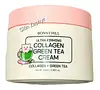
This anti-aging moisturizer is formulated around Niacinamide and Camellia Sinensis Leaf Extract to soften the look of wrinkles and hydrate skin.
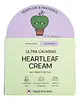
This moisturizer is formulated around Panthenol and Houttuynia Cordata Extract to hydrate skin.

What's inside
What's inside
 Key Ingredients
Benefits
Concerns
Ingredients Side-by-side
Water
Skin ConditioningDipropylene Glycol
HumectantCaprylic/Capric Triglyceride
Masking


Cetyl Ethylhexanoate
EmollientCetearyl Alcohol
Emollient





Niacinamide
Smoothing










1,2-Hexanediol
Skin Conditioning
Cetearyl Olivate
Sorbitan Olivate
Emulsifying
Glyceryl Stearate
Emollient
Stearic Acid
Cleansing
Vitis Vinifera Seed Oil
Emollient
Camellia Sinensis Seed Oil
Humectant
Carbomer
Emulsion StabilisingArginine
Masking
Camellia Sinensis Leaf Extract
Antimicrobial
Lactobacillus/Collagen Ferment Filtrate
Humectant
Hydrolyzed Collagen
Emollient
Soluble Collagen
Humectant
Argania Spinosa Kernel Oil
Emollient
Simmondsia Chinensis Seed Oil
Emollient
Adenosine
Skin Conditioning
Butylene Glycol
Humectant
Disodium EDTA
ChelatingParfum
Masking


Hexyl Cinnamal
Perfuming
Linalool
Perfuming
Citronellol
Perfuming
Water, Dipropylene Glycol, Caprylic/Capric Triglyceride, Cetyl Ethylhexanoate, Cetearyl Alcohol, Niacinamide, 1,2-Hexanediol, Cetearyl Olivate, Sorbitan Olivate, Glyceryl Stearate, Stearic Acid, Vitis Vinifera Seed Oil, Camellia Sinensis Seed Oil, Carbomer, Arginine, Camellia Sinensis Leaf Extract, Lactobacillus/Collagen Ferment Filtrate, Hydrolyzed Collagen, Soluble Collagen, Argania Spinosa Kernel Oil, Simmondsia Chinensis Seed Oil, Adenosine, Butylene Glycol, Disodium EDTA, Parfum, Hexyl Cinnamal, Linalool, Citronellol
Water
Skin ConditioningAlcohol
Antimicrobial

Glycerin
Humectant
Caprylic/Capric Triglyceride
Masking
Hydrogenated Coconut Oil
Emollient
Butylene Glycol
Humectant
PEG/PPG-17/6 Copolymer
SolventPanthenol
Skin Conditioning
Olive Oil PEG-8 Esters
Emollient
Polysorbate 60
Emulsifying
Caprylyl Glycol
Emollient
Bis-PEG-18 Methyl Ether Dimethyl Silane
Emollient1,2-Hexanediol
Skin Conditioning
Arginine
Masking
Carbomer
Emulsion StabilisingGlyceryl Stearate
Emollient
Betaine
Humectant
Propanediol
Solvent
Allantoin
Skin Conditioning
Tocopheryl Acetate
Antioxidant
Trehalose
Humectant
Parfum
Masking
Sodium Acrylate/Sodium Acryloyldimethyl Taurate Copolymer
Emulsion StabilisingXanthan Gum
EmulsifyingIsohexadecane
EmollientAdenosine
Skin Conditioning
Disodium EDTA
ChelatingSodium Hyaluronate
Humectant
Illicium Verum Fruit Extract
Perfuming
Polysorbate 80
Emulsifying
Houttuynia Cordata Extract
Skin Conditioning
Sorbitan Oleate
Emulsifying
Benzyl Glycol
SolventBeta-Glucan
Skin Conditioning
Ethylhexylglycerin
Skin ConditioningHamamelis Virginiana Extract
Antiseborrhoeic
Centella Asiatica Extract
Cleansing
Portulaca Oleracea Extract
Skin Conditioning
Calendula Officinalis Flower Extract
Masking
Scutellaria Baicalensis Root Extract
Astringent
Water, Alcohol, Glycerin, Caprylic/Capric Triglyceride, Hydrogenated Coconut Oil, Butylene Glycol, PEG/PPG-17/6 Copolymer, Panthenol, Olive Oil PEG-8 Esters, Polysorbate 60, Caprylyl Glycol, Bis-PEG-18 Methyl Ether Dimethyl Silane, 1,2-Hexanediol, Arginine, Carbomer, Glyceryl Stearate, Betaine, Propanediol, Allantoin, Tocopheryl Acetate, Trehalose, Parfum, Sodium Acrylate/Sodium Acryloyldimethyl Taurate Copolymer, Xanthan Gum, Isohexadecane, Adenosine, Disodium EDTA, Sodium Hyaluronate, Illicium Verum Fruit Extract, Polysorbate 80, Houttuynia Cordata Extract, Sorbitan Oleate, Benzyl Glycol, Beta-Glucan, Ethylhexylglycerin, Hamamelis Virginiana Extract, Centella Asiatica Extract, Portulaca Oleracea Extract, Calendula Officinalis Flower Extract, Scutellaria Baicalensis Root Extract
Ingredients Explained
These ingredients are found in both products.
Ingredients higher up in an ingredient list are typically present in a larger amount.
1,2-Hexanediol is a synthetic liquid and another multi-functional powerhouse.
It is a:
- Humectant, drawing moisture into the skin
- Emollient, helping to soften skin
- Solvent, dispersing and stabilizing formulas
- Preservative booster, enhancing the antimicrobial activity of other preservatives
Adenosine is a purine nucleoside that your body already makes in every cell. In skincare, it acts mainly as a skin conditioning and anti-aging agent.
The way it works is fairly well mapped out:
Your skin has cells called fibroblasts that build collagen (the stuff that keeps skin firm and smooth). Adenosine basically flips a switch on these cells that tells them to get to work making more collagen and other proteins. These cells slow down on their own as skin ages, so Adenosine helps give them a little nudge to keep going.
The clinical backing is pretty solid too.
A blind, randomized, placebo-controlled trial of 126 women aged 45-65 tested a 0.1% cream twice daily and found real improvements in crow's feet and frown lines using a precise 3D skin-mapping technique; these changes showed up by week 3 and held at 2 months.
A later study using Adenosine-loaded dissolving microneedle patches reported gains in wrinkle depth, dermal density, elasticity, and hydration.
On concentrations, South Korea's Ministry of Food and Drug Safety has set 0.04% as the approved functional anti-wrinkle level. You'll typically see this ingredient used somewhere in the 0.04-0.1% range since it works at low doses.
This ingredient has been found safe for cosmetics with the data showing no irritation or sensitization.
Overall, this is a great ingredient for any anti-aging routine and has no photosensitizing effect, so it suits both AM and PM use.
Learn more about AdenosineArginine is a semi-essential amino acid. This just means our bodies can product a bit on its own, but sometimes needs a little boost from food sources.
It is a part of your skin's natural moisturizing factor (NMF), or the water-loving molecules in your outermost layer of skin (stratum corneum) that keeps everything hydrated and happy.
Here's an interesting thing about Arginine: your skin converts it into urea through the Krebs-Henseleit urea cycle. Urea is one of the most effective humectants your skin naturally produces.
A clinical study showed applying 2.5% arginine hydrochloride to atopic dermatitis skin showed significant urea levels in the stratum corneum and improved moisture in just four weeks.
Arginine is also a precursor to nitric oxide; nitric oxide improves microcirculation and supports wound healing and collagen synthesis.
One study found that an amino acid complex containing Arginine reduced skin irritation, improved hydration, and accelerated skin repair in clinical / in-vivo studies.
Arginine itself is an amino acid and not a fatty acid, oil, or ester. On its own, it's not a direct food source for Malassezia, or the yeast that causes fungal acne.
Learn more about ArginineButylene Glycol (or BG) is used within cosmetic products for a few different reasons:
Overall, Butylene Glycol is a safe and well-rounded ingredient that works well with other ingredients.
Though this ingredient works well with most skin types, some people with sensitive skin may experience a reaction such as allergic rashes, closed comedones, or itchiness.
Learn more about Butylene GlycolCaprylic/Capric Triglyceride (aka MCT Oil) is a lightweight emollient, solvent, and texture enhancer. It is considered a skin-softener by helping to prevent moisture loss.
Though it behaves like an oil, it is not technically one due to its chemical composition. One perk of this ingredient is that it is very stable, resistant to oxidation, and unlikely to go rancid.
In practice, that translates to a long shelf life and a consistently elegant skin feel.
While there is an assumption Caprylic Triglyceride can clog pores due to it being derived from coconut oil, there is no research supporting this. Just patch test if you have concerns.
Fractionated coconut oil and MCT Oil are both listed as Caprylic/Capric Triglyceride according to INCI. This is because INCI names are based on the ingredient’s final chemical composition and not its marketing name or source.
This ingredient is treated as the gold standard fungal acne safe oil. Even though it is coconut derived, the problematic lauric acid is stripped out.
This leaves just caprylic (C8) and capric (C10) acid. These chain lengths actually trend antifungal; a 2020 study found caprylic acid was enough to disrupt Malassezia furfur cell membrane, with a caprylic acid derivative damaging membrane structures at concentrations as low as 0.2%.
Learn more about Caprylic/Capric TriglycerideCarbomer is a synthetic thickening and gelling agent. It's basically the ingredient that gives a lot of serums, gels, creams, and sunscreens their smooth, non-sticky texture.
Although legally permitted at very high levels, carbomers are normally used at concentrations below 1%.
It also needs to be neutralized to actually thicken, and because it is a large molecule, it doesn't really penetrate the skin barrier.
Allergy-wise, the risk is very low. Clinical studies show carbomers have low potential for skin irritation/sensitization even at concentrations up to 100%.
A 2024 UK study patch-tested 1,302 patients and found true allergy to the parent group of carbomer to be rare with no confirmed relevant reactions.
Learn more about CarbomerDisodium EDTA is a chelating agent. It grabs onto and deactivates metal ions that sneak into your products from water, packaging, or air.
This ingredient mainly works behind the scenes and helps with:
On top of that, this ingredient can counteract the effects of hard water by binding to the minerals in it.
One thing worth knowing is that Disodium EDTA has been shown to be a mild penetration enhancer. It can help other ingredients absorb into skin more effectively which can be a double-edged sword (great for actives, but can also make the active too strong if you have sensitive skin).
Clinical patch testing showed no significant skin irritation at typical use concentrations and minimal dermal absorption.
You'll most likely see this ingredient near the end of an ingredient list. It's typically found in concentrations less than 1%.
Learn more about Disodium EDTAGlyceryl Stearate is made by reacting glycerin with stearic acid (typically sourced from plant oils like palm or coconut). It's an emulsifier, emollient, and mild occlusive.
Emulsifiers help ingredients like oil and water stay mixed so your formula stays nicely blended and uniform in texture.
This ingredient is typically used in concentrations between 1-10%. Studies have found it to be non-sensitizing, non-phototoxic, and non-photoallergenic.
A close cousin of this ingredient is Glyceryl Stearate SE ("self-emulsifying"). This just has a small amount of sodium or potassium stearate added so it can emulsify without a co-emulsifier.
Since this ingredient is an ester of a C18 fatty acid, it may not be fungal acne safe. The Malassezia yeast can potentially metabolize within the C11-C24 range.
Fun fact: The human body also creates Glyceryl Stearate naturally.
Learn more about Glyceryl StearateParfum is a catch-all term for an ingredient or more that is used to give a scent to products.
Also called "fragrance", this ingredient can be a blend of hundreds of chemicals or plant oils. This means every product with "fragrance" or "parfum" in the ingredients list is a different mixture.
For instance, Habanolide is a proprietary trade name for a specific aroma chemical. When used as a fragrance ingredient in cosmetics, most aroma chemicals fall under the broad labeling category of “FRAGRANCE” or “PARFUM” according to EU and US regulations.
The term 'parfum' or 'fragrance' is not regulated in many countries. In many cases, it is up to the brand to define this term.
For instance, many brands choose to label themselves as "fragrance-free" because they are not using synthetic fragrances. However, their products may still contain ingredients such as essential oils that are considered a fragrance by INCI standards.
One example is Calendula flower extract. Calendula is an essential oil that still imparts a scent or 'fragrance'.
Depending on the blend, the ingredients in the mixture can cause allergies and sensitivities on the skin. Some ingredients that are known EU allergens include linalool and citronellol.
Parfum can also be used to mask or cover an unpleasant scent.
The bottom line is: not all fragrances/parfum/ingredients are created equally. If you are worried about fragrances, we recommend taking a closer look at an ingredient. And of course, we always recommend speaking with a professional.
Learn more about ParfumWater. It's the most common cosmetic ingredient of all. You'll usually see it at the top of ingredient lists, meaning that it makes up the largest part of the product.
So why is it so popular? Water most often acts as a solvent - this means that it helps dissolve other ingredients into the formulation.
You'll also recognize water as that liquid we all need to stay alive. If you see this, drink a glass of water. Remember to stay hydrated!
Learn more about Water

