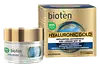
This anti-aging day moisturizer is formulated around Sodium Hyaluronate and Carnosine to soften the look of wrinkles and hydrate skin.
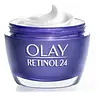
This anti-aging night moisturizer is formulated around Retinyl Propionate and Retinol to soften the look of wrinkles and refine skin texture.


What's inside
What's inside
 Key Ingredients
Benefits
Concerns
Ingredients Side-by-side
Water
Skin ConditioningEthylhexyl Salicylate
UV Absorber

Isopropyl Myristate
Emollient





Glycerin
Humectant


Caprylic/Capric Triglyceride
Masking
Octocrylene
UV Absorber
Dicaprylyl Carbonate
EmollientAlcohol Denat.
Antimicrobial

Arachidyl Alcohol
Emollient
Butyl Methoxydibenzoylmethane
UV Absorber
Cetearyl Alcohol
Emollient
Crocus Sativus Flower Extract
MaskingHydrolyzed Pea Protein
EmollientSodium Hyaluronate
Humectant


Allantoin
Skin Conditioning
Arachidyl Glucoside
EmulsifyingAscorbic Acid
Antioxidant




Ascorbyl Palmitate
Antioxidant
Behenyl Alcohol
Emollient
Capryloyl Glycine
CleansingCaramel
Cosmetic ColorantCarnosine
Skin Conditioning
Cera Alba
Emollient
Cera Microcristallina
Emulsion StabilisingCetyl Hydroxyethylcellulose
Emulsion StabilisingCitric Acid
Buffering
Diethylhexyl Syringylidenemalonate
Skin Protecting
Ethylhexyl Palmitate
Emollient
Ethylhexyl Triazone
UV Absorber
Glucomannan
Skin ConditioningGlucose
Humectant
Glyceryl Laurate
Emollient
Glyceryl Stearate
Emollient
Glycine
Buffering
Hdi/Trimethylol Hexyllactone Crosspolymer
Hydrolyzed Rice Protein
Skin ConditioningHydrolyzed Sodium Hyaluronate
Skin Conditioning
Hydrolyzed Yeast Extract
Skin ConditioningLecithin
Emollient
Parfum
Masking

PEG-100 Stearate
Surfactant
PEG-8
HumectantPolyglucuronic Acid
Skin ConditioningPolymethylsilsesquioxane

Proline
Skin Conditioning
Sodium Acrylates Copolymer
Sodium Hydroxide
BufferingStearyl Stearate
Emollient
Tetrasodium EDTA
ChelatingTocopherol
Antioxidant
Trihydroxystearin
Skin Conditioning
Phenoxyethanol
Preservative
Potassium Sorbate
Preservative
Sodium Benzoate
Masking
Benzyl Alcohol
Perfuming
Benzyl Salicylate
Perfuming
Coumarin
Perfuming
Limonene
Perfuming
Linalool
Perfuming
Water, Ethylhexyl Salicylate, Isopropyl Myristate, Glycerin, Caprylic/Capric Triglyceride, Octocrylene, Dicaprylyl Carbonate, Alcohol Denat., Arachidyl Alcohol, Butyl Methoxydibenzoylmethane, Cetearyl Alcohol, Crocus Sativus Flower Extract, Hydrolyzed Pea Protein, Sodium Hyaluronate, Allantoin, Arachidyl Glucoside, Ascorbic Acid, Ascorbyl Palmitate, Behenyl Alcohol, Capryloyl Glycine, Caramel, Carnosine, Cera Alba, Cera Microcristallina, Cetyl Hydroxyethylcellulose, Citric Acid, Diethylhexyl Syringylidenemalonate, Ethylhexyl Palmitate, Ethylhexyl Triazone, Glucomannan, Glucose, Glyceryl Laurate, Glyceryl Stearate, Glycine, Hdi/Trimethylol Hexyllactone Crosspolymer, Hydrolyzed Rice Protein, Hydrolyzed Sodium Hyaluronate, Hydrolyzed Yeast Extract, Lecithin, Parfum, PEG-100 Stearate, PEG-8, Polyglucuronic Acid, Polymethylsilsesquioxane, Proline, Sodium Acrylates Copolymer, Sodium Hydroxide, Stearyl Stearate, Tetrasodium EDTA, Tocopherol, Trihydroxystearin, Phenoxyethanol, Potassium Sorbate, Sodium Benzoate, Benzyl Alcohol, Benzyl Salicylate, Coumarin, Limonene, Linalool
Water
Skin ConditioningDimethicone
Emollient
Glycerin
Humectant
Tapioca Starch
Dimethicone Crosspolymer
Emulsion Stabilising
Retinyl Propionate
Skin Conditioning
Caprylic/Capric Triglyceride
Masking
Retinol
Skin Conditioning


Palmitoyl Pentapeptide-4
Skin Conditioning
BHT
Antioxidant
Butylene Glycol
Humectant
Dimethiconol
Emollient
Niacinamide
Smoothing
Polysorbate 20
Emulsifying
Laureth-4
Emulsifying
Laureth-7
EmulsifyingDisodium EDTA
ChelatingPolyacrylamide
Acrylates/C10-30 Alkyl Acrylate Crosspolymer
Emulsion StabilisingAminomethyl Propanol
BufferingPEG-100 Stearate
Surfactant
Ammonium Polyacrylate
StabilisingPolymethylsilsesquioxane
Titanium Dioxide
Cosmetic Colorant
C13-14 Alkane
SolventDMDM Hydantoin
Preservative
Iodopropynyl Butylcarbamate
Preservative
Benzyl Alcohol
Perfuming
Methylparaben
Preservative
Water, Dimethicone, Glycerin, Tapioca Starch, Dimethicone Crosspolymer, Retinyl Propionate, Caprylic/Capric Triglyceride, Retinol, Palmitoyl Pentapeptide-4, BHT, Butylene Glycol, Dimethiconol, Niacinamide, Polysorbate 20, Laureth-4, Laureth-7, Disodium EDTA, Polyacrylamide, Acrylates/C10-30 Alkyl Acrylate Crosspolymer, Aminomethyl Propanol, PEG-100 Stearate, Ammonium Polyacrylate, Polymethylsilsesquioxane, Titanium Dioxide, C13-14 Alkane, DMDM Hydantoin, Iodopropynyl Butylcarbamate, Benzyl Alcohol, Methylparaben
Ingredients Explained
These ingredients are found in both products.
Ingredients higher up in an ingredient list are typically present in a larger amount.
Benzyl Alcohol is an aromatic alcohol with several roles: it's a preservative, solvent, and mild fragrance component with a floral scent.
This ingredient has been deemed safe for use in cosmetic formulations at concentrations up to 5%, and up to 10% in hair dyes. You'll typically see 0.5-2% in most rinse-off or leave-on products.
As a preservative, it works by disrupting the membrane of microbial proteins. This helps keep bacteria and fungi from growing in your products.
The sensitization picture is actually quite assuring as well:of nearly 71,000 patients patch tested with benzyl alcohol, only 0.21% showed a positive reaction with most of them being weakly positive.
This led researchers to conclude that benzyl alcohol cannot be regarded as a significant contact allergen.
It is worth noting this ingredient is classified as one of the EU's regulated fragrance allergens and restricted to 1% in finished products.
Labels must also declare it in concentrations above 0.001% in leave-on products and 0.01% in rinse-off products.
At concentrations around 5%, localized redness and itching can appear as a direct irritant response and not as a true allergic reaction.
Learn more about Benzyl AlcoholCaprylic/Capric Triglyceride (aka MCT Oil) is a lightweight emollient, solvent, and texture enhancer. It is considered a skin-softener by helping to prevent moisture loss.
Though it behaves like an oil, it is not technically one due to its chemical composition. One perk of this ingredient is that it is very stable, resistant to oxidation, and unlikely to go rancid.
In practice, that translates to a long shelf life and a consistently elegant skin feel.
While there is an assumption Caprylic Triglyceride can clog pores due to it being derived from coconut oil, there is no research supporting this. Just patch test if you have concerns.
Fractionated coconut oil and MCT Oil are both listed as Caprylic/Capric Triglyceride according to INCI. This is because INCI names are based on the ingredient’s final chemical composition and not its marketing name or source.
This ingredient is treated as the gold standard fungal acne safe oil. Even though it is coconut derived, the problematic lauric acid is stripped out.
This leaves just caprylic (C8) and capric (C10) acid. These chain lengths actually trend antifungal; a 2020 study found caprylic acid was enough to disrupt Malassezia furfur cell membrane, with a caprylic acid derivative damaging membrane structures at concentrations as low as 0.2%.
Learn more about Caprylic/Capric TriglycerideGlycerin (or glycerol) is a compound naturally found in your skin. It's a powerhouse humectant that pulls water into the stratum corneum.
Topically, glycerin does several things at once:
Your skin makes glycerin on its own (mostly from sebaceous oil breakdown) and shuttles it to your outermost layer of skin, or your epidermis, via aquaporin-3.
Aquaporin-3 is a transporter that is essential for normal skin hydration, elasticity, and repair. Interestingly, mice lacking in AQP3 have dry and less elastic skin that can be fully corrected with glycerin.
This ingredient is non-irritating, plays well with almost every ingredient, and works across all skin types. Typical use is anywhere between 3-10% but can go up to 79% in some leave-on products.
Just know very high concentrations (>40%) can feel tacky in low humidity.
Glycerin is the name for this ingredient in American English. British English uses Glycerol/Glycerine.
Learn more about GlycerinPeg-100 Stearate is an emollient and emulsifier. As an emollient, it helps keep skin soft by trapping moisture in. On the other hand, emulsifiers help prevent oil and water from separating in a product.
PEGS are a hydrophilic polyether compound . There are 100 ethylene oxide monomers in Peg-100 Stearate. Peg-100 Stearate is polyethylene glycol ester of stearic acid.
Polymethylsilsesquioxane is a silicone used as a film forming agent.
When applied to the skin, this ingredient creates an invisible film on the surface. This film still allows oxygen to pass through, but prevents moisture from escaping. This can help condition and hydrate the skin. It also leaves a silky feel when applied.
Polymethylsilsesquioxane has not been shown to clog pores. It has been deemed safe to use up to 55%, but most cosmetics use much less.
If you have concerns about using this ingredient, we recommend speaking with a professional.
Learn more about PolymethylsilsesquioxaneWater. It's the most common cosmetic ingredient of all. You'll usually see it at the top of ingredient lists, meaning that it makes up the largest part of the product.
So why is it so popular? Water most often acts as a solvent - this means that it helps dissolve other ingredients into the formulation.
You'll also recognize water as that liquid we all need to stay alive. If you see this, drink a glass of water. Remember to stay hydrated!
Learn more about Water

