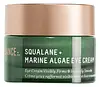
This anti-aging eye moisturizer is formulated around Squalane and Palmitoyl Tripeptide-5 to soften the look of wrinkles and hydrate skin.
This anti-aging eye moisturizer is formulated around Centella Asiatica Extract and Caffeine to soften the look of wrinkles.

What's inside
What's inside
 Key Ingredients
Benefits
Concerns
Ingredients Side-by-side
Water
Skin ConditioningCaprylic/Capric Triglyceride
Masking


Squalane
Emollient
Glycerin
Humectant
Sorbitan Olivate
Emulsifying

Cetearyl Olivate
Jojoba Esters
Emollient
Glyceryl Stearate Se
Emulsifying


Panthenol
Skin Conditioning

Hydroxyethyl Acrylate/Sodium Acryloyldimethyl Taurate Copolymer
Emulsion StabilisingCetyl Palmitate
Emollient
Spilanthes Acmella Flower Extract
Skin ConditioningPalmitoyl Tripeptide-5
Skin Conditioning

Sorbitan Palmitate
Emulsifying
Dunaliella Salina Extract
Skin ConditioningAstaxanthin
Skin Conditioning
Sodium Hyaluronate
Humectant
Phenoxyethanol
Preservative
Ethylhexylglycerin
Skin ConditioningTocopherol
Antioxidant


Citric Acid
Buffering
Water, Caprylic/Capric Triglyceride, Squalane, Glycerin, Sorbitan Olivate, Cetearyl Olivate, Jojoba Esters, Glyceryl Stearate Se, Panthenol, Hydroxyethyl Acrylate/Sodium Acryloyldimethyl Taurate Copolymer, Cetyl Palmitate, Spilanthes Acmella Flower Extract, Palmitoyl Tripeptide-5, Sorbitan Palmitate, Dunaliella Salina Extract, Astaxanthin, Sodium Hyaluronate, Phenoxyethanol, Ethylhexylglycerin, Tocopherol, Citric Acid
Hordeum Vulgare Leaf Juice
EmollientWater
Skin ConditioningCarthamus Tinctorius Oleosomes
Emollient
Glycerin
Humectant
Caprylic/Capric Triglyceride
Masking
Lavandula Angustifolia Flower/Leaf/Stem Water
HumectantPropanediol
Solvent
Heptyl Undecylenate
EmollientMangifera Indica Seed Butter
Skin Conditioning
Cetearyl Alcohol
Emollient
Lactobacillus Ferment
Skin Conditioning
Leuconostoc Ferment Filtrate
AntimicrobialCetearyl Olivate
Glyceryl Behenate
Emollient
Centella Asiatica Extract
Cleansing
Phoenix Dactylifera Seed Extract
MoisturisingMenyanthes Trifoliata Leaf Extract
Skin ConditioningLavandula Stoechas Extract
MaskingNarcissus Tazetta Bulb Extract
Astringent

Sodium Hyaluronate
Humectant
Saccharide Isomerate
Humectant
Caffeine
Skin Conditioning
Algae Extract
Emollient
Anthemis Nobilis Flower Oil
Masking


Arnica Montana Extract
Skin ConditioningBorago Officinalis Leaf Extract
Skin ConditioningCalendula Officinalis Flower Extract
Masking
Camellia Sinensis Leaf Extract
Antimicrobial

Helichrysum Italicum Flower Oil
Masking
Jania Rubens Extract
Skin Conditioning
Medicago Sativa Extract
TonicMichelia Alba Leaf Oil
Masking
Piper Cubeba Fruit Extract
Perfuming
Punica Granatum Extract
AstringentRosa Damascena Flower Oil
Masking
Rosmarinus Officinalis Leaf Extract
AntimicrobialSalicornia Herbacea Extract
Skin ConditioningSalix Alba Bark Extract
Astringent
Sambucus Nigra Fruit Extract
AstringentSpiraea Ulmaria Extract
AstringentSucrose
Humectant
Voandzeia Subterranea Seed Extract
Skin ConditioningOlea Europaea Fruit Oil
Masking
Helianthus Annuus Seed Oil
Emollient
Hydrolyzed Algin
Sea Water
HumectantCetearyl Glucoside
Emulsifying
Lactobacillus Ferment Lysate
Skin Conditioning
Sorbitan Olivate
Emulsifying
Sclerotium Gum
Emulsion StabilisingMaltodextrin
Absorbent
Citric Acid
Buffering
Phenethyl Alcohol
MaskingSodium Citrate
BufferingSodium Phytate
ChelatingAlcohol
Antimicrobial

Linalool
Perfuming
Citronellol
Perfuming
Geraniol
Perfuming
Limonene
Perfuming
Hordeum Vulgare Leaf Juice, Water, Carthamus Tinctorius Oleosomes, Glycerin, Caprylic/Capric Triglyceride, Lavandula Angustifolia Flower/Leaf/Stem Water, Propanediol, Heptyl Undecylenate, Mangifera Indica Seed Butter, Cetearyl Alcohol, Lactobacillus Ferment, Leuconostoc Ferment Filtrate, Cetearyl Olivate, Glyceryl Behenate, Centella Asiatica Extract, Phoenix Dactylifera Seed Extract, Menyanthes Trifoliata Leaf Extract, Lavandula Stoechas Extract, Narcissus Tazetta Bulb Extract, Sodium Hyaluronate, Saccharide Isomerate, Caffeine, Algae Extract, Anthemis Nobilis Flower Oil, Arnica Montana Extract, Borago Officinalis Leaf Extract, Calendula Officinalis Flower Extract, Camellia Sinensis Leaf Extract, Helichrysum Italicum Flower Oil, Jania Rubens Extract, Medicago Sativa Extract, Michelia Alba Leaf Oil, Piper Cubeba Fruit Extract, Punica Granatum Extract, Rosa Damascena Flower Oil, Rosmarinus Officinalis Leaf Extract, Salicornia Herbacea Extract, Salix Alba Bark Extract, Sambucus Nigra Fruit Extract, Spiraea Ulmaria Extract, Sucrose, Voandzeia Subterranea Seed Extract, Olea Europaea Fruit Oil, Helianthus Annuus Seed Oil, Hydrolyzed Algin, Sea Water, Cetearyl Glucoside, Lactobacillus Ferment Lysate, Sorbitan Olivate, Sclerotium Gum, Maltodextrin, Citric Acid, Phenethyl Alcohol, Sodium Citrate, Sodium Phytate, Alcohol, Linalool, Citronellol, Geraniol, Limonene
Reviews
Ingredients Explained
These ingredients are found in both products.
Ingredients higher up in an ingredient list are typically present in a larger amount.
Caprylic/Capric Triglyceride (aka MCT Oil) is a lightweight emollient, solvent, and texture enhancer. It is considered a skin-softener by helping to prevent moisture loss.
Though it behaves like an oil, it is not technically one due to its chemical composition. One perk of this ingredient is that it is very stable, resistant to oxidation, and unlikely to go rancid.
In practice, that translates to a long shelf life and a consistently elegant skin feel.
While there is an assumption Caprylic Triglyceride can clog pores due to it being derived from coconut oil, there is no research supporting this. Just patch test if you have concerns.
Fractionated coconut oil and MCT Oil are both listed as Caprylic/Capric Triglyceride according to INCI. This is because INCI names are based on the ingredient’s final chemical composition and not its marketing name or source.
This ingredient is treated as the gold standard fungal acne safe oil. Even though it is coconut derived, the problematic lauric acid is stripped out.
This leaves just caprylic (C8) and capric (C10) acid. These chain lengths actually trend antifungal; a 2020 study found caprylic acid was enough to disrupt Malassezia furfur cell membrane, with a caprylic acid derivative damaging membrane structures at concentrations as low as 0.2%.
Learn more about Caprylic/Capric TriglycerideCetearyl Olivate is a plant-derived emulsifier and texture enhancer. It helps keep the oil and water phases from separating so your formulas stay stable.
You'll likely see it combined with Sorbitan Olivate (together sold as the trade name Olivem 1000). This combination generates a liquid crystal structure that closely resemble the lipid organization of the stratum corneum.
These "skin-like" liquid crystals improve skin barrier integrity and promote the delivery of actives into the skin.
This ingredient is well-tolerated and has no significant sensitization data.
Because it is derived from the fatty acids in olive oil, this ingredient may not be fungal acne safe.
Learn more about Cetearyl OlivateCitric Acid is an alpha hydroxy acid (AHA) naturally found in citrus fruits like oranges, lemons, and limes.
Like other AHAs, citric acid can exfoliate skin by breaking down the bonds that hold dead skin cells together. This helps reveal smoother and brighter skin underneath.
However, this exfoliating effect only happens at high concentrations (20%) which can be hard to find in cosmetic products.
Due to this, citric acid is usually included in small amounts as a pH adjuster. This helps keep products slightly more acidic and compatible with skin's natural pH.
In skincare formulas, citric acid can:
While it can provide some skin benefits, research shows lactic acid and glycolic acid are generally more effective and less irritating exfoliants.
Most citric acid used in skincare today is made by fermenting sugars (usually from molasses). This synthetic version is identical to the natural citrus form but easier to stabilize and use in formulations.
Rosacea skin has a lower threshold for acids generally, with 62.5% of rosacea subjects in one study reacting to lactic acid in a sting test. This is why we mark citric acid as a potential rosacea trigger.
However, this ingredient shows up as a pH adjuster or chelator at roughly 0.1-1% in many products. These low levels are unlikely to be an issue for rosacea skin and becomes a potential trigger at exfoliating concentrations (20%). Because everybody's skin is unique, we recommend a patch test if you are unsure.
Learn more about Citric AcidGlycerin (or glycerol) is a compound naturally found in your skin. It's a powerhouse humectant that pulls water into the stratum corneum.
Topically, glycerin does several things at once:
Your skin makes glycerin on its own (mostly from sebaceous oil breakdown) and shuttles it to your outermost layer of skin, or your epidermis, via aquaporin-3.
Aquaporin-3 is a transporter that is essential for normal skin hydration, elasticity, and repair. Interestingly, mice lacking in AQP3 have dry and less elastic skin that can be fully corrected with glycerin.
This ingredient is non-irritating, plays well with almost every ingredient, and works across all skin types. Typical use is anywhere between 3-10% but can go up to 79% in some leave-on products.
Just know very high concentrations (>40%) can feel tacky in low humidity.
Glycerin is the name for this ingredient in American English. British English uses Glycerol/Glycerine.
Learn more about GlycerinSodium Hyaluronate is the salt form of hyaluronic acid. It is a long sugar chain that is naturally found in your skin, joints, and connective tissue that maintains hydration and elasticity.
In skincare, it works as a humectant. It pulls water from the environment and deeper layers of skin and binds it to the surface.
Interestingly, the size of the molecule affects its behavior:
Some clinical evidence links low molecular weight versions to improved wrinkle depth, elasticity, anti-inflammatory effects, and barrier repair.
Many serums use a blend of both weights so you can get surface hydration plus longer-lasting and deeper effects.
You'll typically see concentrations between 0.1-2% for this ingredient.
Learn more about Sodium HyaluronateSorbitan Olivate is created from the fatty acids in olive oil and sorbitol.
This ingredient is an oil in water emulsifier. It helps stabilize a product by preventing oils and waters from separating. Sorbitan Olivate also helps hydrate the skin.
This ingredient is also known as part of Olivem 1000, with Cetearyl Olivate being the other part.
According to a manufacturer, this ingredient helps preserve the natural microbiome of skin. Having a healthy microbiome helps keep our skin healthy and protects against harmful bacteria.
Please note, having a healthy microbiome is different from fungal acne; a healthy microbiome includes small amounts of yeast that normally live on your skin without causing problems.
Fungal acne happens when one type of yeast (Malassezia) grows out of control. This is usually because it's feeding on certain oils or fatty acids. Due to the olive oil base, this ingredient may not be fungal acne safe.
Learn more about Sorbitan OlivateWater. It's the most common cosmetic ingredient of all. You'll usually see it at the top of ingredient lists, meaning that it makes up the largest part of the product.
So why is it so popular? Water most often acts as a solvent - this means that it helps dissolve other ingredients into the formulation.
You'll also recognize water as that liquid we all need to stay alive. If you see this, drink a glass of water. Remember to stay hydrated!
Learn more about Water

