
What's inside
What's inside
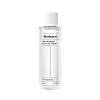 Key Ingredients
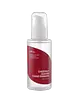
Benefits
Concerns
Ingredients Side-by-side
Water
Skin ConditioningGluconolactone 8%
Skin Conditioning





2,3-Butanediol
HumectantButylene Glycol
Humectant
Tromethamine
BufferingGlycerin
Humectant
Streptococcus Thermophilus Ferment
HumectantChlorella Vulgaris Extract
Skin Conditioning
Sodium Hyaluronate
Humectant
Hydrolyzed Hyaluronic Acid
Humectant
Pyrus Malus Juice
Skin ConditioningOzothamnus Diosmifolius Extract
Althaea Rosea Flower Extract
Skin ConditioningHydrolyzed Vegetable Protein
Skin ConditioningLactobacillus Ferment
Skin Conditioning
Panthenol
Skin Conditioning

Glucose
Humectant
Fructooligosaccharides
Humectant
Fructose
Humectant
Sodium PCA
Humectant
Sodium Phytate
1,2-Hexanediol
Skin Conditioning
Ethylhexylglycerin
Skin ConditioningCapryloyl Salicylic Acid
Exfoliating



Dipalmitoyl Hydroxyproline
Skin Conditioning
Maltodextrin
Absorbent
Hydrogenated Lecithin
Emulsifying
Stearic Acid
Cleansing
Linolenic Acid
Cleansing
Sucrose
Humectant
Ceramide NP
Skin Conditioning
Cholesterol
Emollient
Phytosphingosine
Skin Conditioning
Ceramide Ng
Skin Conditioning
Ceramide Ns
Skin Conditioning
Ceramide AP
Skin Conditioning
Ceramide As
Skin Conditioning
Ceramide EOP
Skin Conditioning
Cetearyl Alcohol
Emollient

Disodium EDTA
Water, Gluconolactone 8%, 2,3-Butanediol, Butylene Glycol, Tromethamine, Glycerin, Streptococcus Thermophilus Ferment, Chlorella Vulgaris Extract, Sodium Hyaluronate, Hydrolyzed Hyaluronic Acid, Pyrus Malus Juice, Ozothamnus Diosmifolius Extract, Althaea Rosea Flower Extract, Hydrolyzed Vegetable Protein, Lactobacillus Ferment, Panthenol, Glucose, Fructooligosaccharides, Fructose, Sodium PCA, Sodium Phytate, 1,2-Hexanediol, Ethylhexylglycerin, Capryloyl Salicylic Acid, Dipalmitoyl Hydroxyproline, Maltodextrin, Hydrogenated Lecithin, Stearic Acid, Linolenic Acid, Sucrose, Ceramide NP, Cholesterol, Phytosphingosine, Ceramide Ng, Ceramide Ns, Ceramide AP, Ceramide As, Ceramide EOP, Cetearyl Alcohol, Disodium EDTA
Water
Skin ConditioningGlycolic Acid
Buffering

Lactic Acid
Buffering
Butylene Glycol
Humectant
Glycerin
Humectant
Potassium Hydroxide
Buffering1,2-Hexanediol
Skin Conditioning
Castanea Crenata Shell Extract
Skin ConditioningPanthenol
Skin Conditioning
Sodium Hyaluronate
Humectant
Centella Asiatica Extract
Cleansing
Asiaticoside
Antioxidant
Asiatic Acid
Skin ConditioningMadecassic Acid
Skin Conditioning
Madecassoside
Antioxidant
Portulaca Oleracea Extract
Skin Conditioning
Allantoin
Skin Conditioning
Paeonia Suffruticosa Root Extract
Skin ProtectingCaprylic/Capric Triglyceride
Masking
Hydrogenated Phosphatidylcholine
EmulsifyingSucrose Stearate
EmollientCetearyl Alcohol
Emollient
Glyceryl Caprylate
EmollientHydroxyethylcellulose
Emulsion StabilisingEthylhexylglycerin
Skin ConditioningWater, Glycolic Acid, Lactic Acid, Butylene Glycol, Glycerin, Potassium Hydroxide, 1,2-Hexanediol, Castanea Crenata Shell Extract, Panthenol, Sodium Hyaluronate, Centella Asiatica Extract, Asiaticoside, Asiatic Acid, Madecassic Acid, Madecassoside, Portulaca Oleracea Extract, Allantoin, Paeonia Suffruticosa Root Extract, Caprylic/Capric Triglyceride, Hydrogenated Phosphatidylcholine, Sucrose Stearate, Cetearyl Alcohol, Glyceryl Caprylate, Hydroxyethylcellulose, Ethylhexylglycerin
Reviews
Ingredients Explained
These ingredients are found in both products.
Ingredients higher up in an ingredient list are typically present in a larger amount.
1,2-Hexanediol is a synthetic liquid and another multi-functional powerhouse.
It is a:
- Humectant, drawing moisture into the skin
- Emollient, helping to soften skin
- Solvent, dispersing and stabilizing formulas
- Preservative booster, enhancing the antimicrobial activity of other preservatives
Butylene Glycol (or BG) is used within cosmetic products for a few different reasons:
Overall, Butylene Glycol is a safe and well-rounded ingredient that works well with other ingredients.
Though this ingredient works well with most skin types, some people with sensitive skin may experience a reaction such as allergic rashes, closed comedones, or itchiness.
Learn more about Butylene GlycolCetearyl alcohol is a mixture of two fatty alcohols: cetyl alcohol and stearyl alcohol. It is mainly used as an emulsifier. Emulsifiers help prevent the separation of oils and products. Due to its composition, it can also be used to thicken a product or help create foam.
Cetearyl alcohol is an emollient. Emollients help soothe and hydrate the skin by trapping moisture.
Studies show Cetearyl alcohol is non-toxic and non-irritating. The FDA allows products labeled "alcohol-free" to have fatty alcohols.
This ingredient is usually derived from plant oils such as palm, vegetable, or coconut oils. There is debate on whether this ingredient will cause acne.
Due to the fatty acid base, this ingredient may not be Malassezia folliculitis safe.
Learn more about Cetearyl AlcoholEthylhexylglycerin (we can't pronounce this either) is commonly used as a preservative and skin softener. It is derived from glyceryl.
You might see Ethylhexylglycerin often paired with other preservatives such as phenoxyethanol. Ethylhexylglycerin has been found to increase the effectiveness of these other preservatives.
Glycerin is already naturally found in your skin. It helps moisturize and protect your skin.
A study from 2016 found glycerin to be more effective as a humectant than AHAs and hyaluronic acid.
As a humectant, it helps the skin stay hydrated by pulling moisture to your skin. The low molecular weight of glycerin allows it to pull moisture into the deeper layers of your skin.
Hydrated skin improves your skin barrier; Your skin barrier helps protect against irritants and bacteria.
Glycerin has also been found to have antimicrobial and antiviral properties. Due to these properties, glycerin is often used in wound and burn treatments.
In cosmetics, glycerin is usually derived from plants such as soybean or palm. However, it can also be sourced from animals, such as tallow or animal fat.
This ingredient is organic, colorless, odorless, and non-toxic.
Glycerin is the name for this ingredient in American English. British English uses Glycerol/Glycerine.
Learn more about GlycerinPanthenol is a common ingredient that helps hydrate and soothe the skin. It is found naturally in our skin and hair.
There are two forms of panthenol: D and L.
D-panthenol is also known as dexpanthenol. Most cosmetics use dexpanthenol or a mixture of D and L-panthenol.
Panthenol is famous due to its ability to go deeper into the skin's layers. Using this ingredient has numerous pros (and no cons):
Like hyaluronic acid, panthenol is a humectant. Humectants are able to bind and hold large amounts of water to keep skin hydrated.
This ingredient works well for wound healing. It works by increasing tissue in the wound and helps close open wounds.
Once oxidized, panthenol converts to pantothenic acid. Panthothenic acid is found in all living cells.
This ingredient is also referred to as pro-vitamin B5.
Learn more about PanthenolSodium Hyaluronate is hyaluronic acid's salt form. It is commonly derived from the sodium salt of hyaluronic acid.
Like hyaluronic acid, it is great at holding water and acts as a humectant. This makes it a great skin hydrating ingredient.
Sodium Hyaluronate is naturally occurring in our bodies and is mostly found in eye fluid and joints.
These are some other common types of Hyaluronic Acid:
Learn more about Sodium HyaluronateWater. It's the most common cosmetic ingredient of all. You'll usually see it at the top of ingredient lists, meaning that it makes up the largest part of the product.
So why is it so popular? Water most often acts as a solvent - this means that it helps dissolve other ingredients into the formulation.
You'll also recognize water as that liquid we all need to stay alive. If you see this, drink a glass of water. Stay hydrated!
Learn more about Water
