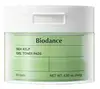
This hydrating toner pad uses a pre-saturated pad with Macrocystis Pyrifera Extract and Houttuynia Cordata Extract to hydrate skin and calm redness.
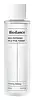
This smoothing toner is formulated around Gluconolactone and Capryloyl Salicylic Acid to refine skin texture and refine the look of pores.

What's inside
What's inside
 Key Ingredients
No key ingredients
Benefits
Concerns
Ingredients Side-by-side
Water
Skin ConditioningButylene Glycol
Humectant

1,2-Hexanediol
Skin Conditioning
Lactobacillus
Skin ConditioningSea Water
HumectantPolyglyceryl-10 Laurate
Skin Conditioning

Arginine
Masking
Allantoin
Skin Conditioning

Carbomer
Emulsion StabilisingEthylhexylglycerin
Skin ConditioningXanthan Gum
EmulsifyingSodium Polyacrylate
Absorbent
Ficus Indica Leaf Extract
Skin ConditioningMethyl Diisopropyl Propionamide
MaskingHouttuynia Cordata Extract
Skin Conditioning
Spirulina Maxima Extract
SmoothingUlmus Davidiana Root Extract
Skin Conditioning
Maltodextrin
Absorbent
Hydrolyzed Roe Extract
HumectantJania Rubens Extract
Skin Conditioning

Sea Silt Extract
Skin ConditioningMacrocystis Pyrifera Extract
Skin Conditioning
Water, Butylene Glycol, 1,2-Hexanediol, Lactobacillus, Sea Water, Polyglyceryl-10 Laurate, Arginine, Allantoin, Carbomer, Ethylhexylglycerin, Xanthan Gum, Sodium Polyacrylate, Ficus Indica Leaf Extract, Methyl Diisopropyl Propionamide, Houttuynia Cordata Extract, Spirulina Maxima Extract, Ulmus Davidiana Root Extract, Maltodextrin, Hydrolyzed Roe Extract, Jania Rubens Extract, Sea Silt Extract, Macrocystis Pyrifera Extract
Water
Skin ConditioningGluconolactone 8%
Chelating






2,3-Butanediol
HumectantButylene Glycol
Humectant
Tromethamine
BufferingGlycerin
Humectant
Streptococcus Thermophilus Ferment
Humectant
Chlorella Vulgaris Extract
Skin ConditioningSodium Hyaluronate
Humectant
Hydrolyzed Hyaluronic Acid
Humectant
Pyrus Malus Juice
Skin ConditioningOzothamnus Diosmifolius Extract
Althaea Rosea Flower Extract
Skin ConditioningHydrolyzed Vegetable Protein
Skin ConditioningLactobacillus Ferment
Skin Conditioning
Panthenol
Skin Conditioning
Glucose
Humectant
Fructooligosaccharides
Humectant
Fructose
Humectant
Sodium PCA
Humectant
Sodium Phytate
Chelating1,2-Hexanediol
Skin Conditioning
Ethylhexylglycerin
Skin ConditioningCapryloyl Salicylic Acid
Exfoliating

Dipalmitoyl Hydroxyproline
Skin Conditioning
Maltodextrin
Absorbent
Hydrogenated Lecithin
Emulsifying
Stearic Acid
Cleansing
Linolenic Acid
Cleansing

Sucrose
Humectant
Ceramide NP
Skin Conditioning
Cholesterol
Emollient
Phytosphingosine
Skin Conditioning
Ceramide Ng
Skin Conditioning
Ceramide Ns
Skin Conditioning
Ceramide AP
Skin Conditioning
Ceramide As
Skin Conditioning
Ceramide EOP
Skin Conditioning
Cetearyl Alcohol
Emollient

Disodium EDTA
ChelatingWater, Gluconolactone 8%, 2,3-Butanediol, Butylene Glycol, Tromethamine, Glycerin, Streptococcus Thermophilus Ferment, Chlorella Vulgaris Extract, Sodium Hyaluronate, Hydrolyzed Hyaluronic Acid, Pyrus Malus Juice, Ozothamnus Diosmifolius Extract, Althaea Rosea Flower Extract, Hydrolyzed Vegetable Protein, Lactobacillus Ferment, Panthenol, Glucose, Fructooligosaccharides, Fructose, Sodium PCA, Sodium Phytate, 1,2-Hexanediol, Ethylhexylglycerin, Capryloyl Salicylic Acid, Dipalmitoyl Hydroxyproline, Maltodextrin, Hydrogenated Lecithin, Stearic Acid, Linolenic Acid, Sucrose, Ceramide NP, Cholesterol, Phytosphingosine, Ceramide Ng, Ceramide Ns, Ceramide AP, Ceramide As, Ceramide EOP, Cetearyl Alcohol, Disodium EDTA
Reviews
Ingredients Explained
These ingredients are found in both products.
Ingredients higher up in an ingredient list are typically present in a larger amount.
1,2-Hexanediol is a synthetic liquid and another multi-functional powerhouse.
It is a:
- Humectant, drawing moisture into the skin
- Emollient, helping to soften skin
- Solvent, dispersing and stabilizing formulas
- Preservative booster, enhancing the antimicrobial activity of other preservatives
Butylene Glycol (or BG) is used within cosmetic products for a few different reasons:
Overall, Butylene Glycol is a safe and well-rounded ingredient that works well with other ingredients.
Though this ingredient works well with most skin types, some people with sensitive skin may experience a reaction such as allergic rashes, closed comedones, or itchiness.
Learn more about Butylene GlycolEthylhexylglycerin is created from glycerin. It is a multitasker ingredient that:
The CIR Expert Panel found minimal skin absorption or sensitization of any kind in a safety assessment. Though this ingredient is considered well-tolerated, a small number of cases of allergic dermatitis have been published since 2002. Just be sure to patch test if you are unsure.
Industry-reported use ranges from 8% in rinse-off products and 2% in leave-on formulations.
Learn more about EthylhexylglycerinMaltodextrin is a plant-derived carbohydrate made by breaking down starch (usually from corn, potato, or rice). In cosmetic formulas, it's a multitasking absorbent, emulsion stabilizer, and skin conditioner.
This ingredient is mostly used to stabilize emulsions and improve the powdery, non-greasy feel of products (like dry shampoos).
Safety-wise, this ingredient is pretty solid; it's even recognized as a food additive. Both animal and clinical studies found no adverse effects at the levels used in cosmetics.
Industry data shows this ingredient is used up to 45.7% in spray products and up to 33% in powder products.
Learn more about MaltodextrinWater. It's the most common cosmetic ingredient of all. You'll usually see it at the top of ingredient lists, meaning that it makes up the largest part of the product.
So why is it so popular? Water most often acts as a solvent - this means that it helps dissolve other ingredients into the formulation.
You'll also recognize water as that liquid we all need to stay alive. If you see this, drink a glass of water. Remember to stay hydrated!
Learn more about Water

