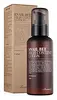
This barrier-repair moisturizer is formulated around Snail Secretion Filtrate and Niacinamide to strengthen the skin barrier and calm redness.
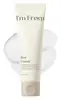
This barrier-repair moisturizer is formulated around Panthenol and Ceramide NP to strengthen the skin barrier and hydrate skin.

What's inside
What's inside
 Key Ingredients
Benefits
Concerns
Ingredients Side-by-side
Water
Skin ConditioningButylene Glycol
Humectant

Snail Secretion Filtrate
Skin Conditioning



Glycerin
Humectant
Cetyl Ethylhexanoate
EmollientNiacinamide
Smoothing







Sodium Hyaluronate
Humectant
Cetearyl Olivate


Sorbitan Olivate
Emulsifying
Simmondsia Chinensis Seed Oil
Emollient
Argania Spinosa Kernel Oil
Emollient
Helianthus Annuus Seed Oil
Emollient
Carthamus Tinctorius Seed Oil
Masking
Urea
Buffering
Glyceryl Stearate
Emollient
Palmitic Acid
Emollient


1,2-Hexanediol
Skin Conditioning
Pentylene Glycol
Skin Conditioning
Zanthoxylum Piperitum Fruit Extract
Skin ConditioningPulsatilla Koreana Extract
Skin ConditioningUsnea Barbata Extract
Sh-Oligopeptide-1
Skin Conditioning
Bee Venom
Astringent
Cetearyl Alcohol
Emollient

Xanthan Gum
EmulsifyingStearic Acid
Cleansing
Tocopheryl Acetate
Antioxidant

Althaea Rosea Root Extract
HumectantAloe Barbadensis Leaf Extract
Emollient
Panthenol
Skin Conditioning
Lauric Acid
Cleansing
Myristic Acid
Cleansing
Aloe Barbadensis Leaf Juice
Skin Conditioning
Beta-Glucan
Skin Conditioning
Plantago Asiatica Extract
Skin ConditioningDiospyros Kaki Leaf Extract
Skin Protecting
Salix Alba Bark Extract
Astringent
Ulmus Campestris Bark Extract
AstringentLaminaria Digitata Extract
Skin Protecting
Adenosine
Skin Conditioning
Polysorbate 20
Emulsifying
Lecithin
Emollient
Water, Butylene Glycol, Snail Secretion Filtrate, Glycerin, Cetyl Ethylhexanoate, Niacinamide, Sodium Hyaluronate, Cetearyl Olivate, Sorbitan Olivate, Simmondsia Chinensis Seed Oil, Argania Spinosa Kernel Oil, Helianthus Annuus Seed Oil, Carthamus Tinctorius Seed Oil, Urea, Glyceryl Stearate, Palmitic Acid, 1,2-Hexanediol, Pentylene Glycol, Zanthoxylum Piperitum Fruit Extract, Pulsatilla Koreana Extract, Usnea Barbata Extract, Sh-Oligopeptide-1, Bee Venom, Cetearyl Alcohol, Xanthan Gum, Stearic Acid, Tocopheryl Acetate, Althaea Rosea Root Extract, Aloe Barbadensis Leaf Extract, Panthenol, Lauric Acid, Myristic Acid, Aloe Barbadensis Leaf Juice, Beta-Glucan, Plantago Asiatica Extract, Diospyros Kaki Leaf Extract, Salix Alba Bark Extract, Ulmus Campestris Bark Extract, Laminaria Digitata Extract, Adenosine, Polysorbate 20, Lecithin
Oryza Sativa Bran Water
Masking
Water
Skin ConditioningGlycerin
Humectant
Butylene Glycol
Humectant
Cetyl Ethylhexanoate
EmollientPentaerythrityl Tetraethylhexanoate
Emollient
Hydrogenated Polyisobutene
EmollientSynthetic Beeswax
Emulsion Stabilising
Butyrospermum Parkii Butter
Skin Conditioning
Polyglyceryl-3 Methylglucose Distearate
Emulsifying
Vinyldimethicone

Pentylene Glycol
Skin Conditioning
1,2-Hexanediol
Skin Conditioning
Behenyl Alcohol
Emollient
Glyceryl Stearate
Emollient
Ammonium Acryloyldimethyltaurate/Vp Copolymer
Bisabolol
Antioxidant
Cetearyl Olivate
Panthenol
Skin Conditioning
Sorbitan Olivate
Emulsifying
Caprylyl Glycol
Emollient
Ethylhexylglycerin
Skin ConditioningXanthan Gum
EmulsifyingAdenosine
Skin Conditioning
Trisodium Ethylenediamine Disuccinate
ChelatingSodium Hyaluronate
Humectant
Ceramide NP
Skin Conditioning
Hydrolyzed Hyaluronic Acid
Humectant
Oryza Sativa Bran Oil
Emollient
Tocopherol
Antioxidant
Phytosphingosine
Skin Conditioning
Caprylic/Capric Triglyceride
Masking
Hydrogenated Lecithin
Emulsifying
Oryza Sativa Bran Water, Water, Glycerin, Butylene Glycol, Cetyl Ethylhexanoate, Pentaerythrityl Tetraethylhexanoate, Hydrogenated Polyisobutene, Synthetic Beeswax, Butyrospermum Parkii Butter, Polyglyceryl-3 Methylglucose Distearate, Vinyldimethicone, Pentylene Glycol, 1,2-Hexanediol, Behenyl Alcohol, Glyceryl Stearate, Ammonium Acryloyldimethyltaurate/Vp Copolymer, Bisabolol, Cetearyl Olivate, Panthenol, Sorbitan Olivate, Caprylyl Glycol, Ethylhexylglycerin, Xanthan Gum, Adenosine, Trisodium Ethylenediamine Disuccinate, Sodium Hyaluronate, Ceramide NP, Hydrolyzed Hyaluronic Acid, Oryza Sativa Bran Oil, Tocopherol, Phytosphingosine, Caprylic/Capric Triglyceride, Hydrogenated Lecithin
Reviews
Alternatives
Ingredients Explained
These ingredients are found in both products.
Ingredients higher up in an ingredient list are typically present in a larger amount.
1,2-Hexanediol is a synthetic liquid and another multi-functional powerhouse.
It is a:
- Humectant, drawing moisture into the skin
- Emollient, helping to soften skin
- Solvent, dispersing and stabilizing formulas
- Preservative booster, enhancing the antimicrobial activity of other preservatives
Adenosine is a purine nucleoside that your body already makes in every cell. In skincare, it acts mainly as a skin conditioning and anti-aging agent.
The way it works is fairly well mapped out:
Your skin has cells called fibroblasts that build collagen (the stuff that keeps skin firm and smooth). Adenosine basically flips a switch on these cells that tells them to get to work making more collagen and other proteins. These cells slow down on their own as skin ages, so Adenosine helps give them a little nudge to keep going.
The clinical backing is pretty solid too.
A blind, randomized, placebo-controlled trial of 126 women aged 45-65 tested a 0.1% cream twice daily and found real improvements in crow's feet and frown lines using a precise 3D skin-mapping technique; these changes showed up by week 3 and held at 2 months.
A later study using Adenosine-loaded dissolving microneedle patches reported gains in wrinkle depth, dermal density, elasticity, and hydration.
On concentrations, South Korea's Ministry of Food and Drug Safety has set 0.04% as the approved functional anti-wrinkle level. You'll typically see this ingredient used somewhere in the 0.04-0.1% range since it works at low doses.
This ingredient has been found safe for cosmetics with the data showing no irritation or sensitization.
Overall, this is a great ingredient for any anti-aging routine and has no photosensitizing effect, so it suits both AM and PM use.
Learn more about AdenosineButylene Glycol (or BG) is used within cosmetic products for a few different reasons:
Overall, Butylene Glycol is a safe and well-rounded ingredient that works well with other ingredients.
Though this ingredient works well with most skin types, some people with sensitive skin may experience a reaction such as allergic rashes, closed comedones, or itchiness.
Learn more about Butylene GlycolCetearyl Olivate is a plant-derived emulsifier and texture enhancer. It helps keep the oil and water phases from separating so your formulas stay stable.
You'll likely see it combined with Sorbitan Olivate (together sold as the trade name Olivem 1000). This combination generates a liquid crystal structure that closely resemble the lipid organization of the stratum corneum.
These "skin-like" liquid crystals improve skin barrier integrity and promote the delivery of actives into the skin.
This ingredient is well-tolerated and has no significant sensitization data.
Because it is derived from the fatty acids in olive oil, this ingredient may not be fungal acne safe.
Learn more about Cetearyl OlivateCetyl Ethylhexanoate is an emollient ester. It comes from cetearyl alcohol and 2-ethylhexanoic acid.
Cetyl Ethylhexanoate is an emollient that adds a velvety feel to skin without being greasy or oily. Emollients help trap moisture into your skin, keeping your skin soft and hydrated.
Glycerin (or glycerol) is a compound naturally found in your skin. It's a powerhouse humectant that pulls water into the stratum corneum.
Topically, glycerin does several things at once:
Your skin makes glycerin on its own (mostly from sebaceous oil breakdown) and shuttles it to your outermost layer of skin, or your epidermis, via aquaporin-3.
Aquaporin-3 is a transporter that is essential for normal skin hydration, elasticity, and repair. Interestingly, mice lacking in AQP3 have dry and less elastic skin that can be fully corrected with glycerin.
This ingredient is non-irritating, plays well with almost every ingredient, and works across all skin types. Typical use is anywhere between 3-10% but can go up to 79% in some leave-on products.
Just know very high concentrations (>40%) can feel tacky in low humidity.
Glycerin is the name for this ingredient in American English. British English uses Glycerol/Glycerine.
Learn more about GlycerinGlyceryl Stearate is made by reacting glycerin with stearic acid (typically sourced from plant oils like palm or coconut). It's an emulsifier, emollient, and mild occlusive.
Emulsifiers help ingredients like oil and water stay mixed so your formula stays nicely blended and uniform in texture.
This ingredient is typically used in concentrations between 1-10%. Studies have found it to be non-sensitizing, non-phototoxic, and non-photoallergenic.
A close cousin of this ingredient is Glyceryl Stearate SE ("self-emulsifying"). This just has a small amount of sodium or potassium stearate added so it can emulsify without a co-emulsifier.
Since this ingredient is an ester of a C18 fatty acid, it may not be fungal acne safe. The Malassezia yeast can potentially metabolize within the C11-C24 range.
Fun fact: The human body also creates Glyceryl Stearate naturally.
Learn more about Glyceryl StearatePanthenol is a common ingredient that helps hydrate and soothe the skin. It is found naturally in our skin and hair.
There are two forms of panthenol: D and L.
D-panthenol is also known as dexpanthenol. Most cosmetics use dexpanthenol or a mixture of D and L-panthenol.
Panthenol is famous due to its ability to go deeper into the skin's layers. Using this ingredient has numerous pros (and no cons):
Like hyaluronic acid, panthenol is a humectant. Humectants are able to bind and hold large amounts of water to keep skin hydrated.
This ingredient works well for wound healing. It works by increasing tissue in the wound and helps close open wounds.
Once oxidized, panthenol converts to pantothenic acid. Panthothenic acid is found in all living cells.
This ingredient is also referred to as pro-vitamin B5.
Learn more about PanthenolPentylene Glycol (1,2-pentanediol) is a multitasking little diol with three main roles in a formula:
Research on alkanediols (the family pentylene glycol belongs to) show they work by disrupting microbial cell membranes. This disruption helps the primary preservative system in a product work more effectively at lower doses.
On the safety side, the Cosmetic Ingredient Review Expert Panel has concluded this ingredient to be safe as used in current cosmetic practices + concentrations.
Typical use levels in a formula run about 1-5%.
Learn more about Pentylene GlycolSodium Hyaluronate is the salt form of hyaluronic acid. It is a long sugar chain that is naturally found in your skin, joints, and connective tissue that maintains hydration and elasticity.
In skincare, it works as a humectant. It pulls water from the environment and deeper layers of skin and binds it to the surface.
Interestingly, the size of the molecule affects its behavior:
Some clinical evidence links low molecular weight versions to improved wrinkle depth, elasticity, anti-inflammatory effects, and barrier repair.
Many serums use a blend of both weights so you can get surface hydration plus longer-lasting and deeper effects.
You'll typically see concentrations between 0.1-2% for this ingredient.
Learn more about Sodium HyaluronateSorbitan Olivate is created from the fatty acids in olive oil and sorbitol.
This ingredient is an oil in water emulsifier. It helps stabilize a product by preventing oils and waters from separating. Sorbitan Olivate also helps hydrate the skin.
This ingredient is also known as part of Olivem 1000, with Cetearyl Olivate being the other part.
According to a manufacturer, this ingredient helps preserve the natural microbiome of skin. Having a healthy microbiome helps keep our skin healthy and protects against harmful bacteria.
Please note, having a healthy microbiome is different from fungal acne; a healthy microbiome includes small amounts of yeast that normally live on your skin without causing problems.
Fungal acne happens when one type of yeast (Malassezia) grows out of control. This is usually because it's feeding on certain oils or fatty acids. Due to the olive oil base, this ingredient may not be fungal acne safe.
Learn more about Sorbitan OlivateWater. It's the most common cosmetic ingredient of all. You'll usually see it at the top of ingredient lists, meaning that it makes up the largest part of the product.
So why is it so popular? Water most often acts as a solvent - this means that it helps dissolve other ingredients into the formulation.
You'll also recognize water as that liquid we all need to stay alive. If you see this, drink a glass of water. Remember to stay hydrated!
Learn more about WaterXanthan gum is used as a stabilizer and thickener within cosmetic products. It helps give products a sticky, thick feeling - preventing them from being too runny.
On the technical side of things, xanthan gum is a polysaccharide - a combination consisting of multiple sugar molecules bonded together.
Xanthan gum is a pretty common and great ingredient. It is a natural, non-toxic, non-irritating ingredient that is also commonly used in food products.
Learn more about Xanthan Gum

