Beauty of Joseon Glow Deep Serum: Rice + Arbutin Versus Some By Mi Galactomyces Pure Vitamin C Glow Serum
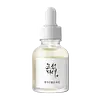
This brightening serum is formulated around Alpha-Arbutin and Niacinamide to fade the look of dark spots and brighten dull-looking skin.
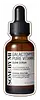
This brightening serum is formulated around Galactomyces Ferment Filtrate and Ascorbic Acid to brighten dull-looking skin and fade the look of dark spots.

What's inside
What's inside
 Key Ingredients
Benefits
Concerns
Ingredients Side-by-side
Oryza Sativa Bran Water 68.6%
Masking
Water
Skin ConditioningGlycerin
Humectant


Butylene Glycol
Humectant
1,2-Hexanediol
Skin Conditioning
Dipropylene Glycol
HumectantAlpha-Arbutin 2%
Antioxidant



Niacinamide
Smoothing







Methyl Gluceth-20
Humectant
Panthenol
Skin Conditioning
Polyglycerin-3
Humectant
Trehalose
Humectant
Glyceryl Glucoside
Humectant
Hydrolyzed Jojoba Esters
Skin Conditioning

Hydroxyethyl Acrylate/Sodium Acryloyldimethyl Taurate Copolymer
Emulsion StabilisingEthylhexylglycerin
Skin ConditioningHydroxyethylcellulose
Emulsion StabilisingXanthan Gum
EmulsifyingAcrylates/C10-30 Alkyl Acrylate Crosspolymer
Emulsion StabilisingArginine
Masking
Disodium EDTA
ChelatingCoptis Japonica Root Extract
Skin ConditioningSorbitan Isostearate
Emulsifying
Glucose
Humectant
Coix Lacryma-Jobi Ma-Yuen Seed Extract
Skin ConditioningGlycine Soja Seed Extract
Skin Conditioning
Hordeum Distichon Extract
Skin ProtectingOryza Sativa Extract
Absorbent
Sesamum Indicum Seed Extract
Skin Conditioning
Triticum Vulgare Seed Extract
BufferingVigna Radiata Seed Extract
Skin ConditioningZea Mays Kernel Extract
Oryza Sativa Bran Water 68.6%, Water, Glycerin, Butylene Glycol, 1,2-Hexanediol, Dipropylene Glycol, Alpha-Arbutin 2%, Niacinamide, Methyl Gluceth-20, Panthenol, Polyglycerin-3, Trehalose, Glyceryl Glucoside, Hydrolyzed Jojoba Esters, Hydroxyethyl Acrylate/Sodium Acryloyldimethyl Taurate Copolymer, Ethylhexylglycerin, Hydroxyethylcellulose, Xanthan Gum, Acrylates/C10-30 Alkyl Acrylate Crosspolymer, Arginine, Disodium EDTA, Coptis Japonica Root Extract, Sorbitan Isostearate, Glucose, Coix Lacryma-Jobi Ma-Yuen Seed Extract, Glycine Soja Seed Extract, Hordeum Distichon Extract, Oryza Sativa Extract, Sesamum Indicum Seed Extract, Triticum Vulgare Seed Extract, Vigna Radiata Seed Extract, Zea Mays Kernel Extract
Galactomyces Ferment Filtrate
Humectant
Dipropylene Glycol
HumectantGlycerin
Humectant
Ascorbic Acid
Antioxidant
Butylene Glycol
Humectant
1,2-Hexanediol
Skin Conditioning
Niacinamide
Smoothing
Tromethamine
BufferingWater
Skin ConditioningTrehalose
Humectant
C12-14 Pareth-12
EmulsifyingAllantoin
Skin Conditioning
Hydroxyethylcellulose
Emulsion StabilisingXanthan Gum
EmulsifyingEthylhexylglycerin
Skin ConditioningAdenosine
Skin Conditioning
Citrus Aurantium Bergamia Fruit Oil
Masking


Hydrogenated Lecithin
Emulsifying
Glyceryl Acrylate/Acrylic Acid Copolymer
HumectantSodium Hyaluronate
Humectant
Pvm/Ma Copolymer
Emulsion StabilisingPolyglyceryl-10 Stearate
Skin Conditioning
Lavandula Angustifolia Oil
Masking
Panthenol
Skin Conditioning
Sodium Ascorbyl Phosphate
Antioxidant
Phenylethyl Resorcinol
Antioxidant
Propolis Extract
Skin Conditioning
Aronia Melanocarpa Fruit Extract
Skin ConditioningBambusa Vulgaris Extract
Skin Conditioning
Aspalathus Linearis Extract
Skin ConditioningSaccharide Hydrolysate
HumectantMaltodextrin
Absorbent
Ficus Carica Fruit Extract
Humectant
Phoenix Dactylifera Fruit Extract
EmollientTuber Magnatum Extract
Skin ConditioningPyridoxine
Skin ConditioningHouttuynia Cordata Extract
Skin Conditioning
Folic Acid
Skin ConditioningBiotin
AntiseborrhoeicOpuntia Ficus-Indica Extract
Skin Conditioning
Opuntia Coccinellifera Fruit Extract
Skin ConditioningCaprylic/Capric Triglyceride
Masking
Adansonia Digitata Seed Extract
Skin ConditioningLeuconostoc/Radish Root Ferment Filtrate
Antimicrobial
Sparassis Crispa Extract
Emulsion StabilisingCalendula Officinalis Flower Extract
Masking
Brassica Oleracea Italica Extract
AstringentTocopherol
Antioxidant
Cyanocobalamin
Skin ConditioningVaccinium Myrtillus Fruit Extract
Skin ConditioningVaccinium Macrocarpon Fruit Extract
AstringentVaccinium Angustifolium Fruit Extract
Skin Protecting
Rubus Idaeus Fruit Extract
AstringentRubus Fruticosus Fruit Extract
AstringentRibes Nigrum Fruit Extract
Astringent
Euterpe Oleracea Fruit Extract
Spirulina Maxima Extract
SmoothingThiamine Hcl
MaskingLinoleic Acid
Cleansing
Inositol
Humectant
Astaxanthin
Skin Conditioning
Caramel
Cosmetic ColorantLinalool
Perfuming
Limonene
Perfuming
Galactomyces Ferment Filtrate, Dipropylene Glycol, Glycerin, Ascorbic Acid, Butylene Glycol, 1,2-Hexanediol, Niacinamide, Tromethamine, Water, Trehalose, C12-14 Pareth-12, Allantoin, Hydroxyethylcellulose, Xanthan Gum, Ethylhexylglycerin, Adenosine, Citrus Aurantium Bergamia Fruit Oil, Hydrogenated Lecithin, Glyceryl Acrylate/Acrylic Acid Copolymer, Sodium Hyaluronate, Pvm/Ma Copolymer, Polyglyceryl-10 Stearate, Lavandula Angustifolia Oil, Panthenol, Sodium Ascorbyl Phosphate, Phenylethyl Resorcinol, Propolis Extract, Aronia Melanocarpa Fruit Extract, Bambusa Vulgaris Extract, Aspalathus Linearis Extract, Saccharide Hydrolysate, Maltodextrin, Ficus Carica Fruit Extract, Phoenix Dactylifera Fruit Extract, Tuber Magnatum Extract, Pyridoxine, Houttuynia Cordata Extract, Folic Acid, Biotin, Opuntia Ficus-Indica Extract, Opuntia Coccinellifera Fruit Extract, Caprylic/Capric Triglyceride, Adansonia Digitata Seed Extract, Leuconostoc/Radish Root Ferment Filtrate, Sparassis Crispa Extract, Calendula Officinalis Flower Extract, Brassica Oleracea Italica Extract, Tocopherol, Cyanocobalamin, Vaccinium Myrtillus Fruit Extract, Vaccinium Macrocarpon Fruit Extract, Vaccinium Angustifolium Fruit Extract, Rubus Idaeus Fruit Extract, Rubus Fruticosus Fruit Extract, Ribes Nigrum Fruit Extract, Euterpe Oleracea Fruit Extract, Spirulina Maxima Extract, Thiamine Hcl, Linoleic Acid, Inositol, Astaxanthin, Caramel, Linalool, Limonene
Reviews
Ingredients Explained
These ingredients are found in both products.
Ingredients higher up in an ingredient list are typically present in a larger amount.
1,2-Hexanediol is a synthetic liquid and another multi-functional powerhouse.
It is a:
- Humectant, drawing moisture into the skin
- Emollient, helping to soften skin
- Solvent, dispersing and stabilizing formulas
- Preservative booster, enhancing the antimicrobial activity of other preservatives
Butylene Glycol (or BG) is used within cosmetic products for a few different reasons:
Overall, Butylene Glycol is a safe and well-rounded ingredient that works well with other ingredients.
Though this ingredient works well with most skin types, some people with sensitive skin may experience a reaction such as allergic rashes, closed comedones, or itchiness.
Learn more about Butylene GlycolDipropylene Glycol is a synthetically created humectant, stabilizer, and solvent.
This ingredient helps:
Dipropylene glycol is technically an alcohol, but it belongs to the glycol family (often considered part of the ‘good’ alcohols). This means it is hydrating and gentle on skin unlike drying solvent alcohols like denatured alcohol.
As a masking agent, Dipropylene Glycol can be used to cover the smell of other ingredients. However, it does not have a scent.
Studies show Dipropylene Glycol is considered safe to use in skincare.
Learn more about Dipropylene GlycolEthylhexylglycerin is created from glycerin. It is a multitasker ingredient that:
The CIR Expert Panel found minimal skin absorption or sensitization of any kind in a safety assessment. Though this ingredient is considered well-tolerated, a small number of cases of allergic dermatitis have been published since 2002. Just be sure to patch test if you are unsure.
Industry-reported use ranges from 8% in rinse-off products and 2% in leave-on formulations.
Learn more about EthylhexylglycerinGlycerin (or glycerol) is a compound naturally found in your skin. It's a powerhouse humectant that pulls water into the stratum corneum.
Topically, glycerin does several things at once:
Your skin makes glycerin on its own (mostly from sebaceous oil breakdown) and shuttles it to your outermost layer of skin, or your epidermis, via aquaporin-3.
Aquaporin-3 is a transporter that is essential for normal skin hydration, elasticity, and repair. Interestingly, mice lacking in AQP3 have dry and less elastic skin that can be fully corrected with glycerin.
This ingredient is non-irritating, plays well with almost every ingredient, and works across all skin types. Typical use is anywhere between 3-10% but can go up to 79% in some leave-on products.
Just know very high concentrations (>40%) can feel tacky in low humidity.
Glycerin is the name for this ingredient in American English. British English uses Glycerol/Glycerine.
Learn more about GlycerinHydroxyethylcellulose is used to improve the texture of products. It is created from a chemical reaction involving ethylene oxide and alkali-cellulose. Cellulose is a sugar found in plant cell walls and help give plants structure.
This ingredient helps stabilize products by preventing ingredients from separating. It can also help thicken the texture of a product.
This ingredient can also be found in pill medicines to help our bodies digest other ingredients.
Learn more about HydroxyethylcelluloseNiacinamide is a multitasking form of vitamin B3 that strengthens the skin barrier, reduces pores and dark spots, regulates oil, and improves signs of aging.
And the best part? It's gentle and well-tolerated by most skin types, including sensitive and reactive skin.
You might have heard of "niacin flush", or the reddening of skin that causes itchiness. Niacinamide has not been found to cause this.
In very rare cases, some individuals may not be able to tolerate niacinamide at all or experience an allergic reaction to it.
If you are experiencing flaking, irritation, and dryness with this ingredient, be sure to double check all your products as this ingredient can be found in all categories of skincare.
When incorporating niacinamide into your routine, look out for concentration amounts. Typically, 5% niacinamide provides benefits such as fading dark spots. However, if you have sensitive skin, it is better to begin with a smaller concentration.
When you apply niacinamide to your skin, your body converts it into nicotinamide adenine dinucleotide (NAD). NAD is an essential coenzyme that is already found in your cells as "fuel" and powers countless biological processes.
In your skin, NAD helps repair cell damage, produce new healthy cells, support collagen production, strengthen the skin barrier, and fight environmental stressors (like UV and pollution).
Our natural NAD levels start to decline with age, leading to slower skin repair, visible aging, and a weaker skin barrier. By providing your skin niacinamide, you're recharging your skin's NAD levels. This leads to stronger, healthier, and younger looking skin.
Another name for vitamin B3 is nicotinamide. This vitamin is water-soluble and our bodies don't store it. We obtain Vitamin B3 from either food or skincare. Meat, fish, wheat, yeast, and leafy greens contain vitamin B3.
The type of niacinamide used in skincare is synthetically created.
Learn more about NiacinamidePanthenol is a common ingredient that helps hydrate and soothe the skin. It is found naturally in our skin and hair.
There are two forms of panthenol: D and L.
D-panthenol is also known as dexpanthenol. Most cosmetics use dexpanthenol or a mixture of D and L-panthenol.
Panthenol is famous due to its ability to go deeper into the skin's layers. Using this ingredient has numerous pros (and no cons):
Like hyaluronic acid, panthenol is a humectant. Humectants are able to bind and hold large amounts of water to keep skin hydrated.
This ingredient works well for wound healing. It works by increasing tissue in the wound and helps close open wounds.
Once oxidized, panthenol converts to pantothenic acid. Panthothenic acid is found in all living cells.
This ingredient is also referred to as pro-vitamin B5.
Learn more about PanthenolTrehalose is a disaccharide made of two glucose molecules (glucose is sugar!). Trehalose is used to help moisturize skin. It also has antioxidant properties.
As a humectant, trehalose helps draw moisture from the air to your skin. This helps keep your skin hydrated.
Due to its antioxidant properties, trehalose may help with signs of aging. Antioxidants help fight free-radical molecules, unstable molecules that may damage your skin.
In medicine, trehalose and hyaluronic acid are used to help treat dry eyes.
Some animals, plants, and bacteria create trehalose as a source of energy to survive freeze or lack of water.
Learn more about TrehaloseWater. It's the most common cosmetic ingredient of all. You'll usually see it at the top of ingredient lists, meaning that it makes up the largest part of the product.
So why is it so popular? Water most often acts as a solvent - this means that it helps dissolve other ingredients into the formulation.
You'll also recognize water as that liquid we all need to stay alive. If you see this, drink a glass of water. Remember to stay hydrated!
Learn more about WaterXanthan gum is used as a stabilizer and thickener within cosmetic products. It helps give products a sticky, thick feeling - preventing them from being too runny.
On the technical side of things, xanthan gum is a polysaccharide - a combination consisting of multiple sugar molecules bonded together.
Xanthan gum is a pretty common and great ingredient. It is a natural, non-toxic, non-irritating ingredient that is also commonly used in food products.
Learn more about Xanthan Gum

