Some By Mi Galactomyces Pure Vitamin C Glow Serum Versus Etude House Soon Jung 2x Barrier Intensive Cream
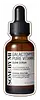
This brightening serum is formulated around Galactomyces Ferment Filtrate and Ascorbic Acid to brighten dull-looking skin and fade the look of dark spots.
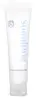
This barrier-repair moisturizer is formulated around Panthenol and Madecassoside to strengthen the skin barrier and hydrate skin.

What's inside
What's inside
 Key Ingredients
Benefits
Concerns
Ingredients Side-by-side
Galactomyces Ferment Filtrate
Humectant







Dipropylene Glycol
HumectantGlycerin
Humectant
Ascorbic Acid
Antioxidant



Butylene Glycol
Humectant
1,2-Hexanediol
Skin Conditioning
Niacinamide
Smoothing



Tromethamine
BufferingWater
Skin ConditioningTrehalose
Humectant
C12-14 Pareth-12
EmulsifyingAllantoin
Skin Conditioning
Hydroxyethylcellulose
Emulsion StabilisingXanthan Gum
EmulsifyingEthylhexylglycerin
Skin ConditioningAdenosine
Skin Conditioning
Citrus Aurantium Bergamia Fruit Oil
Masking



Hydrogenated Lecithin
Emulsifying
Glyceryl Acrylate/Acrylic Acid Copolymer
HumectantSodium Hyaluronate
Humectant
Pvm/Ma Copolymer
Emulsion StabilisingPolyglyceryl-10 Stearate
Skin Conditioning
Lavandula Angustifolia Oil
Masking
Panthenol
Skin Conditioning
Sodium Ascorbyl Phosphate
Antioxidant
Phenylethyl Resorcinol
Antioxidant
Propolis Extract
Skin Conditioning
Aronia Melanocarpa Fruit Extract
Skin ConditioningBambusa Vulgaris Extract
Skin Conditioning
Aspalathus Linearis Extract
Skin ConditioningSaccharide Hydrolysate
HumectantMaltodextrin
Absorbent
Ficus Carica Fruit Extract
Humectant
Phoenix Dactylifera Fruit Extract
EmollientTuber Magnatum Extract
Skin ConditioningPyridoxine
Skin ConditioningHouttuynia Cordata Extract
Skin Conditioning
Folic Acid
Skin ConditioningBiotin
AntiseborrhoeicOpuntia Ficus-Indica Extract
Skin Conditioning
Opuntia Coccinellifera Fruit Extract
Skin ConditioningCaprylic/Capric Triglyceride
Masking
Adansonia Digitata Seed Extract
Skin ConditioningLeuconostoc/Radish Root Ferment Filtrate
Antimicrobial
Sparassis Crispa Extract
Emulsion StabilisingCalendula Officinalis Flower Extract
Masking
Brassica Oleracea Italica Extract
AstringentTocopherol
Antioxidant
Cyanocobalamin
Skin ConditioningVaccinium Myrtillus Fruit Extract
Skin ConditioningVaccinium Macrocarpon Fruit Extract
AstringentVaccinium Angustifolium Fruit Extract
Skin Protecting
Rubus Idaeus Fruit Extract
AstringentRubus Fruticosus Fruit Extract
AstringentRibes Nigrum Fruit Extract
Astringent
Euterpe Oleracea Fruit Extract
Spirulina Maxima Extract
SmoothingThiamine Hcl
MaskingLinoleic Acid
Cleansing
Inositol
Humectant
Astaxanthin
Skin Conditioning
Caramel
Cosmetic ColorantLinalool
Perfuming
Limonene
Perfuming
Galactomyces Ferment Filtrate, Dipropylene Glycol, Glycerin, Ascorbic Acid, Butylene Glycol, 1,2-Hexanediol, Niacinamide, Tromethamine, Water, Trehalose, C12-14 Pareth-12, Allantoin, Hydroxyethylcellulose, Xanthan Gum, Ethylhexylglycerin, Adenosine, Citrus Aurantium Bergamia Fruit Oil, Hydrogenated Lecithin, Glyceryl Acrylate/Acrylic Acid Copolymer, Sodium Hyaluronate, Pvm/Ma Copolymer, Polyglyceryl-10 Stearate, Lavandula Angustifolia Oil, Panthenol, Sodium Ascorbyl Phosphate, Phenylethyl Resorcinol, Propolis Extract, Aronia Melanocarpa Fruit Extract, Bambusa Vulgaris Extract, Aspalathus Linearis Extract, Saccharide Hydrolysate, Maltodextrin, Ficus Carica Fruit Extract, Phoenix Dactylifera Fruit Extract, Tuber Magnatum Extract, Pyridoxine, Houttuynia Cordata Extract, Folic Acid, Biotin, Opuntia Ficus-Indica Extract, Opuntia Coccinellifera Fruit Extract, Caprylic/Capric Triglyceride, Adansonia Digitata Seed Extract, Leuconostoc/Radish Root Ferment Filtrate, Sparassis Crispa Extract, Calendula Officinalis Flower Extract, Brassica Oleracea Italica Extract, Tocopherol, Cyanocobalamin, Vaccinium Myrtillus Fruit Extract, Vaccinium Macrocarpon Fruit Extract, Vaccinium Angustifolium Fruit Extract, Rubus Idaeus Fruit Extract, Rubus Fruticosus Fruit Extract, Ribes Nigrum Fruit Extract, Euterpe Oleracea Fruit Extract, Spirulina Maxima Extract, Thiamine Hcl, Linoleic Acid, Inositol, Astaxanthin, Caramel, Linalool, Limonene
Water
Skin ConditioningPropanediol
Solvent
Pentaerythrityl Tetraethylhexanoate
Emollient
Caprylic/Capric Triglyceride
Masking
Helianthus Annuus Seed Oil
Emollient
Polyglyceryl-3 Methylglucose Distearate
Emulsifying
Hydrogenated Vegetable Oil
Emollient
Cetearyl Alcohol
Emollient

Panthenol
Skin Conditioning
1,2-Hexanediol
Skin Conditioning
Carbomer
Emulsion StabilisingXanthan Gum
EmulsifyingGlyceryl Caprylate
EmollientTromethamine
BufferingEthylhexylglycerin
Skin ConditioningDisodium EDTA
ChelatingMadecassoside
Antioxidant
Lecithin
Emollient
Butylene Glycol
Humectant
Tocopherol
Antioxidant
Camellia Sinensis Leaf Extract
Antimicrobial
Water, Propanediol, Pentaerythrityl Tetraethylhexanoate, Caprylic/Capric Triglyceride, Helianthus Annuus Seed Oil, Polyglyceryl-3 Methylglucose Distearate, Hydrogenated Vegetable Oil, Cetearyl Alcohol, Panthenol, 1,2-Hexanediol, Carbomer, Xanthan Gum, Glyceryl Caprylate, Tromethamine, Ethylhexylglycerin, Disodium EDTA, Madecassoside, Lecithin, Butylene Glycol, Tocopherol, Camellia Sinensis Leaf Extract
Reviews
Ingredients Explained
These ingredients are found in both products.
Ingredients higher up in an ingredient list are typically present in a larger amount.
1,2-Hexanediol is a synthetic liquid and another multi-functional powerhouse.
It is a:
- Humectant, drawing moisture into the skin
- Emollient, helping to soften skin
- Solvent, dispersing and stabilizing formulas
- Preservative booster, enhancing the antimicrobial activity of other preservatives
Butylene Glycol (or BG) is used within cosmetic products for a few different reasons:
Overall, Butylene Glycol is a safe and well-rounded ingredient that works well with other ingredients.
Though this ingredient works well with most skin types, some people with sensitive skin may experience a reaction such as allergic rashes, closed comedones, or itchiness.
Learn more about Butylene GlycolCaprylic/Capric Triglyceride (aka MCT Oil) is a lightweight emollient, solvent, and texture enhancer. It is considered a skin-softener by helping to prevent moisture loss.
Though it behaves like an oil, it is not technically one due to its chemical composition. One perk of this ingredient is that it is very stable, resistant to oxidation, and unlikely to go rancid.
In practice, that translates to a long shelf life and a consistently elegant skin feel.
While there is an assumption Caprylic Triglyceride can clog pores due to it being derived from coconut oil, there is no research supporting this. Just patch test if you have concerns.
Fractionated coconut oil and MCT Oil are both listed as Caprylic/Capric Triglyceride according to INCI. This is because INCI names are based on the ingredient’s final chemical composition and not its marketing name or source.
This ingredient is treated as the gold standard fungal acne safe oil. Even though it is coconut derived, the problematic lauric acid is stripped out.
This leaves just caprylic (C8) and capric (C10) acid. These chain lengths actually trend antifungal; a 2020 study found caprylic acid was enough to disrupt Malassezia furfur cell membrane, with a caprylic acid derivative damaging membrane structures at concentrations as low as 0.2%.
Learn more about Caprylic/Capric TriglycerideEthylhexylglycerin is created from glycerin. It is a multitasker ingredient that:
The CIR Expert Panel found minimal skin absorption or sensitization of any kind in a safety assessment. Though this ingredient is considered well-tolerated, a small number of cases of allergic dermatitis have been published since 2002. Just be sure to patch test if you are unsure.
Industry-reported use ranges from 8% in rinse-off products and 2% in leave-on formulations.
Learn more about EthylhexylglycerinPanthenol is a common ingredient that helps hydrate and soothe the skin. It is found naturally in our skin and hair.
There are two forms of panthenol: D and L.
D-panthenol is also known as dexpanthenol. Most cosmetics use dexpanthenol or a mixture of D and L-panthenol.
Panthenol is famous due to its ability to go deeper into the skin's layers. Using this ingredient has numerous pros (and no cons):
Like hyaluronic acid, panthenol is a humectant. Humectants are able to bind and hold large amounts of water to keep skin hydrated.
This ingredient works well for wound healing. It works by increasing tissue in the wound and helps close open wounds.
Once oxidized, panthenol converts to pantothenic acid. Panthothenic acid is found in all living cells.
This ingredient is also referred to as pro-vitamin B5.
Learn more about PanthenolTocopherol is a fat-soluble antioxidant known as Vitamin E.
You'll find this ingredient in the vast majority of skincare (for good reason). It works to neutralize free radicals, or unstable molecules generated by UV exposure, pollution, and other environmental stressors, before they can cause oxidative damage to your skin cells.
Topically applied tocopherol has been shown to protect against UV damage by ramping up the skin's own natural defense enzymes.
It also acts as a skin conditioning agent; some studies show that regular topical use can improve the skin's water-binding capacity over 2-4 weeks.
This ingredient is especially loved for being a team player. When combined with Vitamin C, the photoprotective effect of both ingredients roughly doubles and the combo also helps reduce UV-induced DNA damage.
This ingredient has some brightening potential but it's more of a prevention ingredient than spot-fader. Cell studies show it can slow down melanin production but it's worth noting that it's not the most powerful brightener out there.
In formulations, it also serves as a stabilizer that helps protect other oxidation-prone ingredients from degrading.
Concentrations usually range from 0.1-1% in most leave-on products.
Learn more about TocopherolTromethamine (aka THAM) is a synthetic amino acid that shows up in skincare as a helper ingredient.
It functions as a pH adjuster to help neutralize acidic ingredients and set a formula's pH to the right spot.
This matters a lot because a lot of actives (like vitamin C) needs a specific pH to work well and feel comfortable on skin.
Concentration use ranges from 0.1-1.0% depending on the formula.
Learn more about TromethamineWater. It's the most common cosmetic ingredient of all. You'll usually see it at the top of ingredient lists, meaning that it makes up the largest part of the product.
So why is it so popular? Water most often acts as a solvent - this means that it helps dissolve other ingredients into the formulation.
You'll also recognize water as that liquid we all need to stay alive. If you see this, drink a glass of water. Remember to stay hydrated!
Learn more about WaterXanthan gum is used as a stabilizer and thickener within cosmetic products. It helps give products a sticky, thick feeling - preventing them from being too runny.
On the technical side of things, xanthan gum is a polysaccharide - a combination consisting of multiple sugar molecules bonded together.
Xanthan gum is a pretty common and great ingredient. It is a natural, non-toxic, non-irritating ingredient that is also commonly used in food products.
Learn more about Xanthan Gum

