BasicLab Nawilżający Krem Z Ektoiną Versus Haruharu Wonder Black Rice 5 Ceramide Barrier Moisturizing Cream
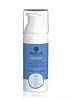
This barrier-repair moisturizer is formulated around Ectoin and Beta-Glucan to strengthen the skin barrier and hydrate skin.
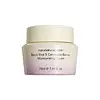
This barrier-repair moisturizer is formulated around Ceramide NP and Oryza Sativa Extract to strengthen the skin barrier and hydrate skin.


What's inside
What's inside
 Key Ingredients
Benefits
Concerns
Ingredients Side-by-side
Water
Skin ConditioningShea Butter Ethyl Esters
Emollient

Propanediol
Solvent

Serine
Masking
Polyglyceryl-6 Stearate
Emollient
Ectoin
Skin Conditioning




Sodium Polyglutamate
HumectantPentylene Glycol
Skin Conditioning
Cetearyl Alcohol
Emollient




Glyceryl Stearate
Emollient
Arginine
Masking
Beta-Glucan
Skin Conditioning
Lysine Hcl
Skin Conditioning
Polyglyceryl-6 Behenate
Emulsion Stabilising
Lactobacillus Ferment
Skin Conditioning
Gluconolactone
Chelating





Inulin
Skin Conditioning
Potassium Cetyl Phosphate
EmulsifyingDextrin Palmitate
Emulsifying
Cellulose
Absorbent
Fructose
Humectant
Glucose
Humectant
Caprylic/Capric Triglyceride
Masking
Dicaprylyl Carbonate
EmollientDiisostearyl Malate
EmollientCellulose Gum
Emulsion StabilisingXanthan Gum
EmulsifyingLactic Acid
Buffering


Calcium Gluconate
HumectantSodium Benzoate
Masking
Hydroxyacetophenone
Antioxidant
Water, Shea Butter Ethyl Esters, Propanediol, Serine, Polyglyceryl-6 Stearate, Ectoin, Sodium Polyglutamate, Pentylene Glycol, Cetearyl Alcohol, Glyceryl Stearate, Arginine, Beta-Glucan, Lysine Hcl, Polyglyceryl-6 Behenate, Lactobacillus Ferment, Gluconolactone, Inulin, Potassium Cetyl Phosphate, Dextrin Palmitate, Cellulose, Fructose, Glucose, Caprylic/Capric Triglyceride, Dicaprylyl Carbonate, Diisostearyl Malate, Cellulose Gum, Xanthan Gum, Lactic Acid, Calcium Gluconate, Sodium Benzoate, Hydroxyacetophenone
Water
Skin ConditioningGlycerin
Humectant
Butylene Glycol
Humectant
Caprylic/Capric Triglyceride
Masking
Dicaprylyl Carbonate
Emollient1,2-Hexanediol
Skin Conditioning
Ceramide NP
Skin Conditioning
Sodium Acrylate/Sodium Acryloyldimethyl Taurate Copolymer
Emulsion StabilisingCetearyl Olivate
Polyisobutene
Hydrogenated Lecithin
Emulsifying
Polyglyceryl-3 Distearate
Emulsifying
Sorbitan Olivate
Emulsifying
Cetearyl Alcohol
Emollient
Carbomer
Emulsion StabilisingArginine
Masking
Mannitol
Humectant
Stearic Acid
Cleansing
Arachidyl Alcohol
Emollient
Allantoin
Skin Conditioning
Xanthan Gum
EmulsifyingBehenyl Alcohol
Emollient
Ethylhexylglycerin
Skin ConditioningSorbitan Oleate
Emulsifying
Caprylyl/Capryl Glucoside
CleansingArachidyl Glucoside
EmulsifyingGlyceryl Stearate Citrate
Emollient
Hydrogenated Olive Oil Decyl Esters
Emulsion Stabilising
Oryza Sativa Extract
Absorbent
Phyllostachys Pubescens Shoot Bark Extract
Skin ConditioningDisodium EDTA
ChelatingAspergillus Ferment
Skin ConditioningHydrogenated Olive Oil Stearyl Esters
Emulsion Stabilising
Ceramide Ns
Skin Conditioning
Phytosphingosine
Skin Conditioning
Cholesterol
Emollient
Oryza Sativa Lees Extract
Skin ConditioningPanax Ginseng Root Extract
Emollient
Tocopherol
Antioxidant
Ceramide As
Skin Conditioning
Ceramide AP
Skin Conditioning
Cyclodextrin
AbsorbentCeramide EOP
Skin Conditioning
Water, Glycerin, Butylene Glycol, Caprylic/Capric Triglyceride, Dicaprylyl Carbonate, 1,2-Hexanediol, Ceramide NP, Sodium Acrylate/Sodium Acryloyldimethyl Taurate Copolymer, Cetearyl Olivate, Polyisobutene, Hydrogenated Lecithin, Polyglyceryl-3 Distearate, Sorbitan Olivate, Cetearyl Alcohol, Carbomer, Arginine, Mannitol, Stearic Acid, Arachidyl Alcohol, Allantoin, Xanthan Gum, Behenyl Alcohol, Ethylhexylglycerin, Sorbitan Oleate, Caprylyl/Capryl Glucoside, Arachidyl Glucoside, Glyceryl Stearate Citrate, Hydrogenated Olive Oil Decyl Esters, Oryza Sativa Extract, Phyllostachys Pubescens Shoot Bark Extract, Disodium EDTA, Aspergillus Ferment, Hydrogenated Olive Oil Stearyl Esters, Ceramide Ns, Phytosphingosine, Cholesterol, Oryza Sativa Lees Extract, Panax Ginseng Root Extract, Tocopherol, Ceramide As, Ceramide AP, Cyclodextrin, Ceramide EOP
Reviews
Ingredients Explained
These ingredients are found in both products.
Ingredients higher up in an ingredient list are typically present in a larger amount.
Arginine is a semi-essential amino acid. This just means our bodies can product a bit on its own, but sometimes needs a little boost from food sources.
It is a part of your skin's natural moisturizing factor (NMF), or the water-loving molecules in your outermost layer of skin (stratum corneum) that keeps everything hydrated and happy.
Here's an interesting thing about Arginine: your skin converts it into urea through the Krebs-Henseleit urea cycle. Urea is one of the most effective humectants your skin naturally produces.
A clinical study showed applying 2.5% arginine hydrochloride to atopic dermatitis skin showed significant urea levels in the stratum corneum and improved moisture in just four weeks.
Arginine is also a precursor to nitric oxide; nitric oxide improves microcirculation and supports wound healing and collagen synthesis.
One study found that an amino acid complex containing Arginine reduced skin irritation, improved hydration, and accelerated skin repair in clinical / in-vivo studies.
Arginine itself is an amino acid and not a fatty acid, oil, or ester. On its own, it's not a direct food source for Malassezia, or the yeast that causes fungal acne.
Learn more about ArginineCaprylic/Capric Triglyceride (aka MCT Oil) is a lightweight emollient, solvent, and texture enhancer. It is considered a skin-softener by helping to prevent moisture loss.
Though it behaves like an oil, it is not technically one due to its chemical composition. One perk of this ingredient is that it is very stable, resistant to oxidation, and unlikely to go rancid.
In practice, that translates to a long shelf life and a consistently elegant skin feel.
While there is an assumption Caprylic Triglyceride can clog pores due to it being derived from coconut oil, there is no research supporting this. Just patch test if you have concerns.
Fractionated coconut oil and MCT Oil are both listed as Caprylic/Capric Triglyceride according to INCI. This is because INCI names are based on the ingredient’s final chemical composition and not its marketing name or source.
This ingredient is treated as the gold standard fungal acne safe oil. Even though it is coconut derived, the problematic lauric acid is stripped out.
This leaves just caprylic (C8) and capric (C10) acid. These chain lengths actually trend antifungal; a 2020 study found caprylic acid was enough to disrupt Malassezia furfur cell membrane, with a caprylic acid derivative damaging membrane structures at concentrations as low as 0.2%.
Learn more about Caprylic/Capric TriglycerideCetearyl alcohol is a waxy mixture of two fatty alcohols: cetyl alcohol and stearyl alcohol. It is an emollient and emulsifier.
Despite having "alcohol" in its name, it has nothing to do with drying solvent alcohols; the FDA also allows "alcohol-free" products to contain fatty alcohols like this ingredient.
It plays several roles in a formula:
Typical use levels for this ingredient sit around 1-10% and the Cosmetic Ingredient Review Expert Panel has affirmed safety at concentrations up to 25% in leave-on products.
Multiple assessments have found it to be non-irritating and non-sensitizing to most people.
However, there have been some cases of allergic contact dermatitis in patients with chronically compromised skin barriers.
Cetearyl alcohol has a comedogenic rating of 2 and irritancy rating of 1. Both of these numbers come from the 1989 study that used rabbit ears; a "2" means mildly comedogenic and a "1" means low irritancy.
Here's the catch: rabbit skin is more sensitive than human skin and throws a lot of false positives. A 1996 reappraisal found that ingredients rated 1-2 in the rabbit ear tests are generally safe for humans.
Remember comedogenic ratings are unable to assess the entire formula of a product or how it will react on your skin. Just be sure to patch test if you are unsure about certain ingredients.
This ingredient is not fungal acne safe. Cetearyl alcohol is a fatty alcohol with chain lengths that fall within the range that Malassezia can metabolize.
A 2019 study has also observed Malassezia growth in the presence of this ingredient, confirming it to be not-fungal acne safe.
Learn more about Cetearyl AlcoholDicaprylyl Carbonate comes from carbonic acid and caprylyl alcohol, a fatty alcohol. It is an emollient and gives skin a velvet feel. The sources of Dicaprylyl Carbonate may be synthetic or from animals.
As an emollient, Dicaprylyl Carbonate creates a film on the skin. This film traps moisture in, keeping your skin soft and hydrated.
Water. It's the most common cosmetic ingredient of all. You'll usually see it at the top of ingredient lists, meaning that it makes up the largest part of the product.
So why is it so popular? Water most often acts as a solvent - this means that it helps dissolve other ingredients into the formulation.
You'll also recognize water as that liquid we all need to stay alive. If you see this, drink a glass of water. Remember to stay hydrated!
Learn more about WaterXanthan gum is used as a stabilizer and thickener within cosmetic products. It helps give products a sticky, thick feeling - preventing them from being too runny.
On the technical side of things, xanthan gum is a polysaccharide - a combination consisting of multiple sugar molecules bonded together.
Xanthan gum is a pretty common and great ingredient. It is a natural, non-toxic, non-irritating ingredient that is also commonly used in food products.
Learn more about Xanthan Gum

