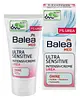
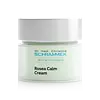
Balea Ultra Sensitive Intensivcreme Urea Versus Dr. Med. Christine Schrammek Kosmetik Rosea Calm Cream
This barrier-repair moisturizer is formulated around Urea and Panthenol to strengthen the skin barrier and hydrate skin.
This calming moisturizer is formulated around Panthenol and Ruscus Aculeatus Root Extract to calm redness and strengthen the skin barrier.

What's inside
What's inside
 Key Ingredients
Benefits
Concerns
Ingredients Side-by-side
Water
Skin ConditioningGlycerin
Humectant


Urea
Buffering


Octyldodecanol
Emollient
Dicaprylyl Ether
Emollient
Butylene Glycol
Humectant
Glyceryl Stearate Citrate
Emollient
Stearyl Alcohol
Emollient
Butyrospermum Parkii Butter
Skin Conditioning


Glyceryl Stearate
Emollient
Tocopheryl Acetate
Antioxidant


Prunus Amygdalus Dulcis Oil
Skin Conditioning
Hydrogenated Coco-Glycerides
Emollient
Triacetin
AntimicrobialPanthenol
Skin Conditioning

Allantoin
Skin Conditioning
Chondrus Crispus Powder
Abrasive
Xanthan Gum
EmulsifyingTocopherol
Antioxidant

Pentylene Glycol
Skin Conditioning
Sodium Carboxymethyl Betaglucan
Caprylyl Glycol
Emollient
Caprylhydroxamic Acid
ChelatingWater, Glycerin, Urea, Octyldodecanol, Dicaprylyl Ether, Butylene Glycol, Glyceryl Stearate Citrate, Stearyl Alcohol, Butyrospermum Parkii Butter, Glyceryl Stearate, Tocopheryl Acetate, Prunus Amygdalus Dulcis Oil, Hydrogenated Coco-Glycerides, Triacetin, Panthenol, Allantoin, Chondrus Crispus Powder, Xanthan Gum, Tocopherol, Pentylene Glycol, Sodium Carboxymethyl Betaglucan, Caprylyl Glycol, Caprylhydroxamic Acid
Water
Skin ConditioningCetearyl Alcohol
Emollient
Glycerin
Humectant
Octyldodecanol
Emollient
C12-15 Alkyl Benzoate
AntimicrobialSqualane
Emollient
Dicaprylyl Carbonate
EmollientButylene Glycol
Humectant
CI 77891
Cosmetic ColorantZinc Oxide
Cosmetic Colorant


Vitis Vinifera Seed Oil
Emollient
Hydrogenated Coco-Glycerides
Emollient
Glyceryl Stearate
Emollient
Panthenol
Skin Conditioning
Tocopheryl Acetate
Antioxidant
Mica
Cosmetic ColorantEchium Plantagineum Seed Oil
Skin Conditioning
Ruscus Aculeatus Root Extract
Astringent
Calendula Officinalis Flower Extract
Masking
Centella Asiatica Leaf Extract
Skin Conditioning
Cardiospermum Halicacabum Flower/Leaf/Vine Extract
Skin ConditioningHelianthus Annuus Seed Oil Unsaponifiables
Emollient
Hydrolyzed Yeast Protein
Skin ConditioningAmmonium Glycyrrhizate
MaskingSodium Acrylate/Sodium Acryloyldimethyl Taurate Copolymer
Emulsion StabilisingCaprylyl/Capryl Glucoside
CleansingCetearyl Glucoside
Emulsifying
Ascorbyl Glucoside
Antioxidant
Sodium Stearoyl Glutamate
CleansingSorbitan Oleate
Emulsifying
Polyisobutene
Xanthan Gum
Emulsifying1,2-Hexanediol
Skin Conditioning
Caprylyl Glycol
Emollient
Bisabolol
Antioxidant
Pantolactone
Humectant
Escin
TonicRutin
Antioxidant
Tin Oxide
Abrasive
Tocopherol
Antioxidant
Sodium Citrate
BufferingCitric Acid
Buffering
Sodium Hydroxide
BufferingPhenoxyethanol
Preservative
Ethylhexylglycerin
Skin ConditioningCI 47005
Cosmetic ColorantCI 61570
Cosmetic ColorantWater, Cetearyl Alcohol, Glycerin, Octyldodecanol, C12-15 Alkyl Benzoate, Squalane, Dicaprylyl Carbonate, Butylene Glycol, CI 77891, Zinc Oxide, Vitis Vinifera Seed Oil, Hydrogenated Coco-Glycerides, Glyceryl Stearate, Panthenol, Tocopheryl Acetate, Mica, Echium Plantagineum Seed Oil, Ruscus Aculeatus Root Extract, Calendula Officinalis Flower Extract, Centella Asiatica Leaf Extract, Cardiospermum Halicacabum Flower/Leaf/Vine Extract, Helianthus Annuus Seed Oil Unsaponifiables, Hydrolyzed Yeast Protein, Ammonium Glycyrrhizate, Sodium Acrylate/Sodium Acryloyldimethyl Taurate Copolymer, Caprylyl/Capryl Glucoside, Cetearyl Glucoside, Ascorbyl Glucoside, Sodium Stearoyl Glutamate, Sorbitan Oleate, Polyisobutene, Xanthan Gum, 1,2-Hexanediol, Caprylyl Glycol, Bisabolol, Pantolactone, Escin, Rutin, Tin Oxide, Tocopherol, Sodium Citrate, Citric Acid, Sodium Hydroxide, Phenoxyethanol, Ethylhexylglycerin, CI 47005, CI 61570
Reviews
Ingredients Explained
These ingredients are found in both products.
Ingredients higher up in an ingredient list are typically present in a larger amount.
Butylene Glycol (or BG) is used within cosmetic products for a few different reasons:
Overall, Butylene Glycol is a safe and well-rounded ingredient that works well with other ingredients.
Though this ingredient works well with most skin types, some people with sensitive skin may experience a reaction such as allergic rashes, closed comedones, or itchiness.
Learn more about Butylene GlycolCaprylyl Glycol is a humectant, skin conditioner, emollient, and preservative booster derived from either caprylic acid or synthetically created.
Typical use levels vary from 0.3-1% as a preservative booster and go up to 2% to condition skin.
Because it is not a free-fatty acid, this ingredient is fungal acne safe (there's nothing for Malassezia to feed on).
Learn more about Caprylyl GlycolGlycerin (or glycerol) is a compound naturally found in your skin. It's a powerhouse humectant that pulls water into the stratum corneum.
Topically, glycerin does several things at once:
Your skin makes glycerin on its own (mostly from sebaceous oil breakdown) and shuttles it to your outermost layer of skin, or your epidermis, via aquaporin-3.
Aquaporin-3 is a transporter that is essential for normal skin hydration, elasticity, and repair. Interestingly, mice lacking in AQP3 have dry and less elastic skin that can be fully corrected with glycerin.
This ingredient is non-irritating, plays well with almost every ingredient, and works across all skin types. Typical use is anywhere between 3-10% but can go up to 79% in some leave-on products.
Just know very high concentrations (>40%) can feel tacky in low humidity.
Glycerin is the name for this ingredient in American English. British English uses Glycerol/Glycerine.
Learn more about GlycerinGlyceryl Stearate is made by reacting glycerin with stearic acid (typically sourced from plant oils like palm or coconut). It's an emulsifier, emollient, and mild occlusive.
Emulsifiers help ingredients like oil and water stay mixed so your formula stays nicely blended and uniform in texture.
This ingredient is typically used in concentrations between 1-10%. Studies have found it to be non-sensitizing, non-phototoxic, and non-photoallergenic.
A close cousin of this ingredient is Glyceryl Stearate SE ("self-emulsifying"). This just has a small amount of sodium or potassium stearate added so it can emulsify without a co-emulsifier.
Since this ingredient is an ester of a C18 fatty acid, it may not be fungal acne safe. The Malassezia yeast can potentially metabolize within the C11-C24 range.
Fun fact: The human body also creates Glyceryl Stearate naturally.
Learn more about Glyceryl StearateHydrogenated Coco-Glycerides isn't fungal acne safe.
Octyldodecanol is a fatty alcohol sourced from plant oils like coconut or palm (or made synthetically).
It is:
You'll likely see this in many BHA products because this is the go-to solvent for salicylic acid.
This ingredient is typically used at levels between 2-20%.
Regarding fungal acne:
In 2019, this ingredient was tested against multiple Malassezia species (the yeast that causes fungal acne) and showed no growth.
Panthenol is a common ingredient that helps hydrate and soothe the skin. It is found naturally in our skin and hair.
There are two forms of panthenol: D and L.
D-panthenol is also known as dexpanthenol. Most cosmetics use dexpanthenol or a mixture of D and L-panthenol.
Panthenol is famous due to its ability to go deeper into the skin's layers. Using this ingredient has numerous pros (and no cons):
Like hyaluronic acid, panthenol is a humectant. Humectants are able to bind and hold large amounts of water to keep skin hydrated.
This ingredient works well for wound healing. It works by increasing tissue in the wound and helps close open wounds.
Once oxidized, panthenol converts to pantothenic acid. Panthothenic acid is found in all living cells.
This ingredient is also referred to as pro-vitamin B5.
Learn more about PanthenolTocopherol is a fat-soluble antioxidant known as Vitamin E.
You'll find this ingredient in the vast majority of skincare (for good reason). It works to neutralize free radicals, or unstable molecules generated by UV exposure, pollution, and other environmental stressors, before they can cause oxidative damage to your skin cells.
Topically applied tocopherol has been shown to protect against UV damage by ramping up the skin's own natural defense enzymes.
It also acts as a skin conditioning agent; some studies show that regular topical use can improve the skin's water-binding capacity over 2-4 weeks.
This ingredient is especially loved for being a team player. When combined with Vitamin C, the photoprotective effect of both ingredients roughly doubles and the combo also helps reduce UV-induced DNA damage.
This ingredient has some brightening potential but it's more of a prevention ingredient than spot-fader. Cell studies show it can slow down melanin production but it's worth noting that it's not the most powerful brightener out there.
In formulations, it also serves as a stabilizer that helps protect other oxidation-prone ingredients from degrading.
Concentrations usually range from 0.1-1% in most leave-on products.
Learn more about TocopherolTocopheryl Acetate is a stable, shelf-friendly form of vitamin E.
Formulators love it because plain vitamin E oxidizes quickly once it hits air. This acetate version stays stable and resists going off, helping to extend a product's shelf life.
It's actually inactive on its own and works like a slow-release "storage" form; the enzymes in your skin called esterases gradually convert it into active vitamin E over time.
One in vivo study showed 5% of the acetate in the living layer of the epidermis converted to vitamin E after 5 days of application. This study also found the skin gained protection against UV damage even though the conversion was slow and small.
Once converted, vitamin E acts as a skin's main fat-soluble antioxidant that fights free radicals to protect skin from damage.
Topical vitamin E generally boosts the skin's photoprotection, and it reduced UV-damage in animal models.
This ingredient has some brightening potential but it's more of a prevention ingredient than spot-fader. Cell studies show it can slow down melanin production but it's worth noting that it's not the most powerful brightener out there.
Overall, it has a pretty solid safety profile and has been found to be non-irritating and non-comedogenic. Allergic reactions may happen but stay rare due to how widely the ingredient gets used.
The concentration will vary depending on the formula; industry data shows 0.1% in baby lotions, 3% in lipsticks, and 5% in foot powders. You can also find this ingredient at 100% in a pure vitamin E oil.
Most leave-on skincare keeps it at the lower end, often between 0.5-1%.
Learn more about Tocopheryl AcetateWater. It's the most common cosmetic ingredient of all. You'll usually see it at the top of ingredient lists, meaning that it makes up the largest part of the product.
So why is it so popular? Water most often acts as a solvent - this means that it helps dissolve other ingredients into the formulation.
You'll also recognize water as that liquid we all need to stay alive. If you see this, drink a glass of water. Remember to stay hydrated!
Learn more about WaterXanthan gum is used as a stabilizer and thickener within cosmetic products. It helps give products a sticky, thick feeling - preventing them from being too runny.
On the technical side of things, xanthan gum is a polysaccharide - a combination consisting of multiple sugar molecules bonded together.
Xanthan gum is a pretty common and great ingredient. It is a natural, non-toxic, non-irritating ingredient that is also commonly used in food products.
Learn more about Xanthan Gum

