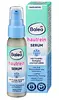
This acne serum is formulated around Niacinamide and Salicylic Acid to clear breakouts and balance excess oil.
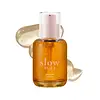
This pore-care serum is formulated around Niacinamide and Gluconolactone to refine the look of pores and refine skin texture.


What's inside
What's inside
 Key Ingredients
Benefits
Concerns
Ingredients Side-by-side
Water
Skin ConditioningGlycerin
Humectant


Octyldodecanol
Emollient
Distarch Phosphate
AbsorbentVitis Vinifera Seed Oil
Emollient



Xanthan Gum
EmulsifyingPectin
Emulsion StabilisingPanthenol
Skin Conditioning
Dicaprylyl Ether
Emollient
Hydroxyacetophenone
Antioxidant
Niacinamide
Smoothing







Salicylic Acid
Masking




Lauryl Alcohol
Emollient
1,2-Hexanediol
Skin Conditioning
Caprylyl Glycol
Emollient
Lactic Acid
Buffering
Zinc PCA
Humectant
Allantoin
Skin Conditioning
Chondrus Crispus Powder
Abrasive

Sodium Hydroxide
BufferingBisabolol
Antioxidant
PCA
Humectant
Citric Acid
Buffering
Malic Acid
Buffering
Pyruvic Acid
MaskingTartaric Acid
Buffering
Tocopherol
Antioxidant
Water, Glycerin, Octyldodecanol, Distarch Phosphate, Vitis Vinifera Seed Oil, Xanthan Gum, Pectin, Panthenol, Dicaprylyl Ether, Hydroxyacetophenone, Niacinamide, Salicylic Acid, Lauryl Alcohol, 1,2-Hexanediol, Caprylyl Glycol, Lactic Acid, Zinc PCA, Allantoin, Chondrus Crispus Powder, Sodium Hydroxide, Bisabolol, PCA, Citric Acid, Malic Acid, Pyruvic Acid, Tartaric Acid, Tocopherol
Bifida Ferment Filtrate
Skin Conditioning
Butylene Glycol
Humectant
Glycerin
Humectant
Niacinamide
Smoothing
1,2-Hexanediol
Skin Conditioning
Water
Skin ConditioningDipropylene Glycol
HumectantBetaine
Humectant
Hydroxyacetophenone
Antioxidant
Panthenol
Skin Conditioning
Caprylyl Glycol
Emollient
Carbomer
Emulsion StabilisingTromethamine
BufferingC12-14 Alketh-12
EmulsifyingAllantoin
Skin Conditioning
Centella Asiatica Extract
Cleansing
Ammonium Acryloyldimethyltaurate/Vp Copolymer
Adenosine
Skin Conditioning
Parfum
Masking

Caramel
Cosmetic ColorantGluconolactone
Chelating
Salicylic Acid
Masking
Capryloyl Salicylic Acid
Exfoliating
Enantia Chlorantha Bark Extract
Skin ConditioningLactic Acid
Buffering
Boerhavia Diffusa Root Extract
Skin Protecting
Hydroxypropyl Cyclodextrin
MaskingHamamelis Virginiana Extract
Antiseborrhoeic
Pinus Densiflora Leaf Extract
Antimicrobial
Dipotassium Glycyrrhizate
Humectant
Vitis Vinifera Fruit Extract
Skin ConditioningDiospyros Kaki Leaf Extract
Skin Protecting
Ethylhexylglycerin
Skin ConditioningDextrin
AbsorbentLactobacillus Ferment
Skin Conditioning
Coffea Arabica Seed Extract
Masking
Polygonum Cuspidatum Root Extract
Antioxidant
Carthamus Tinctorius Flower Extract
Skin ConditioningCamellia Sinensis Leaf Extract
Antimicrobial
Castanea Crenata Shell Extract
Skin ConditioningZanthoxylum Piperitum Fruit Extract
Skin ConditioningOleanolic Acid
Skin ConditioningBifida Ferment Filtrate, Butylene Glycol, Glycerin, Niacinamide, 1,2-Hexanediol, Water, Dipropylene Glycol, Betaine, Hydroxyacetophenone, Panthenol, Caprylyl Glycol, Carbomer, Tromethamine, C12-14 Alketh-12, Allantoin, Centella Asiatica Extract, Ammonium Acryloyldimethyltaurate/Vp Copolymer, Adenosine, Parfum, Caramel, Gluconolactone, Salicylic Acid, Capryloyl Salicylic Acid, Enantia Chlorantha Bark Extract, Lactic Acid, Boerhavia Diffusa Root Extract, Hydroxypropyl Cyclodextrin, Hamamelis Virginiana Extract, Pinus Densiflora Leaf Extract, Dipotassium Glycyrrhizate, Vitis Vinifera Fruit Extract, Diospyros Kaki Leaf Extract, Ethylhexylglycerin, Dextrin, Lactobacillus Ferment, Coffea Arabica Seed Extract, Polygonum Cuspidatum Root Extract, Carthamus Tinctorius Flower Extract, Camellia Sinensis Leaf Extract, Castanea Crenata Shell Extract, Zanthoxylum Piperitum Fruit Extract, Oleanolic Acid
Ingredients Explained
These ingredients are found in both products.
Ingredients higher up in an ingredient list are typically present in a larger amount.
1,2-Hexanediol is a synthetic liquid and another multi-functional powerhouse.
It is a:
- Humectant, drawing moisture into the skin
- Emollient, helping to soften skin
- Solvent, dispersing and stabilizing formulas
- Preservative booster, enhancing the antimicrobial activity of other preservatives
Allantoin is a soothing ingredient known for its protective and moisturizing properties; it's basically a quiet workhorse ingredient you can find in a huge range of cosmetics.
Though it can be derived from the comfrey plant, allantoin is produced synthetically for cosmetic products to ensure purity.
Research shows it can encourage your skin cells to turn over and renew by stimulating keratinocyte and fibroblast proliferation.
It also has mild keratolytic properties to help loosen and shed dead skin cells without being harsh.
Studies also suggest allantoin can help calm inflammation by dialing down some of the chemical signals your skin sends out when it is irritated.
This ingredient is typically used in the 0.1-0.5% range, and the FDA recognizes it as a skin protectant in OTC products up to 2%.
Overall, allantoin is a wonderful addition to most routines; it is stable across a wide pH range (~4-8), works well with other ingredients, and is considered non-sensitizing/non-irritating.
Fun fact: Allantoin is naturally occurring in comfrey root, beets, chamomile, and wheat sprouts. Our bodies even produce it as a byproduct of uric acid metabolism.
Learn more about AllantoinCaprylyl Glycol is a humectant, skin conditioner, emollient, and preservative booster derived from either caprylic acid or synthetically created.
Typical use levels vary from 0.3-1% as a preservative booster and go up to 2% to condition skin.
Because it is not a free-fatty acid, this ingredient is fungal acne safe (there's nothing for Malassezia to feed on).
Learn more about Caprylyl GlycolGlycerin (or glycerol) is a compound naturally found in your skin. It's a powerhouse humectant that pulls water into the stratum corneum.
Topically, glycerin does several things at once:
Your skin makes glycerin on its own (mostly from sebaceous oil breakdown) and shuttles it to your outermost layer of skin, or your epidermis, via aquaporin-3.
Aquaporin-3 is a transporter that is essential for normal skin hydration, elasticity, and repair. Interestingly, mice lacking in AQP3 have dry and less elastic skin that can be fully corrected with glycerin.
This ingredient is non-irritating, plays well with almost every ingredient, and works across all skin types. Typical use is anywhere between 3-10% but can go up to 79% in some leave-on products.
Just know very high concentrations (>40%) can feel tacky in low humidity.
Glycerin is the name for this ingredient in American English. British English uses Glycerol/Glycerine.
Learn more about GlycerinHydroxyacetophenone is a small phenolic molecule that earns its place in a formulas as an antioxidant and preservative booster.
As a phenol, it is able to neutralize free radicals to protect both the product and the skin from oxidative stress.
Though it can't kill microbes on its own, it works as a good supporting agent when combined with other preservatives like Phenoxyethanol or 1,2-Hexanediol.
This ingredient naturally occurs as piceol in Norwegian spruce needles (~0.4-1.1% dry weight and in cloudberries). Though the cosmetic-grade material is synthesized for purity and consistency.
You'll usually see it used at low levels and suppliers recommend up to 1% added to a water phase.
Safety testing was done at concentrations like 0.05% in SPF products and 0.5% in a Human Repeated Insult Patch Test. The safety evidence is assuring; this ingredient is safe for cosmetics in current use and also holds safety status as a food flavoring as well.
An honest caveat: the "soothing" and "anti-inflammatory" claims come mostly from supplier marketing rather than published clinical trials. The Cosmetic Ingredient Review's own literature search found no useful efficacy studies on this ingredient.
So the antioxidant and preservative-boosting roles are the well supported ones while the calming benefit is plausible but thinly evidenced.
Overall, this is a well-tolerated, low-irritation multitasker that quietly helps a formula stay fresh and stable.
Learn more about HydroxyacetophenoneLactic Acid is another well-loved alpha hydroxy acid (AHA). It is gentler than glycolic acid but still highly effective.
Its main role is to exfoliate the surface of the skin by loosening the “glue” that holds dead skin cells together. Shedding those old cells leads to smoother, softer, and more even-toned skin.
Because lactic acid molecules are larger than glycolic acid, they don’t penetrate as deeply. This means they’re less likely to sting or irritate, making it a great choice for beginners or those with sensitive skin.
Like glycolic acid, it can:
Lactic acid also acts as a humectant (like hyaluronic acid). It can draw water into the skin to improve hydration and also plays a role in the skin's natural moisturizing factor (NMF) in the form of sodium lactate.
Studies show it can boost ceramide production to strengthen the skin barrier and even help balance the skin’s microbiome.
To get results, choose products with a pH between 3-4.
Lower strengths (5-12%) focus on surface exfoliation; higher strengths (12% and up) can reach deeper in the dermis (deeper, supportive layer) to improve skin texture and firmness over time.
Though it was originally derived from milk, most modern lactic acid used in skincare is vegan. It is made through non-dairy fermentation to create a bio-identical and stable form suitable for all formulations.
When lactic acid shows up near the end of an ingredient list, it usually means the brand added just a tiny amount to adjust the product’s pH.
Legend has it that Cleopatra used to bathe in sour milk to help reduce wrinkles.
Lactic acid is truly a gentle multitasker: it exfoliates, hydrates, strengthens, and brightens. It's a great ingredient for giving your skin a smooth, glowing, and healthy look without the harshness of stronger acids.
Read more about some other popular AHA's here:
Learn more about Lactic AcidNiacinamide is a multitasking form of vitamin B3 that strengthens the skin barrier, reduces pores and dark spots, regulates oil, and improves signs of aging.
And the best part? It's gentle and well-tolerated by most skin types, including sensitive and reactive skin.
You might have heard of "niacin flush", or the reddening of skin that causes itchiness. Niacinamide has not been found to cause this.
In very rare cases, some individuals may not be able to tolerate niacinamide at all or experience an allergic reaction to it.
If you are experiencing flaking, irritation, and dryness with this ingredient, be sure to double check all your products as this ingredient can be found in all categories of skincare.
When incorporating niacinamide into your routine, look out for concentration amounts. Typically, 5% niacinamide provides benefits such as fading dark spots. However, if you have sensitive skin, it is better to begin with a smaller concentration.
When you apply niacinamide to your skin, your body converts it into nicotinamide adenine dinucleotide (NAD). NAD is an essential coenzyme that is already found in your cells as "fuel" and powers countless biological processes.
In your skin, NAD helps repair cell damage, produce new healthy cells, support collagen production, strengthen the skin barrier, and fight environmental stressors (like UV and pollution).
Our natural NAD levels start to decline with age, leading to slower skin repair, visible aging, and a weaker skin barrier. By providing your skin niacinamide, you're recharging your skin's NAD levels. This leads to stronger, healthier, and younger looking skin.
Another name for vitamin B3 is nicotinamide. This vitamin is water-soluble and our bodies don't store it. We obtain Vitamin B3 from either food or skincare. Meat, fish, wheat, yeast, and leafy greens contain vitamin B3.
The type of niacinamide used in skincare is synthetically created.
Learn more about NiacinamidePanthenol is a common ingredient that helps hydrate and soothe the skin. It is found naturally in our skin and hair.
There are two forms of panthenol: D and L.
D-panthenol is also known as dexpanthenol. Most cosmetics use dexpanthenol or a mixture of D and L-panthenol.
Panthenol is famous due to its ability to go deeper into the skin's layers. Using this ingredient has numerous pros (and no cons):
Like hyaluronic acid, panthenol is a humectant. Humectants are able to bind and hold large amounts of water to keep skin hydrated.
This ingredient works well for wound healing. It works by increasing tissue in the wound and helps close open wounds.
Once oxidized, panthenol converts to pantothenic acid. Panthothenic acid is found in all living cells.
This ingredient is also referred to as pro-vitamin B5.
Learn more about PanthenolSalicylic Acid (also known as beta hydroxy acid or BHA) is a well-known ingredient for treating skin that struggles with acne and clogged pores. It exfoliates both the skin's surface and deep within the pores to help clear out buildup, control oil, and reduce inflammation.
Unlike AHAs (alpha hydroxy acids), salicylic acid is oil-soluble. This allows it to penetrate into pores which makes it especially effective for treating blackheads and preventing future breakouts.
Salicylic acid is also known for its soothing properties. It has a similar structure to aspirin and can calm inflamed or irritated skin, making it a good option for acne-prone skin that is also sensitive.
Concentrations of 0.5-2% are recognized by the U.S. FDA as an over-the-counter topical acne product.
It can cause irritation and/or dryness if one's skin already has a compromised moisture barrier, so it's best to focus on repairing that before introducing this ingredient into your routine.
While salicylic acid does not increase sun sensitivity, it’s still important to wear sunscreen daily to protect your skin.
If you are looking for the ingredient called BHA or Butylated Hydroxyanisole, click here.
Learn more about Salicylic AcidWater. It's the most common cosmetic ingredient of all. You'll usually see it at the top of ingredient lists, meaning that it makes up the largest part of the product.
So why is it so popular? Water most often acts as a solvent - this means that it helps dissolve other ingredients into the formulation.
You'll also recognize water as that liquid we all need to stay alive. If you see this, drink a glass of water. Remember to stay hydrated!
Learn more about Water


