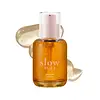
This pore-care serum is formulated around Niacinamide and Gluconolactone to refine the look of pores and refine skin texture.
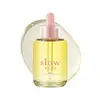
This brightening serum is formulated around Niacinamide and 3-O-Ethyl Ascorbic Acid to brighten dull-looking skin and fade the look of dark spots.

What's inside
What's inside
 Key Ingredients
Benefits
Concerns
Ingredients Side-by-side
Bifida Ferment Filtrate
Skin Conditioning
Butylene Glycol
Humectant
Glycerin
Humectant
Niacinamide
Smoothing









1,2-Hexanediol
Skin Conditioning
Water
Skin ConditioningDipropylene Glycol
HumectantBetaine
Humectant
Hydroxyacetophenone
Antioxidant
Panthenol
Skin Conditioning
Caprylyl Glycol
Emollient
Carbomer
Emulsion StabilisingTromethamine
BufferingC12-14 Alketh-12
EmulsifyingAllantoin
Skin Conditioning
Centella Asiatica Extract
Cleansing
Ammonium Acryloyldimethyltaurate/Vp Copolymer
Adenosine
Skin Conditioning
Parfum
Masking




Caramel
Cosmetic ColorantGluconolactone
Chelating
Salicylic Acid
Masking


Capryloyl Salicylic Acid
Exfoliating
Enantia Chlorantha Bark Extract
Skin ConditioningLactic Acid
Buffering
Boerhavia Diffusa Root Extract
Skin Protecting
Hydroxypropyl Cyclodextrin
MaskingHamamelis Virginiana Extract
Antiseborrhoeic
Pinus Densiflora Leaf Extract
Antimicrobial
Dipotassium Glycyrrhizate
Humectant
Vitis Vinifera Fruit Extract
Skin ConditioningDiospyros Kaki Leaf Extract
Skin Protecting
Ethylhexylglycerin
Skin ConditioningDextrin
AbsorbentLactobacillus Ferment
Skin Conditioning
Coffea Arabica Seed Extract
Masking
Polygonum Cuspidatum Root Extract
Antioxidant
Carthamus Tinctorius Flower Extract
Skin ConditioningCamellia Sinensis Leaf Extract
Antimicrobial
Castanea Crenata Shell Extract
Skin ConditioningZanthoxylum Piperitum Fruit Extract
Skin ConditioningOleanolic Acid
Skin ConditioningBifida Ferment Filtrate, Butylene Glycol, Glycerin, Niacinamide, 1,2-Hexanediol, Water, Dipropylene Glycol, Betaine, Hydroxyacetophenone, Panthenol, Caprylyl Glycol, Carbomer, Tromethamine, C12-14 Alketh-12, Allantoin, Centella Asiatica Extract, Ammonium Acryloyldimethyltaurate/Vp Copolymer, Adenosine, Parfum, Caramel, Gluconolactone, Salicylic Acid, Capryloyl Salicylic Acid, Enantia Chlorantha Bark Extract, Lactic Acid, Boerhavia Diffusa Root Extract, Hydroxypropyl Cyclodextrin, Hamamelis Virginiana Extract, Pinus Densiflora Leaf Extract, Dipotassium Glycyrrhizate, Vitis Vinifera Fruit Extract, Diospyros Kaki Leaf Extract, Ethylhexylglycerin, Dextrin, Lactobacillus Ferment, Coffea Arabica Seed Extract, Polygonum Cuspidatum Root Extract, Carthamus Tinctorius Flower Extract, Camellia Sinensis Leaf Extract, Castanea Crenata Shell Extract, Zanthoxylum Piperitum Fruit Extract, Oleanolic Acid
Hippophae Rhamnoides Water
Masking
Water
Skin ConditioningPropanediol
Solvent
Butylene Glycol
Humectant
Niacinamide
Smoothing
1,2-Hexanediol
Skin Conditioning
Hydroxyacetophenone
Antioxidant
3-O-Ethyl Ascorbic Acid
Skin Conditioning
C12-13 Alketh-9
EmulsifyingAcrylates/C10-30 Alkyl Acrylate Crosspolymer
Emulsion StabilisingTromethamine
BufferingXanthan Gum
EmulsifyingPanthenol
Skin Conditioning
Arbutin
Antioxidant
Gardenia Florida Fruit Extract
Skin ConditioningEriobotrya Japonica Leaf Extract
Skin ConditioningDextrin
AbsorbentVitis Vinifera Vine Extract
Skin ConditioningMentha Viridis Extract
MaskingHippophae Rhamnoides Extract
MaskingParfum
Masking
Hippophae Rhamnoides Water, Water, Propanediol, Butylene Glycol, Niacinamide, 1,2-Hexanediol, Hydroxyacetophenone, 3-O-Ethyl Ascorbic Acid, C12-13 Alketh-9, Acrylates/C10-30 Alkyl Acrylate Crosspolymer, Tromethamine, Xanthan Gum, Panthenol, Arbutin, Gardenia Florida Fruit Extract, Eriobotrya Japonica Leaf Extract, Dextrin, Vitis Vinifera Vine Extract, Mentha Viridis Extract, Hippophae Rhamnoides Extract, Parfum
Ingredients Explained
These ingredients are found in both products.
Ingredients higher up in an ingredient list are typically present in a larger amount.
1,2-Hexanediol is a synthetic liquid and another multi-functional powerhouse.
It is a:
- Humectant, drawing moisture into the skin
- Emollient, helping to soften skin
- Solvent, dispersing and stabilizing formulas
- Preservative booster, enhancing the antimicrobial activity of other preservatives
Butylene Glycol (or BG) is used within cosmetic products for a few different reasons:
Overall, Butylene Glycol is a safe and well-rounded ingredient that works well with other ingredients.
Though this ingredient works well with most skin types, some people with sensitive skin may experience a reaction such as allergic rashes, closed comedones, or itchiness.
Learn more about Butylene GlycolDextrin is a starch-derived polysaccharide. It's made by partially breaking down corn, potato, or other plant starches.
Think of it as "half-processed" starch; it's less complex than the original but not fully broken down into sugar like maltodextrin.
In cosmetics, it mainly functions as a bulking agent, viscosity controller, binder, and absorbent. It helps thicken products, stabilize powders, and get certain textures a less "wet" feel.
This ingredient has a pretty solid safety profile; it's recognized as a safe food additive and its large molecular size means it doesn't meaningfully penetrate skin.
Human repeat insult patch tests using a rinse-off facial product containing 42.69% dextrin found no skin irritation or sensitization in 54 subjects.
Typical real-world usage is much lower: usually under 1% as a texture modifier and up to 40% in masks (rinse off products use less).
Learn more about DextrinHydroxyacetophenone is a small phenolic molecule that earns its place in a formulas as an antioxidant and preservative booster.
As a phenol, it is able to neutralize free radicals to protect both the product and the skin from oxidative stress.
Though it can't kill microbes on its own, it works as a good supporting agent when combined with other preservatives like Phenoxyethanol or 1,2-Hexanediol.
This ingredient naturally occurs as piceol in Norwegian spruce needles (~0.4-1.1% dry weight and in cloudberries). Though the cosmetic-grade material is synthesized for purity and consistency.
You'll usually see it used at low levels and suppliers recommend up to 1% added to a water phase.
Safety testing was done at concentrations like 0.05% in SPF products and 0.5% in a Human Repeated Insult Patch Test. The safety evidence is assuring; this ingredient is safe for cosmetics in current use and also holds safety status as a food flavoring as well.
An honest caveat: the "soothing" and "anti-inflammatory" claims come mostly from supplier marketing rather than published clinical trials. The Cosmetic Ingredient Review's own literature search found no useful efficacy studies on this ingredient.
So the antioxidant and preservative-boosting roles are the well supported ones while the calming benefit is plausible but thinly evidenced.
Overall, this is a well-tolerated, low-irritation multitasker that quietly helps a formula stay fresh and stable.
Learn more about HydroxyacetophenoneNiacinamide is a multitasking form of vitamin B3 that strengthens the skin barrier, reduces pores and dark spots, regulates oil, and improves signs of aging.
And the best part? It's gentle and well-tolerated by most skin types, including sensitive and reactive skin.
You might have heard of "niacin flush", or the reddening of skin that causes itchiness. Niacinamide has not been found to cause this.
In very rare cases, some individuals may not be able to tolerate niacinamide at all or experience an allergic reaction to it.
If you are experiencing flaking, irritation, and dryness with this ingredient, be sure to double check all your products as this ingredient can be found in all categories of skincare.
When incorporating niacinamide into your routine, look out for concentration amounts. Typically, 5% niacinamide provides benefits such as fading dark spots. However, if you have sensitive skin, it is better to begin with a smaller concentration.
When you apply niacinamide to your skin, your body converts it into nicotinamide adenine dinucleotide (NAD). NAD is an essential coenzyme that is already found in your cells as "fuel" and powers countless biological processes.
In your skin, NAD helps repair cell damage, produce new healthy cells, support collagen production, strengthen the skin barrier, and fight environmental stressors (like UV and pollution).
Our natural NAD levels start to decline with age, leading to slower skin repair, visible aging, and a weaker skin barrier. By providing your skin niacinamide, you're recharging your skin's NAD levels. This leads to stronger, healthier, and younger looking skin.
Another name for vitamin B3 is nicotinamide. This vitamin is water-soluble and our bodies don't store it. We obtain Vitamin B3 from either food or skincare. Meat, fish, wheat, yeast, and leafy greens contain vitamin B3.
The type of niacinamide used in skincare is synthetically created.
Learn more about NiacinamidePanthenol is a common ingredient that helps hydrate and soothe the skin. It is found naturally in our skin and hair.
There are two forms of panthenol: D and L.
D-panthenol is also known as dexpanthenol. Most cosmetics use dexpanthenol or a mixture of D and L-panthenol.
Panthenol is famous due to its ability to go deeper into the skin's layers. Using this ingredient has numerous pros (and no cons):
Like hyaluronic acid, panthenol is a humectant. Humectants are able to bind and hold large amounts of water to keep skin hydrated.
This ingredient works well for wound healing. It works by increasing tissue in the wound and helps close open wounds.
Once oxidized, panthenol converts to pantothenic acid. Panthothenic acid is found in all living cells.
This ingredient is also referred to as pro-vitamin B5.
Learn more about PanthenolParfum is a catch-all term for an ingredient or more that is used to give a scent to products.
Also called "fragrance", this ingredient can be a blend of hundreds of chemicals or plant oils. This means every product with "fragrance" or "parfum" in the ingredients list is a different mixture.
For instance, Habanolide is a proprietary trade name for a specific aroma chemical. When used as a fragrance ingredient in cosmetics, most aroma chemicals fall under the broad labeling category of “FRAGRANCE” or “PARFUM” according to EU and US regulations.
The term 'parfum' or 'fragrance' is not regulated in many countries. In many cases, it is up to the brand to define this term.
For instance, many brands choose to label themselves as "fragrance-free" because they are not using synthetic fragrances. However, their products may still contain ingredients such as essential oils that are considered a fragrance by INCI standards.
One example is Calendula flower extract. Calendula is an essential oil that still imparts a scent or 'fragrance'.
Depending on the blend, the ingredients in the mixture can cause allergies and sensitivities on the skin. Some ingredients that are known EU allergens include linalool and citronellol.
Parfum can also be used to mask or cover an unpleasant scent.
The bottom line is: not all fragrances/parfum/ingredients are created equally. If you are worried about fragrances, we recommend taking a closer look at an ingredient. And of course, we always recommend speaking with a professional.
Learn more about ParfumTromethamine (aka THAM) is a synthetic amino acid that shows up in skincare as a helper ingredient.
It functions as a pH adjuster to help neutralize acidic ingredients and set a formula's pH to the right spot.
This matters a lot because a lot of actives (like vitamin C) needs a specific pH to work well and feel comfortable on skin.
Concentration use ranges from 0.1-1.0% depending on the formula.
Learn more about TromethamineWater. It's the most common cosmetic ingredient of all. You'll usually see it at the top of ingredient lists, meaning that it makes up the largest part of the product.
So why is it so popular? Water most often acts as a solvent - this means that it helps dissolve other ingredients into the formulation.
You'll also recognize water as that liquid we all need to stay alive. If you see this, drink a glass of water. Remember to stay hydrated!
Learn more about Water

