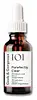
This pore-care serum is formulated around Niacinamide and Gluconolactone to refine the look of pores and refine skin texture.
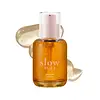
This pore-care serum is formulated around Salicylic Acid and Sarcosine to refine the look of pores and clear breakouts.


What's inside
What's inside
 Key Ingredients
Benefits
Concerns
Ingredients Side-by-side
Bifida Ferment Filtrate
Skin Conditioning
Butylene Glycol
Humectant
Glycerin
Humectant
Niacinamide
Smoothing









1,2-Hexanediol
Skin Conditioning
Water
Skin ConditioningDipropylene Glycol
HumectantBetaine
Humectant
Hydroxyacetophenone
Antioxidant
Panthenol
Skin Conditioning
Caprylyl Glycol
Emollient
Carbomer
Emulsion StabilisingTromethamine
BufferingC12-14 Alketh-12
EmulsifyingAllantoin
Skin Conditioning
Centella Asiatica Extract
Cleansing
Ammonium Acryloyldimethyltaurate/Vp Copolymer
Adenosine
Skin Conditioning
Parfum
Masking




Caramel
Cosmetic ColorantGluconolactone
Skin Conditioning
Salicylic Acid
Masking


Capryloyl Salicylic Acid
Exfoliating
Enantia Chlorantha Bark Extract
Skin ConditioningLactic Acid
Buffering
Boerhavia Diffusa Root Extract
Skin Protecting
Hydroxypropyl Cyclodextrin
MaskingHamamelis Virginiana Extract
Antiseborrhoeic
Pinus Densiflora Leaf Extract
Antimicrobial
Dipotassium Glycyrrhizate
Humectant
Vitis Vinifera Fruit Extract
Skin ConditioningDiospyros Kaki Leaf Extract
Skin Protecting
Ethylhexylglycerin
Skin ConditioningDextrin
AbsorbentLactobacillus Ferment
Skin Conditioning
Coffea Arabica Seed Extract
Masking
Polygonum Cuspidatum Root Extract
Antioxidant
Carthamus Tinctorius Flower Extract
Skin ConditioningCamellia Sinensis Leaf Extract
Antimicrobial
Castanea Crenata Shell Extract
Skin ConditioningZanthoxylum Piperitum Fruit Extract
Skin ConditioningOleanolic Acid
Skin ConditioningBifida Ferment Filtrate, Butylene Glycol, Glycerin, Niacinamide, 1,2-Hexanediol, Water, Dipropylene Glycol, Betaine, Hydroxyacetophenone, Panthenol, Caprylyl Glycol, Carbomer, Tromethamine, C12-14 Alketh-12, Allantoin, Centella Asiatica Extract, Ammonium Acryloyldimethyltaurate/Vp Copolymer, Adenosine, Parfum, Caramel, Gluconolactone, Salicylic Acid, Capryloyl Salicylic Acid, Enantia Chlorantha Bark Extract, Lactic Acid, Boerhavia Diffusa Root Extract, Hydroxypropyl Cyclodextrin, Hamamelis Virginiana Extract, Pinus Densiflora Leaf Extract, Dipotassium Glycyrrhizate, Vitis Vinifera Fruit Extract, Diospyros Kaki Leaf Extract, Ethylhexylglycerin, Dextrin, Lactobacillus Ferment, Coffea Arabica Seed Extract, Polygonum Cuspidatum Root Extract, Carthamus Tinctorius Flower Extract, Camellia Sinensis Leaf Extract, Castanea Crenata Shell Extract, Zanthoxylum Piperitum Fruit Extract, Oleanolic Acid
Reviews
Ingredients Explained
These ingredients are found in both products.
Ingredients higher up in an ingredient list are typically present in a larger amount.
Allantoin is a soothing ingredient known for its protective and moisturizing properties; it's basically a quiet workhorse ingredient you can find in a huge range of cosmetics.
Though it can be derived from the comfrey plant, allantoin is produced synthetically for cosmetic products to ensure purity.
Research shows it can encourage your skin cells to turn over and renew by stimulating keratinocyte and fibroblast proliferation.
It also has mild keratolytic properties to help loosen and shed dead skin cells without being harsh.
Studies also suggest allantoin can help calm inflammation by dialing down some of the chemical signals your skin sends out when it is irritated.
This ingredient is typically used in the 0.1-0.5% range, and the FDA recognizes it as a skin protectant in OTC products up to 2%.
Overall, allantoin is a wonderful addition to most routines; it is stable across a wide pH range (~4-8), works well with other ingredients, and is considered non-sensitizing/non-irritating.
Fun fact: Allantoin is naturally occurring in comfrey root, beets, chamomile, and wheat sprouts. Our bodies even produce it as a byproduct of uric acid metabolism.
Learn more about AllantoinButylene Glycol (or BG) is used within cosmetic products for a few different reasons:
Overall, Butylene Glycol is a safe and well-rounded ingredient that works well with other ingredients.
Though this ingredient works well with most skin types, some people with sensitive skin may experience a reaction such as allergic rashes, closed comedones, or itchiness.
Learn more about Butylene GlycolDipropylene Glycol is a synthetically created humectant, stabilizer, and solvent.
This ingredient helps:
Dipropylene glycol is technically an alcohol, but it belongs to the glycol family (often considered part of the ‘good’ alcohols). This means it is hydrating and gentle on skin unlike drying solvent alcohols like denatured alcohol.
As a masking agent, Dipropylene Glycol can be used to cover the smell of other ingredients. However, it does not have a scent.
Studies show Dipropylene Glycol is considered safe to use in skincare.
Learn more about Dipropylene GlycolSalicylic Acid (also known as beta hydroxy acid or BHA) is a well-known ingredient for treating skin that struggles with acne and clogged pores. It exfoliates both the skin's surface and deep within the pores to help clear out buildup, control oil, and reduce inflammation.
Unlike AHAs (alpha hydroxy acids), salicylic acid is oil-soluble. This allows it to penetrate into pores which makes it especially effective for treating blackheads and preventing future breakouts.
Salicylic acid is also known for its soothing properties. It has a similar structure to aspirin and can calm inflamed or irritated skin, making it a good option for acne-prone skin that is also sensitive.
Concentrations of 0.5-2% are recognized by the U.S. FDA as an over-the-counter topical acne product.
It can cause irritation and/or dryness if one's skin already has a compromised moisture barrier, so it's best to focus on repairing that before introducing this ingredient into your routine.
While salicylic acid does not increase sun sensitivity, it’s still important to wear sunscreen daily to protect your skin.
If you are looking for the ingredient called BHA or Butylated Hydroxyanisole, click here.
Learn more about Salicylic AcidWater. It's the most common cosmetic ingredient of all. You'll usually see it at the top of ingredient lists, meaning that it makes up the largest part of the product.
So why is it so popular? Water most often acts as a solvent - this means that it helps dissolve other ingredients into the formulation.
You'll also recognize water as that liquid we all need to stay alive. If you see this, drink a glass of water. Remember to stay hydrated!
Learn more about Water

