
What's inside
What's inside
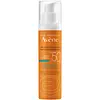 Key Ingredients
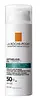
Benefits
Concerns
Ingredients Side-by-side
Water
Skin ConditioningC12-15 Alkyl Benzoate
AntimicrobialMethylene Bis-Benzotriazolyl Tetramethylbutylphenol
UV Filter
Diisopropyl Adipate
EmollientIsodecyl Neopentanoate
EmollientSilica
Abrasive


Dicaprylyl Carbonate
EmollientBis-Ethylhexyloxyphenol Methoxyphenyl Triazine
Skin Conditioning
Diethylhexyl Butamido Triazone
UV Absorber
Aluminum Starch Octenylsuccinate
Absorbent
Butyl Methoxydibenzoylmethane
UV Absorber
Potassium Cetyl Phosphate
EmulsifyingDecyl Glucoside
Cleansing1,2-Hexanediol
Skin Conditioning
C10-18 Triglycerides
Emollient
Glyceryl Laurate
Emollient
Vp/Eicosene Copolymer
Acrylates/C10-30 Alkyl Acrylate Crosspolymer
Emulsion StabilisingBenzoic Acid
Masking
Butylene Glycol
Humectant
Caprylic/Capric Triglyceride
Masking
Disodium EDTA
Parfum
Masking
Glyceryl Behenate
Emollient
Glyceryl Dibehenate
Emollient
Glyceryl Stearate
Emollient
Oxothiazolidine
Skin ProtectingPEG-100 Stearate
Propylene Glycol
Humectant
Sodium Benzoate
Masking
Tocopherol
Antioxidant




Tocopheryl Glucoside
EmollientTribehenin
Emollient
Xanthan Gum
EmulsifyingZinc Gluconate
Skin Conditioning

Water, C12-15 Alkyl Benzoate, Methylene Bis-Benzotriazolyl Tetramethylbutylphenol, Diisopropyl Adipate, Isodecyl Neopentanoate, Silica, Dicaprylyl Carbonate, Bis-Ethylhexyloxyphenol Methoxyphenyl Triazine, Diethylhexyl Butamido Triazone, Aluminum Starch Octenylsuccinate, Butyl Methoxydibenzoylmethane, Potassium Cetyl Phosphate, Decyl Glucoside, 1,2-Hexanediol, C10-18 Triglycerides, Glyceryl Laurate, Vp/Eicosene Copolymer, Acrylates/C10-30 Alkyl Acrylate Crosspolymer, Benzoic Acid, Butylene Glycol, Caprylic/Capric Triglyceride, Disodium EDTA, Parfum, Glyceryl Behenate, Glyceryl Dibehenate, Glyceryl Stearate, Oxothiazolidine, PEG-100 Stearate, Propylene Glycol, Sodium Benzoate, Tocopherol, Tocopheryl Glucoside, Tribehenin, Xanthan Gum, Zinc Gluconate
Water
Skin ConditioningSilica
Abrasive
Isopropyl Palmitate
Emollient

Bis-Ethylhexyloxyphenol Methoxyphenyl Triazine
Skin Conditioning
Ethylhexyl Salicylate
UV Absorber
Ethylhexyl Triazone
UV Absorber
Butyl Methoxydibenzoylmethane
UV Absorber
Dicaprylyl Ether
Emollient
Niacinamide
Smoothing





Drometrizole Trisiloxane
UV Absorber
Phenylbenzimidazole Sulfonic Acid
UV Absorber
Diisopropyl Adipate
EmollientTriethanolamine
BufferingGlycerin
Humectant
Zea Mays Starch
AbsorbentDiisopropyl Sebacate
EmollientDiethylamino Hydroxybenzoyl Hexyl Benzoate
UV Filter
Pentylene Glycol
Skin ConditioningTocopherol
Antioxidant
Sodium Stearoyl Glutamate
CleansingPerlite
AbsorbentAcrylates/C10-30 Alkyl Acrylate Crosspolymer
Emulsion StabilisingCaprylyl Glycol
Emollient
CI 15510
Cosmetic ColorantCitrus Aurantium Dulcis Peel Oil
Masking

CI 16035
Cosmetic ColorantInulin Lauryl Carbamate
Emulsion StabilisingIsopropyl Lauroyl Sarcosinate
Skin ConditioningP-Anisic Acid
MaskingSalicylic Acid
Masking

Silica Silylate
EmollientSodium Polyacrylate
Absorbent
Terephthalylidene Dicamphor Sulfonic Acid
UV Absorber
Titanium Dioxide
Cosmetic Colorant
Trisodium Ethylenediamine Disuccinate
Tromethamine
BufferingXanthan Gum
EmulsifyingZinc PCA
Humectant
Parfum
Masking
Water, Silica, Isopropyl Palmitate, Bis-Ethylhexyloxyphenol Methoxyphenyl Triazine, Ethylhexyl Salicylate, Ethylhexyl Triazone, Butyl Methoxydibenzoylmethane, Dicaprylyl Ether, Niacinamide, Drometrizole Trisiloxane, Phenylbenzimidazole Sulfonic Acid, Diisopropyl Adipate, Triethanolamine, Glycerin, Zea Mays Starch, Diisopropyl Sebacate, Diethylamino Hydroxybenzoyl Hexyl Benzoate, Pentylene Glycol, Tocopherol, Sodium Stearoyl Glutamate, Perlite, Acrylates/C10-30 Alkyl Acrylate Crosspolymer, Caprylyl Glycol, CI 15510, Citrus Aurantium Dulcis Peel Oil, CI 16035, Inulin Lauryl Carbamate, Isopropyl Lauroyl Sarcosinate, P-Anisic Acid, Salicylic Acid, Silica Silylate, Sodium Polyacrylate, Terephthalylidene Dicamphor Sulfonic Acid, Titanium Dioxide, Trisodium Ethylenediamine Disuccinate, Tromethamine, Xanthan Gum, Zinc PCA, Parfum
Reviews
Ingredients Explained
These ingredients are found in both products.
Ingredients higher up in an ingredient list are typically present in a larger amount.
Acrylates/C10-30 Alkyl Acrylate Crosspolymer is a synthetic polymer. It is used to thicken and improve the texture of products. Due to its properties, it can prevent water and oil ingredients from separating.
You might know this ingredient as Tinosorb S or Bemotrizinol. It is a UV filter that covers both UVA and UVB rays.
This ingredient has two peak UV absorption peaks ( 310 and 340 nm) and is able to absorb both UV-A and UV-B rays. This ingredient works by preventing UV rays from reaching and damaging your skin.
On top of that - it is highly photostable and helps prevent the photodegration of other sunscreen ingredients such as avobenzone.
Tinosorb S is allowed in the EU, Australia, and Asia. It is close to being approved by the FDA and we'll hopefully get this ingredient in the U.S. by late 2025.
Fun fact: Tinosorb S is the most effective UV absorber at maximum concentration (measured by SPF) permitted in the EU.
This ingredient is oil-soluble, so your oil-cleansers will take this right off at night.
Learn more about Bis-Ethylhexyloxyphenol Methoxyphenyl TriazineAlso known as Avobenzone, this ingredient is a chemical sunscreen filter that provides protection in the UV-A range.
Avobenzone is globally approved and is the most commonly used UV-A filter in the world.
Studies have found that avobenzone becomes ineffective when exposed to UV light (it is not photostable; meaning that it breaks down in sunlight). Because of this, formulations that include avobenzone will usually contain stabilizers such as octocrylene.
However, some modern formulations (looking at you, EU!) are able to stabilize avobenzone by coating the molecules.
Avobenzone does not protect against the UV-B range, so it's important to check that the sunscreen you're using contains other UV filters that do!
The highest concentration of avobenzone permitted is 3% in the US, and 5% in the EU.
Learn more about Butyl MethoxydibenzoylmethaneDiisopropyl Adipate comes from isopropyl alcohol and Adipic Acid.
It is a solvent and emollient. As a solvent, it is used to help other ingredients dissolve into the solution. It is also often used to soften hard ingredients.
Emollients help hydrate the skin by creating a thin barrier. This thin barrier prevents moisture from escaping.
Learn more about Diisopropyl AdipateParfum is a catch-all term for an ingredient or more that is used to give a scent to products.
Also called "fragrance", this ingredient can be a blend of hundreds of chemicals or plant oils. This means every product with "fragrance" or "parfum" in the ingredients list is a different mixture.
For instance, Habanolide is a proprietary trade name for a specific aroma chemical. When used as a fragrance ingredient in cosmetics, most aroma chemicals fall under the broad labeling category of “FRAGRANCE” or “PARFUM” according to EU and US regulations.
The term 'parfum' or 'fragrance' is not regulated in many countries. In many cases, it is up to the brand to define this term.
For instance, many brands choose to label themselves as "fragrance-free" because they are not using synthetic fragrances. However, their products may still contain ingredients such as essential oils that are considered a fragrance by INCI standards.
One example is Calendula flower extract. Calendula is an essential oil that still imparts a scent or 'fragrance'.
Depending on the blend, the ingredients in the mixture can cause allergies and sensitivities on the skin. Some ingredients that are known EU allergens include linalool and citronellol.
Parfum can also be used to mask or cover an unpleasant scent.
The bottom line is: not all fragrances/parfum/ingredients are created equally. If you are worried about fragrances, we recommend taking a closer look at an ingredient. And of course, we always recommend speaking with a professional.
Learn more about ParfumSilica, also known as silicon dioxide, is a naturally occurring mineral. It is used as a fine, spherical, and porous powder in cosmetics.
Though it has exfoliant properties, the function of silica varies depending on the product.
The unique structure of silica enhances the spreadability and adds smoothness, making it a great texture enhancer.
It is also used as an active carrier, emulsifier, and mattifier due to its ability to absorb excess oil.
In some products, tiny microneedles called spicules are made from silica or hydrolyzed sponge. When you rub them in, they lightly polish away dead skin layers and enhance the penetration of active ingredients.
Learn more about SilicaTocopherol (also known as Vitamin E) is a common antioxidant used to help protect the skin from free-radicals and strengthen the skin barrier. It's also fat soluble - this means our skin is great at absorbing it.
Vitamin E also helps keep your natural skin lipids healthy. Your lipid skin barrier naturally consists of lipids, ceramides, and fatty acids. Vitamin E offers extra protection for your skin’s lipid barrier, keeping your skin healthy and nourished.
Another benefit is a bit of UV protection. Vitamin E helps reduce the damage caused by UVB rays. (It should not replace your sunscreen). Combining it with Vitamin C can decrease sunburned cells and hyperpigmentation after UV exposure.
You might have noticed Vitamin E + C often paired together. This is because it is great at stabilizing Vitamin C. Using the two together helps increase the effectiveness of both ingredients.
There are often claims that Vitamin E can reduce/prevent scarring, but these claims haven't been confirmed by scientific research.
Learn more about TocopherolWater. It's the most common cosmetic ingredient of all. You'll usually see it at the top of ingredient lists, meaning that it makes up the largest part of the product.
So why is it so popular? Water most often acts as a solvent - this means that it helps dissolve other ingredients into the formulation.
You'll also recognize water as that liquid we all need to stay alive. If you see this, drink a glass of water. Stay hydrated!
Learn more about WaterXanthan gum is used as a stabilizer and thickener within cosmetic products. It helps give products a sticky, thick feeling - preventing them from being too runny.
On the technical side of things, xanthan gum is a polysaccharide - a combination consisting of multiple sugar molecules bonded together.
Xanthan gum is a pretty common and great ingredient. It is a natural, non-toxic, non-irritating ingredient that is also commonly used in food products.
Learn more about Xanthan Gum
