
What's inside
What's inside
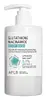 Key Ingredients
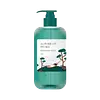
Benefits
Concerns
Ingredients Side-by-side
Water
Skin ConditioningSodium Laureth Sulfate
Cleansing

Centella Asiatica Extract 5.1%
Cleansing





Glycerin
Humectant
Propylene Glycol
Humectant

Cocamide Mea
Emulsifying
Lauramide DEA
Cocamidopropyl Betaine
Cleansing
Glutathione


Niacinamide
Smoothing



Citric Acid
Buffering
Sodium Hyaluronate
Humectant
Caprylic/Capric Triglyceride
Masking
Hydrogenated Lecithin
Emulsifying
Glyceryl Stearate
Emollient
Cholesterol
Emollient
Nelumbo Nucifera Extract
Skin ConditioningArtemisia Annua Extract
MaskingOryza Sativa Extract
Absorbent
Saccharomyces Ferment
Skin Conditioning
Solanum Melongena Fruit Extract
Skin ConditioningMelaleuca Alternifolia Leaf Extract
Perfuming
1,2-Hexanediol
Skin Conditioning
Hydrolyzed Collagen
Emollient
Beta-Glucan
Skin Conditioning
Dipropylene Glycol
HumectantHippophae Rhamnoides Fruit Extract
Skin Conditioning
Butylene Glycol
Humectant
Styrene/Acrylates Copolymer
Xanthan Gum
EmulsifyingMadecassic Acid
Skin Conditioning
Asiaticoside
Antioxidant
Asiatic Acid
Skin Conditioning
Squalane
Emollient
Polyquaternium-10
Disodium EDTA
Sodium Benzoate
Masking
Chlorphenesin
Antimicrobial
Sodium Chloride
MaskingWater, Sodium Laureth Sulfate, Centella Asiatica Extract 5.1%, Glycerin, Propylene Glycol, Cocamide Mea, Lauramide DEA, Cocamidopropyl Betaine, Glutathione, Niacinamide, Citric Acid, Sodium Hyaluronate, Caprylic/Capric Triglyceride, Hydrogenated Lecithin, Glyceryl Stearate, Cholesterol, Nelumbo Nucifera Extract, Artemisia Annua Extract, Oryza Sativa Extract, Saccharomyces Ferment, Solanum Melongena Fruit Extract, Melaleuca Alternifolia Leaf Extract, 1,2-Hexanediol, Hydrolyzed Collagen, Beta-Glucan, Dipropylene Glycol, Hippophae Rhamnoides Fruit Extract, Butylene Glycol, Styrene/Acrylates Copolymer, Xanthan Gum, Madecassic Acid, Asiaticoside, Asiatic Acid, Squalane, Polyquaternium-10, Disodium EDTA, Sodium Benzoate, Chlorphenesin, Sodium Chloride
Water
Skin ConditioningSodium C14-16 Olefin Sulfonate
Cleansing
Pinus Densiflora Leaf Extract
Antimicrobial
Lauryl Betaine
CleansingSodium Chloride
MaskingAllantoin
Skin Conditioning
Betaine
Humectant
Panthenol
Skin Conditioning
Salicylic Acid
Masking
Sodium Hyaluronate
Humectant
Hydrolyzed Hyaluronic Acid
Humectant
Sodium Acetylated Hyaluronate
Humectant
Butylene Glycol
Humectant
Centella Asiatica Extract
Cleansing
Melia Azadirachta Flower Extract
Skin ConditioningMelia Azadirachta Leaf Extract
Skin ConditioningGlycoproteins
Skin Conditioning
Sorbitol
Humectant
Citric Acid
Buffering
Gluconolactone
Skin Conditioning
Asiaticoside
Antioxidant
Asiatic Acid
Skin Conditioning
Madecassic Acid
Skin Conditioning
Madecassoside
Antioxidant
Caprylyl Glycol
Emollient
Citrus Limon Leaf Extract
Perfuming
Citrus Nobilis Oil
Masking
Lavandula Angustifolia Oil
Masking

Eucalyptus Globulus Leaf Oil
Perfuming
Juniperus Mexicana Oil
Masking
Pinus Palustris Oil
Masking
C12-14 Pareth-12
EmulsifyingHexadecene
SolventTetradecene
EmollientTromethamine
Buffering1,2-Hexanediol
Skin Conditioning
Disodium EDTA
Limonene
Perfuming
Water, Sodium C14-16 Olefin Sulfonate, Pinus Densiflora Leaf Extract, Lauryl Betaine, Sodium Chloride, Allantoin, Betaine, Panthenol, Salicylic Acid, Sodium Hyaluronate, Hydrolyzed Hyaluronic Acid, Sodium Acetylated Hyaluronate, Butylene Glycol, Centella Asiatica Extract, Melia Azadirachta Flower Extract, Melia Azadirachta Leaf Extract, Glycoproteins, Sorbitol, Citric Acid, Gluconolactone, Asiaticoside, Asiatic Acid, Madecassic Acid, Madecassoside, Caprylyl Glycol, Citrus Limon Leaf Extract, Citrus Nobilis Oil, Lavandula Angustifolia Oil, Eucalyptus Globulus Leaf Oil, Juniperus Mexicana Oil, Pinus Palustris Oil, C12-14 Pareth-12, Hexadecene, Tetradecene, Tromethamine, 1,2-Hexanediol, Disodium EDTA, Limonene
Reviews
Ingredients Explained
These ingredients are found in both products.
Ingredients higher up in an ingredient list are typically present in a larger amount.
1,2-Hexanediol is a synthetic liquid and another multi-functional powerhouse.
It is a:
- Humectant, drawing moisture into the skin
- Emollient, helping to soften skin
- Solvent, dispersing and stabilizing formulas
- Preservative booster, enhancing the antimicrobial activity of other preservatives
Asiatic Acid is a major component of Centella Asiatica Extract. It has wound-healing, anti-inflammatory, and antioxidant properties.
Studies show Asiatic Acid is able to block the pathway for skin inflammation receptors, helping to soothe skin.
As an antioxidant, asiatic acid helps protect our skin against damaging environmental factors.
Learn more about Asiatic AcidAsiaticoside comes from the super popular skin-soothing ingredient, Centella asiatica. It's the reason centella-based products have a strong reputation for repairing and calming skin, along with its sibling compound Madecassoside.
Research from 2016-2025 supports its role in:
You'll usually find this in concentrations between 0.2-5%.
Learn more about AsiaticosideButylene Glycol (or BG) is used within cosmetic products for a few different reasons:
Overall, Butylene Glycol is a safe and well-rounded ingredient that works well with other ingredients.
Though this ingredient works well with most skin types, some people with sensitive skin may experience a reaction such as allergic rashes, closed comedones, or itchiness.
Learn more about Butylene GlycolCentella Asiatica Extract (Centella) is derived from an herb native to Southeast Asia. It is famous for its anti-inflammatory and soothing properties.
Centella is rich in antioxidants and amino acids, such as Madecassic Acid and Asiaticoside.
Studies show the compounds in centella help with:
The combination of all these properties makes centella effective at soothing, hydrating, and protecting the skin.
Other great components of centella include Vitamin A, vitamin C, several B vitamins, and Asiatic Acid.
Fun fact: Centella has been used as a medicine and in food for many centuries. As a medicine, it is used to treat burns, scratches, and wounds.
Learn more about Centella Asiatica ExtractCitric Acid is an alpha hydroxy acid (AHA) naturally found in citrus fruits like oranges, lemons, and limes.
Like other AHAs, citric acid can exfoliate skin by breaking down the bonds that hold dead skin cells together. This helps reveal smoother and brighter skin underneath.
However, this exfoliating effect only happens at high concentrations (20%) which can be hard to find in cosmetic products.
Due to this, citric acid is usually included in small amounts as a pH adjuster. This helps keep products slightly more acidic and compatible with skin's natural pH.
In skincare formulas, citric acid can:
While it can provide some skin benefits, research shows lactic acid and glycolic acid are generally more effective and less irritating exfoliants.
Most citric acid used in skincare today is made by fermenting sugars (usually from molasses). This synthetic version is identical to the natural citrus form but easier to stabilize and use in formulations.
Read more about some other popular AHA's here:
Learn more about Citric AcidDisodium EDTA is a chelating agent. It grabs onto and deactivates metal ions that sneak into your products from water, packaging, or air.
This ingredient mainly works behind the scenes and helps with:
On top of that, this ingredient can counteract the effects of hard water by binding to the minerals in it.
One thing worth knowing is that Disodium EDTA has been shown to be a mild penetration enhancer. It can help other ingredients absorb into skin more effectively which can be a double-edged sword (great for actives, but can also make the active too strong if you have sensitive skin).
Clinical patch testing showed no significant skin irritation at typical use concentrations and minimal dermal absorption.
You'll most likely see this ingredient near the end of an ingredient list. It's typically found in concentrations less than 1%.
Learn more about Disodium EDTAMadecassic Acid is a major component of Centella Asiatica Extract. It has anti-inflammatory and antioxidant properties.
It is a triterpenoid, meaning it naturally acts as an antioxidant. Antioxidants protect your skin against damage from environmental factors such as pollution and UV.
Studies show Madecassic Acid helps soothe the skin due to its ability to block inflammation pathways.
Learn more about Madecassic AcidChances are, you eat sodium chloride every day. Sodium Chloride is also known as table salt. This ingredient has many purposes in skincare: thickener, emulsifier, and exfoliator.
You'll most likely find this ingredient in cleansers where it is used to create a gel-like texture. As an emulsifier, it also prevents ingredients from separating.
You might see people debate whether Sodium Chloride is comedogenic, but there actually haven't been any comedogenic tests done on it. Either way, the overall formulation of a product matters a lot more than any single ingredient.
You might see this ingredient used in scrubs as a primary exfoliating ingredient.
Learn more about Sodium ChlorideSodium Hyaluronate is the salt form of hyaluronic acid. It is a long sugar chain that is naturally found in your skin, joints, and connective tissue that maintains hydration and elasticity.
In skincare, it works as a humectant. It pulls water from the environment and deeper layers of skin and binds it to the surface.
Interestingly, the size of the molecule affects its behavior:
Some clinical evidence links low molecular weight versions to improved wrinkle depth, elasticity, anti-inflammatory effects, and barrier repair.
Many serums use a blend of both weights so you can get surface hydration plus longer-lasting and deeper effects.
You'll typically see concentrations between 0.1-2% for this ingredient.
Learn more about Sodium HyaluronateWater. It's the most common cosmetic ingredient of all. You'll usually see it at the top of ingredient lists, meaning that it makes up the largest part of the product.
So why is it so popular? Water most often acts as a solvent - this means that it helps dissolve other ingredients into the formulation.
You'll also recognize water as that liquid we all need to stay alive. If you see this, drink a glass of water. Remember to stay hydrated!
Learn more about Water
